Jaguar
The jaguar (Panthera onca) is native to the Western Hemisphere, with a range extending from northern Mexico down to northern Argentina. While they were once…
Where are jaguars found in the wild, and what types of habitats do they prefer?
The jaguar (Panthera onca) is native to the Western Hemisphere, with a range extending from northern Mexico down to northern Argentina. While they were once found as far north as the Grand Canyon, their current population is largely restricted to remote areas of Central and South America, with the vast majority residing in the Amazon rainforest.1
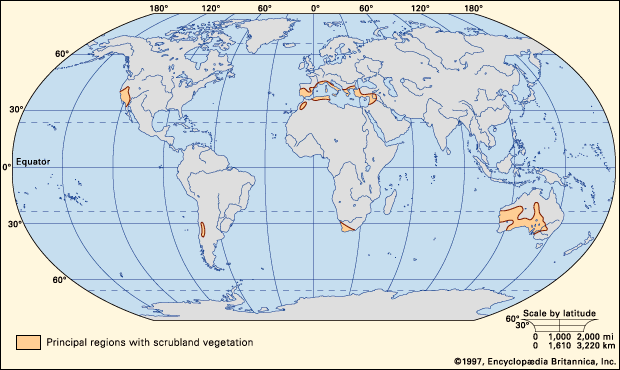
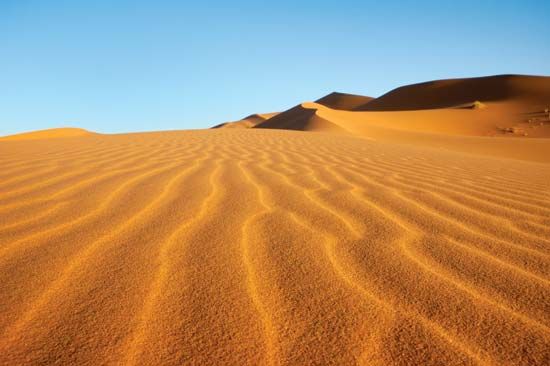
Jaguars are adaptable predators that occupy a variety of habitats. They show a strong preference for swamps and wooded regions, but they are also known to inhabit scrublands and deserts. Because they are excellent swimmers and climbers, their choice of environment often supports their semi-aquatic tendencies and hunting behaviors.1
Unfortunately, habitat loss, fragmentation, and human-wildlife conflict have significantly reduced their numbers, leading the International Union for Conservation of Nature to classify the species as near threatened1.
How do jaguars hunt and what are their primary prey animals?
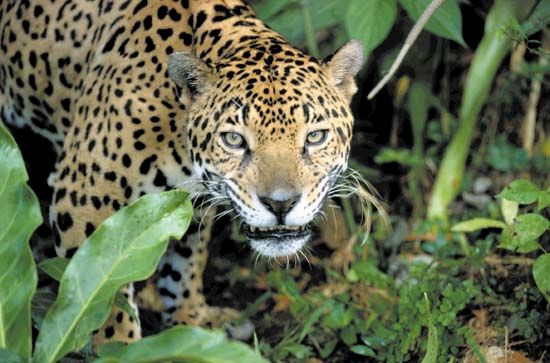
Jaguars are solitary, highly skilled predators that utilize a stalk-and-ambush hunting strategy. Their name is derived from the Tupí-Guaraní word yaguar, which translates to “he who kills with one leap,” reflecting their swift and agile nature when securing prey. While they are capable of being active during the day, they primarily hunt on the ground at night.1
Their diet is diverse, consisting of a wide variety of animals. Their preferred prey includes:
In regions where natural habitats have been converted into agricultural land, jaguars may also occasionally prey upon livestock, such as cattle, horses, and dogs.12
What is the significance of the jaguar in various cultures and mythologies?
The jaguar has held a profound place in the symbolic and religious life of Middle American civilizations for millennia, representing both the raw power of nature and the authority of human society.
Symbolic Significance in Middle American Cultures
In the Olmec culture, the jaguar was a central icon, frequently depicted in art through carved jade, pottery, and human likenesses featuring jaguar-like mouths. This symbolism associated the animal with Tlaloc, the god of rain and fertility. Because Tlaloc was believed to dwell in caves—which were viewed as the origins of towns and settlements—the jaguar became a dual symbol representing both the untamed forces of nature that ensure crop growth and the structured control of society.1
Mythological Roles
The jaguar’s influence extended deep into the mythology of later civilizations:
- Aztec Pantheon: The god Tezcatlipoca utilized the jaguar as his nagual, or animal disguise. His spotted skin was often compared to the starry night sky. Furthermore, Tezcatlipoca ruled over the “Jaguar-Sun,” the first of four mythological worlds that existed before the current universe.3
- Maya-Quiché: In Guatemala, the post-Classic Maya-Quiché people revered the deity as a lightning god known as Hurakan, meaning “One Foot,” reflecting the god’s representation with an obsidian mirror in place of a foot.3
As societies shifted toward more militaristic structures, the prominence of jaguar iconography eventually gave way to the “eagle complex” in the art and religious life of the Toltec and Aztec empires.1
What is a jaguar?
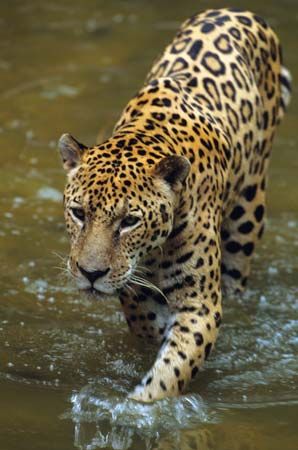
The jaguar (Panthera onca) is the largest member of the cat family in the Western Hemisphere and the only “roaring” cat native to the Americas. Often compared to the leopard, the jaguar is stockier and larger, typically featuring an orange-to-tan coat marked with black rosettes that contain a distinct central spot.21
Jaguars are solitary, agile predators that thrive in diverse habitats, including swamps, scrublands, and deserts, with the largest remaining population residing in the Amazon rainforest. While they were once found as far north as the Grand Canyon, their range has been significantly reduced due to habitat loss and human conflict. Consequently, the International Union for Conservation of Nature and Natural Resources has classified the species as near threatened.2
Sources
- jaguar — Encyclopædia Britannica
- Did you know? — Merriam-Webster
- Tezcatlipoca — Encyclopædia Britannica
- Middle American Indian - The prehistoric period — Encyclopædia Britannica
Published on · 3 min read