Why Are the Babies of Mammals Cute?
The perception of cuteness in young mammals is an evolutionary adaptation designed to ensure survival. Because these offspring are often helpless and require…
Why Are the Babies of Mammals Cute?
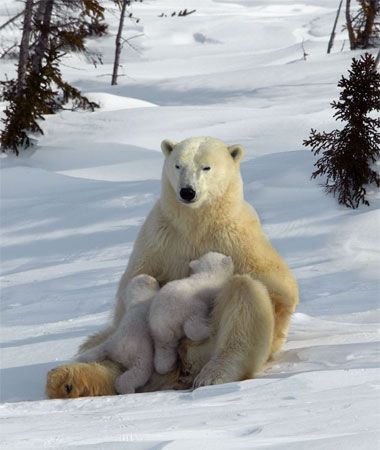
The perception of cuteness in young mammals is an evolutionary adaptation designed to ensure survival. Because these offspring are often helpless and require significant parental care, their physical traits act as a biological trigger for nurturing behavior.1
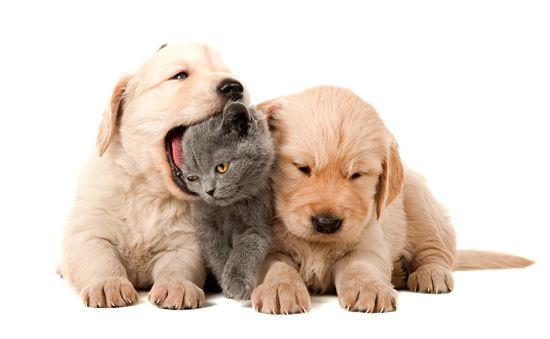
Austrian zoologist Konrad Lorenz coined the term Kindchenschema (“baby schema”) to describe this phenomenon. These traits include a large head, large eyes, and a small mouth relative to the body. These proportions serve as a signal that prompts adults to provide the sustenance and protection necessary for the young to reach maturity.1
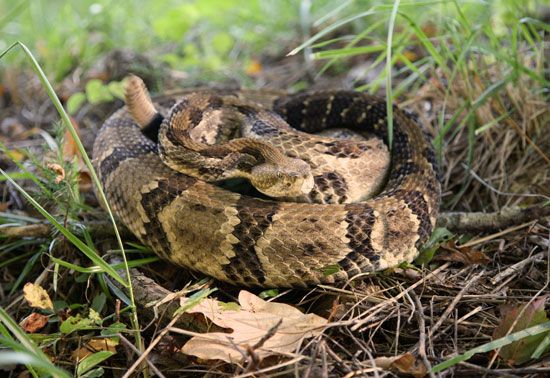
This instinct is so powerful that it often extends to the young of other species that share similar proportions, such as pets or animals in zoos. Conversely, animals that are independent from birth or hatching—such as many insects or snakes—do not typically exhibit these “cute” features, as they do not rely on the same level of parental adaptation to survive.1
Who was Konrad Lorenz and what was his work?
Konrad Lorenz (1903–1989) was an Austrian zoologist and the founder of modern ethology, the study of animal behaviour. In 1973, he shared the Nobel Prize for Physiology or Medicine with Karl von Frisch and Nikolaas Tinbergen for their discoveries regarding animal behavioral patterns.2
His work focused on how behavioral patterns evolve and their adaptive value for species survival. Key contributions include:
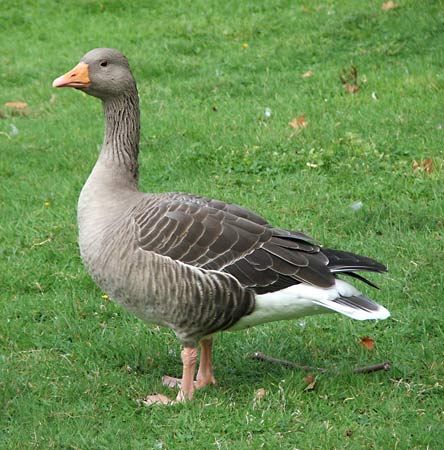
- Imprinting: In 1935, he described imprinting, a process where young birds, such as greylag geese and ducklings, learn to follow their parents during a critical stage after hatching.2
- Instinctive Behavior: He investigated the nature of instinctive acts and how different drives are harmonized into action sequences.2
- Human Aggression: Later in his career, he applied his theories to human behavior, notably in his book On Aggression, where he argued that human warlike tendencies have an inborn basis but can be modified through social ritualization.2
How does the baby schema affect human behavior?
The “baby schema,” or Kindchenschema, acts as a powerful biological trigger that influences human behavior by fostering an instinct to nurture and protect. Because human infants are born helpless and require extensive care to survive, these specific physical traits—such as a large head, large eyes, and a small mouth—serve as evolutionary signals that elicit affection and caretaking responses from adults.1
This behavioral response is not limited to human infants; it often extends to the young of other mammals that share similar proportions, such as pets or animals observed in zoos. By perceiving these features as “cute,” humans are psychologically prompted to provide the resources and protection necessary for the young to reach maturity, which serves as a vital adaptation for the long-term survival of the species. Conversely, animals that are independent from birth and lack these specific proportions—such as many insects or snakes—typically do not trigger the same nurturing instincts in humans.1
Why do some animals not look cute as babies?
The perception of “cuteness” is an evolutionary adaptation linked to the baby schema, or Kindchenschema, which triggers a nurturing instinct in humans toward helpless young. Animals that do not appear “cute” as babies often lack these specific physical traits—such as a large head, large eyes, and a small mouth—because they do not rely on the same parental care strategies for survival.1
In many species, particularly those that are independent from birth or hatching, the young possess body proportions nearly identical to their adult forms. Because these animals are equipped to survive on their own without extensive protection or sustenance from a parent, there is no evolutionary pressure for them to develop features that elicit caretaking behavior in other species. This is commonly observed in insects, snakes, and certain types of birds, whose “tougher-looking” appearances reflect their functional independence rather than a need for external nurturing.1
Sources
- Why Are the Babies of Mammals Cute? — Encyclopædia Britannica
- Konrad Lorenz — Encyclopædia Britannica
- Animal development - Postembryonic development — Encyclopædia Britannica
Published on · 3 min read