What Is a Platypus’s Closest Living Relative?
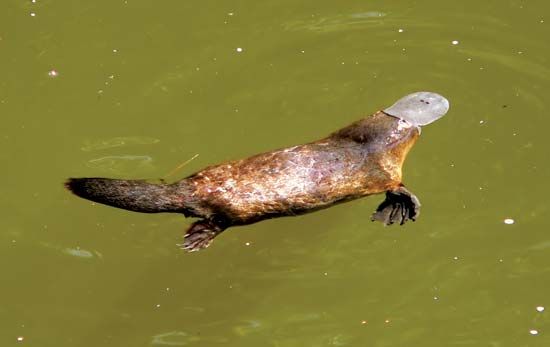
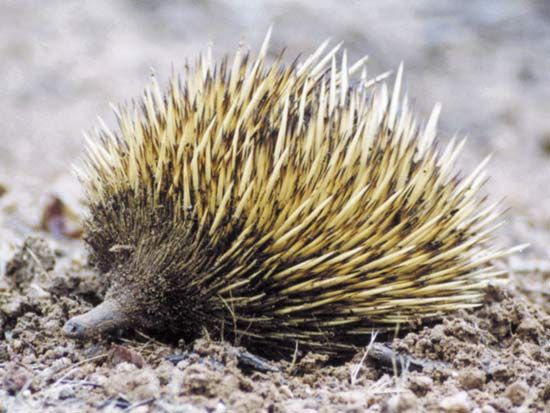
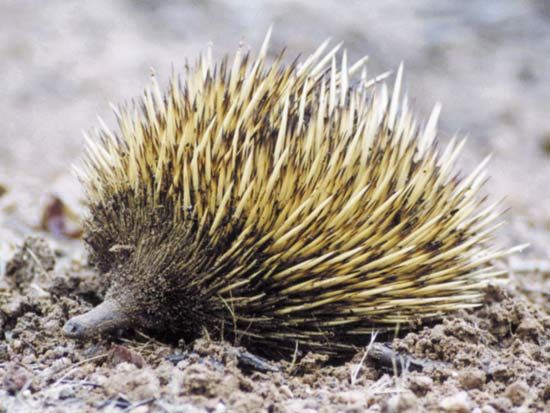
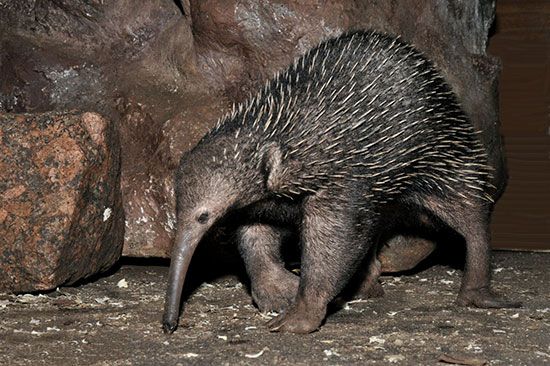
The closest living relatives of the platypus are the echidnas, also known as spiny anteaters. Together, these animals comprise the order Monotremata, an…
What is a platypus’s closest living relative?
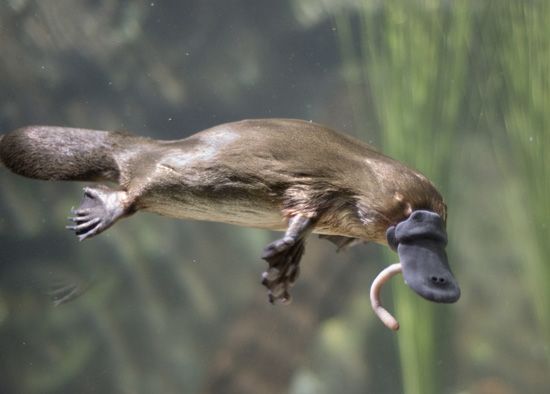
The closest living relatives of the platypus are the echidnas, also known as spiny anteaters. Together, these animals comprise the order Monotremata, an ancient group of mammals distinguished by their ability to lay eggs (oviparity).12
While they share this unique reproductive trait and possess electroreceptors to detect electrical signals, the two groups have evolved to occupy distinct ecological niches. The platypus is a semiaquatic carnivore-insectivore native to the waterways of Australia and Tasmania, whereas echidnas are land-dwelling insectivores found across Australia, Tasmania, and New Guinea1.2
The evolutionary history of monotremes is complex; they exhibit a mix of primitive skeletal features and specialized characteristics, a phenomenon known as mosaic evolution. While their exact relationship to other mammalian groups remains a subject of scientific study, they represent the most ancient living order of mammals.2
What are the main differences between monotremes, marsupials, and placental mammals?
The primary distinction between monotremes, marsupials, and placental mammals lies in their reproductive strategies.3
Reproductive Differences
- Monotremes: These are the only mammals that lay shelled eggs. Despite this, their ovarian cycle is similar to other mammals, and they nourish their young with milk after hatching.43
- Marsupials: These mammals give birth to relatively undeveloped young. After a short period of intrauterine development, the young migrate to the mother’s body to attach to teats for further growth, often within a pouch called a marsupium.43
- Placental Mammals: These mammals are viviparous, meaning they bear live young. They possess a placenta that facilitates the exchange of nutrients and waste between the mother and the fetus, allowing the young to reach a more advanced stage of development before birth.43
While these groups differ in how they bring their young into the world, all mammals share defining characteristics, including the presence of mammary glands, the possession of hair, and a unique jaw structure.3
How do monotremes use electroreception to find food?
Monotremes, which include the platypus and echidnas, utilize a sophisticated electromechanical system to locate food in their environments.67
How Electroreception Works in Monotremes
- Sensory Organs: In monotremes, electroreception is derived from modified mucous glands located on the bill or snout. These glands feature low-resistance canals that conduct electrical signals from the environment directly to bare nerve endings of the trigeminal nerve.8
- Detection of Prey: These animals use their electroreceptors to sense minute electrical signals produced by the muscles of their prey. This allows them to detect invertebrates and other food sources even when they are hidden or buried.678
- Navigation and Foraging: For the platypus, which is semiaquatic, this system is essential for navigation and foraging while submerged. Because its senses of sight, smell, and hearing are effectively shut down underwater, the platypus relies on its electroreceptors to “see” its surroundings and hunt for bottom-dwelling prey. Similarly, echidnas use their electroreceptors to probe the ground and leaf litter for food.67
This sensory ability provides a significant advantage, allowing these unique mammals to thrive in their respective ecological niches.86
What does the term ‘mosaic evolution’ mean in the context of monotremes?
In the context of monotremes, the term mosaic evolution refers to the puzzling combination of primitive, ancestral features and highly specialized, advanced characteristics found within the order Monotremata.10
Understanding Mosaic Evolution
Mosaic evolution is a general biological phenomenon where different body structures and functions within a population evolve at different rates. In the transition from ancestral forms to modern mammals, various traits—such as skeletal structure, reproductive methods, and internal organ systems—did not all change simultaneously.112
For monotremes, this pattern creates significant challenges for scientists attempting to determine their evolutionary relationships:10
- Primitive Retentions: Monotremes possess archaic skeletal features, such as specific characteristics of the shoulder girdle and skull, that have been lost in other living mammals. Their status as egg-laying (oviparous) animals is another primitive trait that distinguishes them from marsupials and placental mammals.10
- Specialized Adaptations: Conversely, monotremes are highly modified for their specific ecological niches, such as the platypus being a specialized semiaquatic carnivore and echidnas having unique dietary adaptations. Genetic data also suggests a closer relationship to more advanced mammals than their primitive skeletal features might otherwise imply.10
Because they exhibit this “mosaic” of traits, it is difficult to determine whether their primitive features reflect an ancient origin far removed from other mammals or if they represent a unique evolutionary path that retained these traits while diverging from a common ancestor.10
Sources
- What is a platypus’s closest living relative? — Encyclopædia Britannica
- monotreme — Encyclopædia Britannica
- mammal - Estrus and other cycles — Encyclopædia Britannica
- mammal — Encyclopædia Britannica
- mammal - Classification — Encyclopædia Britannica
- Animal communication - Signal reception — Encyclopædia Britannica
- Electroreception — Encyclopædia Britannica
- platypus — Encyclopædia Britannica
- echidna — Encyclopædia Britannica
- mosaic evolution — Encyclopædia Britannica
- mammal - The evolution of the mammalian condition — Encyclopædia Britannica
- reptile — Encyclopædia Britannica
- monotreme — Merriam-Webster
Published on · 3 min read