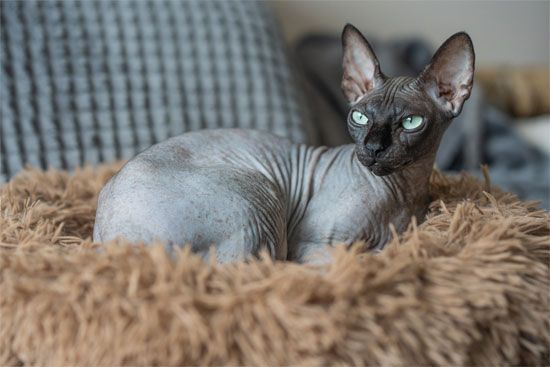
Why Do Sphynx Cats Appear Hairless?
Sphynx cats appear hairless due to a natural genetic mutation that disrupts the development of hair follicles. While often described as hairless, these cats…
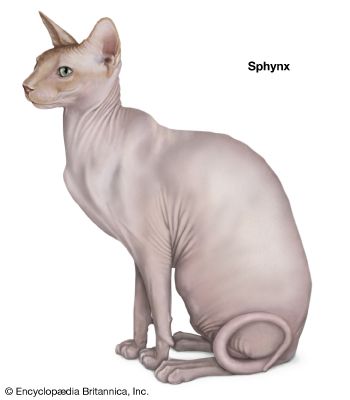
Why do Sphynx cats appear hairless?
Sphynx cats appear hairless due to a natural genetic mutation that disrupts the development of hair follicles1. While often described as hairless, these cats are rarely completely devoid of fur; they typically possess a layer of fine, downy hair.1
This trait was stabilized through selective breeding, which involved crossing the cats with domestic shorthaired breeds and using backcrossing to reinforce the mutation. The modern breed originated from spontaneous mutations observed in Canada and Minnesota during the 1970s.12
Because they lack a coat to absorb natural skin oils, Sphynx cats require regular maintenance. Owners must bathe them and clean their ears frequently to prevent the buildup of sebaceous secretions, which can otherwise lead to skin irritation, infections, or staining.23
How does selective breeding change a species over time?
Selective breeding, also known as artificial selection, modifies a species by human-controlled mating of individuals that possess specific, desirable traits. By consistently selecting these individuals to reproduce, breeders increase the frequency of those traits within a population over generations.456
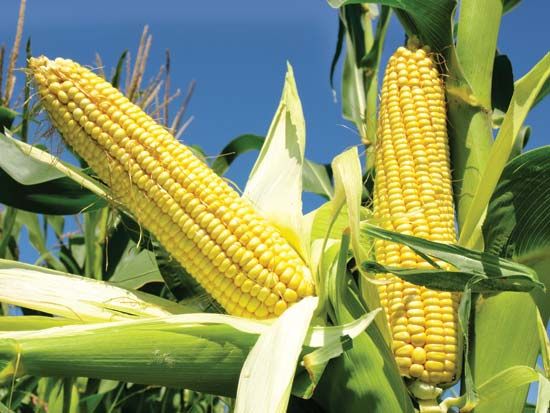
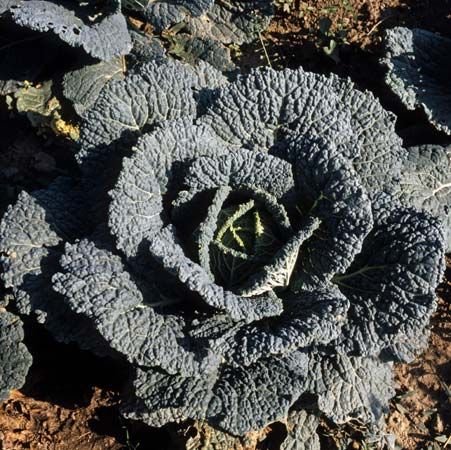
This process alters the genetic makeup of a species by isolating and propagating specific genotypes. Because evolution is fundamentally driven by shifts in gene frequency, selective breeding acts as a powerful evolutionary force. Over time, these changes can be profound; for instance, selective breeding has transformed wild teosinte into modern corn and wild mustard into diverse vegetables like broccoli and cauliflower.65
However, intense selection can also have negative consequences, such as reducing genetic diversity and increasing the prevalence of inherited diseases. By breaking down the stabilized systems that ensure a species’ natural resilience, artificial selection creates new possibilities that might not survive in the wild.67
What are some other cat breeds that have unique physical traits?
Many cat breeds exhibit unique physical traits that have been established through selective breeding or spontaneous genetic mutations. Here are several examples:
- Scottish Fold: This breed is distinguished by ears that fold forward and down, a trait resulting from a genetic mutation.910
- Manx: Known for being tailless or having only a short stump, this breed possesses a mutation affecting the spine.1112
- Japanese Bobtail: This breed features a unique, pom-pom-like tail, which is also the result of a genetic mutation.1112
- Cornish Rex and Devon Rex: These breeds are recognized for their distinctively curly coats, with the Devon Rex often nicknamed the “poodle cat” for its unique texture.1311
- American Wirehair: This rare breed is characterized by a coat that is notably curly or wiry.1311
- Bengal: Bred to resemble wildcats, this breed features a spotted coat and hind legs that are shorter than its forelegs.1311
- Ragdoll: This breed is known for its tendency to relax its muscles completely when picked up, mimicking a floppy rag doll.14
Why do cats need to produce skin oils if they don’t have fur?
It is a common misconception that hairless cats produce skin oils specifically because they lack fur; in reality, all cats produce sebaceous secretions as a natural biological function of their skin.
In cats with fur, the coat serves to distribute and absorb these oils across the body. Hairless breeds, such as the Sphynx, possess the same sebaceous glands as other cats but lack the hair necessary to manage these secretions. Because the oils have nowhere to go, they accumulate on the skin’s surface. If left unmanaged, this buildup can lead to various skin issues, including irritation, acne, rashes, and infections, while also causing the cat to feel sticky or stain household items.23
Consequently, hairless cats require regular maintenance, such as weekly baths and daily wipe-downs, to keep their skin healthy and free of excess oil.23
Sources
- Why do Sphynx cats appear hairless? — Encyclopædia Britannica
- sphynx cat — Encyclopædia Britannica
- cats as pets - Hairless cats — Encyclopædia Britannica
- selective breeding — Merriam-Webster
- selective breeding — Encyclopædia Britannica
- selection — Encyclopædia Britannica
- Domestication - Biological and genetic changes — Encyclopædia Britannica
- Animal breeding - Accuracy of selection — Encyclopædia Britannica
- Scottish fold cat — Encyclopædia Britannica
- Abyssinian — Encyclopædia Britannica
- longhair — Encyclopædia Britannica
- Shorthair Cat Breeds — Encyclopædia Britannica
- Scottish fold — Merriam-Webster
- cat - Tail — Encyclopædia Britannica
- cat - Skin and hair — Encyclopædia Britannica
Published on · 3 min read