Why Do Cats Sleep So Much?
Cats sleep an average of 15 hours a day, with some reaching up to 20 hours, because they are biologically hardwired as predators. In the wild, the intense…
Why Do Cats Sleep So Much?
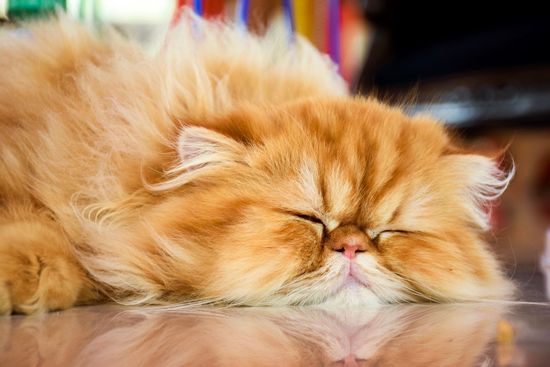
Cats sleep an average of 15 hours a day, with some reaching up to 20 hours, because they are biologically hardwired as predators. In the wild, the intense physical effort required to stalk and pounce on rodents and birds necessitates significant energy recharging.1
Furthermore, cats are crepuscular, meaning they are most active during the twilight hours of dawn and dusk. Their sleep patterns consist of two types:1
- Slow-wave sleep (SWS): Making up about three-fourths of their rest, this is a shallow, “ready” state where their senses remain alert, allowing them to react instantly.1
- Deep sleep: Occurring about one-fourth of the time, this includes REM sleep, during which they may dream.1
For domestic cats, this behavior is driven by heredity—they follow the same internal clock as their wild ancestors—though they may also sleep simply due to boredom.1
What does it mean for an animal to be crepuscular?
An animal that is crepuscular is one that is primarily active during twilight, which refers to the periods of dim light at dawn and dusk. The term is derived from the Latin word crepusculum, meaning “twilight,” and it describes a specific behavioral pattern distinct from being strictly nocturnal (active at night) or diurnal (active during the day).2
Many species exhibit this behavior as an adaptation to their environment, often to avoid predators or to optimize foraging conditions. While some animals, such as certain bats, are primarily nocturnal, their activity cycles are often synchronized by their exposure to light at these specific transition times of day.23
Do cats dream like humans do?
It is highly probable that cats dream, much like humans do. Research indicates that many animals, including cats, experience REM (Rapid Eye Movement) sleep, a phase characterized by increased brain activity and vivid dreaming.5
During this deep sleep phase, which accounts for about one-fourth of a cat’s total rest, their brain wave patterns resemble those of an awake individual. When you observe a sleeping cat with twitching paws or whiskers, it is likely that they are experiencing a dream1. While scientists cannot definitively confirm the content or purpose of these dreams, the presence of REM sleep across various mammals suggests that dreaming is a widespread phenomenon in the animal kingdom, potentially serving to process memories or experiences.51
How does a cat’s hunting style influence its energy levels?
A cat’s hunting style is a primary driver of its energy levels and sleep patterns. As natural predators, cats rely on a strategy of stalking and pouncing to capture quick, elusive prey. This method of hunting is physically demanding and requires significant bursts of energy, necessitating long periods of rest to recharge.1
Because cats are crepuscular, they are biologically hardwired to be most active during the twilight hours of dawn and dusk when their prey is also active. During the remainder of the day, they conserve energy through extensive sleep, which averages about 15 hours daily. This rest is often divided into shallow, “ready-state” slow-wave sleep, where they remain poised to react instantly, and deeper REM sleep for recovery. Even for domestic cats that do not hunt for survival, this internal clock remains, leading them to prioritize rest to maintain their readiness for activity.16
Sources
- Why Do Cats Sleep So Much? — Encyclopædia Britannica
- crepuscular — Merriam-Webster
- crepuscular — Merriam-Webster
- bat - Activity patterns — Encyclopædia Britannica
- Do animals dream? — Encyclopædia Britannica
- Why do cats have slit pupils? — Encyclopædia Britannica
- cat - Sight and “glowing eyes” — Encyclopædia Britannica
- Encyclopædia Britannica First Edition: Cats — Encyclopædia Britannica
Published on · 2 min read