Why Do Cats Have Slit Pupils?
Cats possess vertical slit pupils primarily as an adaptation to their crepuscular nature, meaning they are most active during dawn and dusk. This unique…
Why do cats have slit pupils?
Cats possess vertical slit pupils primarily as an adaptation to their crepuscular nature, meaning they are most active during dawn and dusk. This unique shape provides superior control over the amount of light entering the eye compared to round pupils.1
In low-light conditions, these pupils can expand significantly to maximize light intake, which is essential for effective night vision. Conversely, in bright daylight, the slit can constrict to a very narrow opening, protecting the sensitive retina from overexposure while maintaining visual clarity.1
Beyond light regulation, the vertical orientation of the slit enhances depth perception. By creating sharp, vertical outlines of objects, this pupil shape allows cats to judge distances with high precision—a critical skill for stalking and ambushing prey. While other animals, such as certain reptiles, also exhibit slit pupils, the specific functional advantages for cats are deeply tied to their predatory lifestyle and environmental needs.12
Do all cat species have vertical slit pupils?
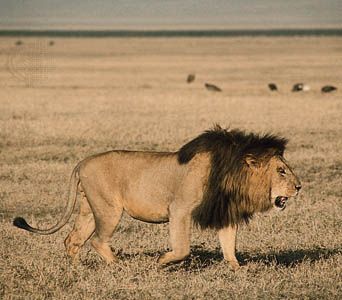
Not all cat species have vertical slit pupils. While many smaller felines exhibit this trait, larger cat species—specifically those in the genus Panthera, such as lions, tigers, leopards, and jaguars—have round pupils.
The difference in pupil shape is largely related to the size of the animal and its specific ecological niche. Research suggests that smaller predators, which are closer to the ground, benefit more from the vertical slit’s ability to provide precise depth perception and light control for ambush hunting. In contrast, larger cats, which are often apex predators with different hunting strategies and eye heights, typically possess round pupils.
How does pupil shape differ between predators and prey?
Pupil shape is a key evolutionary adaptation that reflects an animal’s ecological niche, specifically whether it is a predator or prey.
Predators and Ambush Hunters
Predators, such as felines, often possess vertical slit pupils. This shape allows for precise control over light intake, enabling them to constrict their pupils tightly in bright daylight to protect the retina while opening them wide in low-light conditions for superior night vision. Furthermore, the vertical orientation assists in binocular triangulation, which is essential for accurately judging distances when stalking or ambushing prey.13
Prey Species
In contrast, many herbivorous prey species, such as goats, have evolved horizontal pupils. This configuration provides a panoramic field of view, allowing these animals to scan their surroundings for predators while simultaneously identifying escape routes.4
Eye Placement and Function
Beyond pupil shape, the placement of eyes also differs:
- Predators: Typically have forward-pointing eyes to facilitate depth perception.3
- Prey: Often have eyes positioned on the sides of the head to provide near-complete coverage of their environment, helping them detect threats from almost any direction.3
What are some other unique adaptations for night vision in animals?
Animals have evolved several sophisticated adaptations to navigate and hunt in low-light environments. Beyond pupil shape, these mechanisms allow for enhanced sensitivity to dim light:
- Tapetum Lucidum: Many nocturnal vertebrates possess this mirrorlike layer of tissue behind the retina. It reflects light that passes through the retina back across the photoreceptors, giving the eye a “second chance” to absorb light and significantly improving night vision. This structure is responsible for the characteristic “eyeshine” seen in animals like cats and deer.156
- Rod Photoreceptors: Nocturnal animals often have a high density of rod cells in their retinas. These cells are highly sensitive to low levels of light and are essential for vision at night and during twilight, even if they do not contribute to color perception.56
- Superposition Eyes: Found in some invertebrates, such as moths, these eyes are optically adapted to be significantly more sensitive to light than the apposition eyes found in many diurnal insects.7
- Signal Transduction Adjustments: Vertebrates can manage varying light intensities through adjustments in the signal transduction process within photoreceptors and by varying the availability of active photopigment molecules.7
Sources
- Why do cats have slit pupils? — Encyclopædia Britannica
- reptile - Sight — Encyclopædia Britannica
- Goat: Top Questions — Encyclopædia Britannica
- Photoreception - Diversity of eyes — Encyclopædia Britannica
- coloration - Visual functions — Encyclopædia Britannica
- Senses - Light senses — Encyclopædia Britannica
- cat - Sight and “glowing eyes” — Encyclopædia Britannica
- Photoreception - Adaptive mechanisms of vision — Encyclopædia Britannica
- coyote: Top Questions — Encyclopædia Britannica
- Are deer colorblind? — Encyclopædia Britannica
Published on · 3 min read