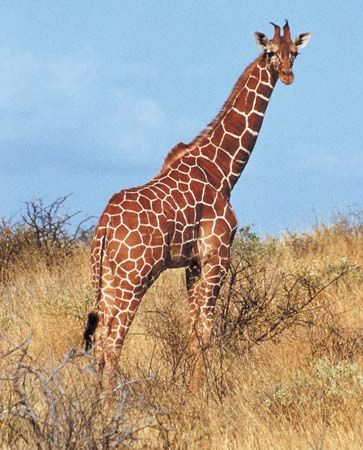
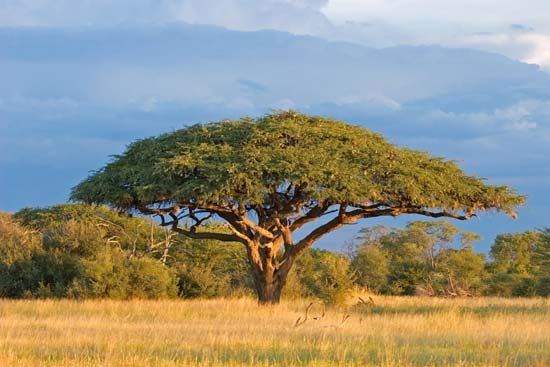
Why Do Giraffes Have Long Necks?
The long neck of a giraffe is a primary example of adaptation. While early theories like those of Jean-Baptiste Lamarck suggested that giraffes stretched…
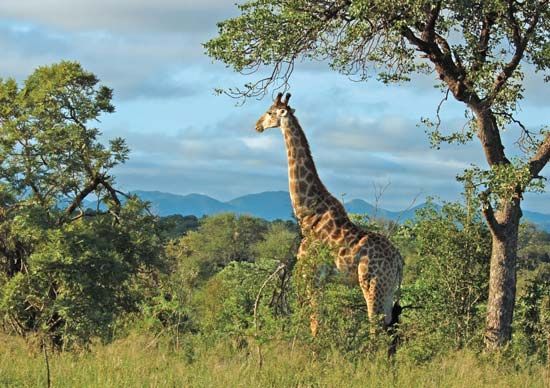
Why do giraffes have long necks?
The long neck of a giraffe is a primary example of adaptation. While early theories like those of Jean-Baptiste Lamarck suggested that giraffes stretched their necks during their lifetimes and passed that trait to offspring, modern biology attributes this feature to natural selection. Ancestral giraffes with longer necks had a survival advantage, allowing them to pass the trait to future generations.1
The neck serves two main purposes:
- Foraging: Giraffes use their height to reach foliage up to six meters high, particularly on acacia trees. This provides access to food sources unavailable to other herbivores, reducing competition.12
- Social Behavior: Long necks are used in “necking” contests between males to establish dominance and mating rights. Some scientists suggest sexual selection may have been a primary driver for the evolution of this trait.1
What is the difference between natural selection and sexual selection?
Natural selection and sexual selection are both evolutionary processes that influence the genetic makeup of populations, but they operate through different mechanisms.34
Natural Selection
Natural selection is the process by which organisms better adapted to their environment tend to survive and produce more offspring. It acts on variations in an organism’s genotype that affect its ability to survive, develop, and reproduce. By preserving beneficial traits that help an organism navigate physical and biological conditions—such as finding food or avoiding predators—natural selection enhances the overall fitness of a group within its environment.356
Sexual Selection
Proposed by Charles Darwin to explain traits that seem to decrease survival, sexual selection is a special form of natural selection that focuses specifically on competition for mates. It occurs through two primary avenues:34
- Mate Choice: One sex (often females) shows a preference for individuals of the opposite sex that exhibit specific, attractive traits.45
- Intrasexual Competition: Individuals (usually males) compete with members of the same sex for access to mates, often leading to increased size, strength, or aggression.4
While natural selection favors traits that improve survival, sexual selection can favor conspicuous or cumbersome features—like a peacock’s tail—if they provide a significant advantage in securing a mate.34
How do giraffes drink water with such long necks?
To drink water, giraffes must spread their forelegs apart to lower their heads to the ground, as their long necks and legs make reaching the surface difficult. While they obtain most of their necessary hydration from the food they consume, they do drink water at least every three days during the dry season.27
This physical maneuver is supported by the giraffe’s specialized cardiovascular system. When the animal lowers its head, special vessels at the base of the brain help regulate blood pressure to counteract the effects of gravity8. Conversely, when the head is raised, thick-walled arteries in the neck utilize extra valves to maintain proper circulation.7
What are some other unique adaptations of giraffes?
Beyond their iconic long necks and legs, giraffes possess several remarkable adaptations that allow them to thrive in their environments:
- Feeding Specializations: Giraffes have prehensile lips and tongues, which can reach nearly half a meter in length. These are coated in tough tissue, allowing them to navigate thorny acacia branches and “comb” leaves from stems without injury.72
- Vigilance and Social Behavior: Their height provides a superior vantage point for spotting predators from a distance. They are gregarious animals, and their excellent eyesight allows them to communicate danger; if one giraffe stares at a threat, others in the group immediately follow its lead.2
- Defensive Capabilities: When threatened by predators like lions or hyenas, mothers can stand over their calves and deliver powerful kicks with both their front and back legs.2
- Social Hierarchy: Males engage in “necking” bouts to establish dominance. Over time, these clashes lead to the accumulation of bone deposits on the skull, resulting in heavy, knobbed structures that serve as effective weapons during competition.2
Sources
- Why do giraffes have long necks? — Encyclopædia Britannica
- What do giraffes eat? — Encyclopædia Britannica
- natural selection — Encyclopædia Britannica
- sexual selection — Encyclopædia Britannica
- selection — Encyclopædia Britannica
- Sex - Reproduction and evolution — Encyclopædia Britannica
- How tall are giraffes? — Encyclopædia Britannica
- giraffe — Encyclopædia Britannica
Published on · 3 min read