Why Do Horses Wear Blinders?
Horses wear blinders, also known as blinkers, to restrict their peripheral vision and help them focus on what is directly ahead. Because horses have a…
Why do horses wear blinders?
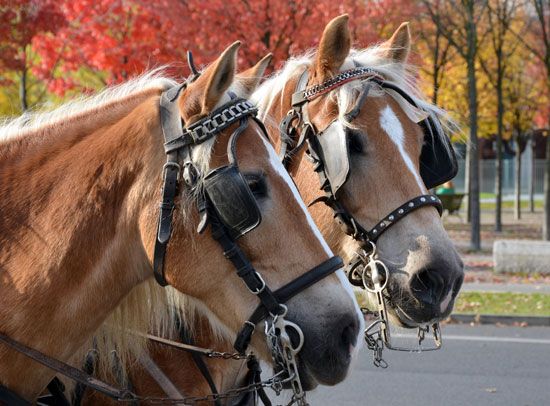
Horses wear blinders, also known as blinkers, to restrict their peripheral vision and help them focus on what is directly ahead. Because horses have a natural flight instinct and can be easily startled by sudden movements or unexpected sights, these leather attachments on a bridle prevent the animal from becoming disoriented or spooked.1
By narrowing their field of vision, blinders serve two primary purposes:
- Safety and Control: They keep horses calm and manageable in busy or crowded environments, reducing the risk of unpredictable behavior.1
- Performance: In horse racing, they minimize distractions, allowing the horse to concentrate on the track and maintain optimal speed and efficiency.1
How does a horse’s peripheral vision differ from a human’s?
A horse’s visual field differs significantly from that of a human being due to the placement and function of their eyes. While humans have eyes positioned forward, horses possess large eyes set far back on their elongated heads, which allows them to register a much wider range of vision than humans.1
Key differences include:
- Field of View: Horses have a significantly broader field of vision, which serves as a primary defense mechanism for detecting threats while grazing.1
- Binocular vs. Monocular Vision: Like humans, horses utilize binocular vision (using both eyes together) to perceive depth, but this is limited to a narrow area directly in front of them. Outside of this zone, they rely on monocular vision, where each eye processes information independently.21
- Focusing Mechanisms: Unlike human eyes, a horse’s eyes lack variable focus. To see objects at different distances clearly, horses must tilt their heads to adjust how images register on the retina2.
What is the difference between monocular and binocular vision in animals?
The primary difference between monocular and binocular vision lies in how an animal uses its eyes to perceive the world and judge distance.
Binocular Vision
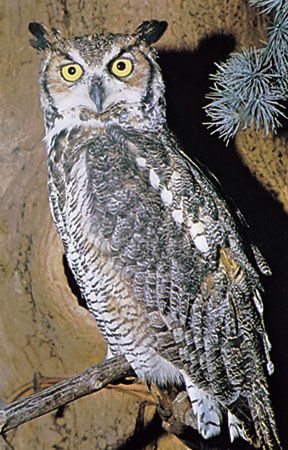
Binocular vision involves the use of both eyes simultaneously to create a single, three-dimensional experience. This is made possible by binocular disparity, a phenomenon where each eye receives a slightly different image of the same object because they are positioned at different points in the skull. The brain integrates these two images, allowing for precise depth perception through binocular parallax. This type of vision is common in predators, such as felines and owls, which require accurate distance judgment to hunt effectively.45
Monocular Vision
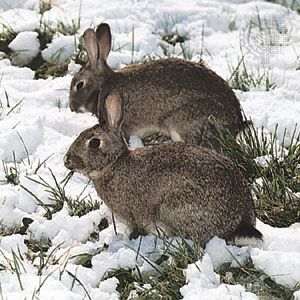
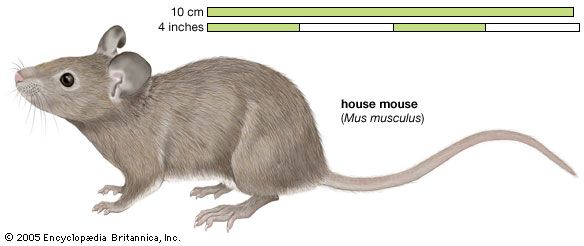
Monocular vision involves the use of a single eye. While it lacks the depth-sensing advantages of binocular disparity, animals with eyes placed on opposite sides of their heads—such as rabbits and mice—rely on this to achieve near-complete coverage of their surroundings, which helps them detect predators. To judge distance without binocular input, these animals often utilize movement parallax, where the relative motion of objects as the animal moves its head provides cues about depth.45
Why do horses have such a strong flight instinct?
The horse’s strong flight instinct is a fundamental survival mechanism shaped by its evolutionary history as a prey animal. Throughout the ages, horses were subject to constant attack by predators, making the ability to detect and escape danger essential for survival.3
This instinct is supported by several key adaptations:
- Sensory Vigilance: Horses possess highly developed senses of smell and hearing, which allow them to sense distant threats. Their large eyes, positioned far back on their elongated heads, provide a wide range of vision, enabling them to monitor their surroundings for potential danger even while grazing.23
- Anatomical Specialization: The horse’s physical form is built for speed. Their long legs, which pivot on pulley-like joints, and their compact bodies allow for efficient movement, facilitating a rapid escape when a threat is perceived.8
- Behavioral Response: Fleeing is the horse’s primary defense. While they may occasionally exhibit immobility or panic, their natural tendency is to run from danger. This behavior is so deeply ingrained that it is observed in foals shortly after birth.2
Sources
- Why do horses wear blinders? — Encyclopædia Britannica
- horse - Senses — Encyclopædia Britannica
- horse - Behaviour — Encyclopædia Britannica
- Photoreception - Diversity of eyes — Encyclopædia Britannica
- space perception - Visual cues — Encyclopædia Britannica
- monocular — Merriam-Webster
- binocular — Merriam-Webster
- horse - Anatomical adaptations — Encyclopædia Britannica
- horse - Evolution of the horse — Encyclopædia Britannica
- stress: Top Questions — Encyclopædia Britannica
Published on · 3 min read