Winter Hazel
Winter hazel refers to any of approximately 10 species of deciduous shrubs or small trees belonging to the genus Corylopsis within the witch hazel family…
What is winter hazel?
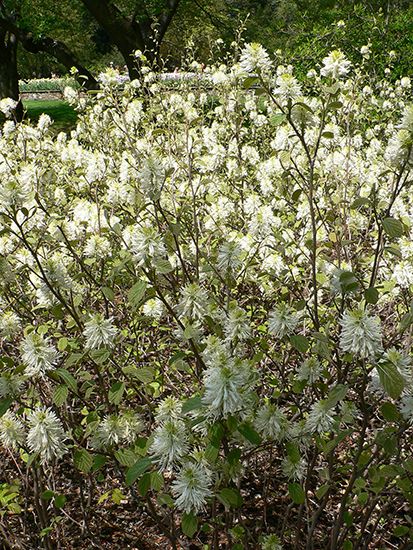
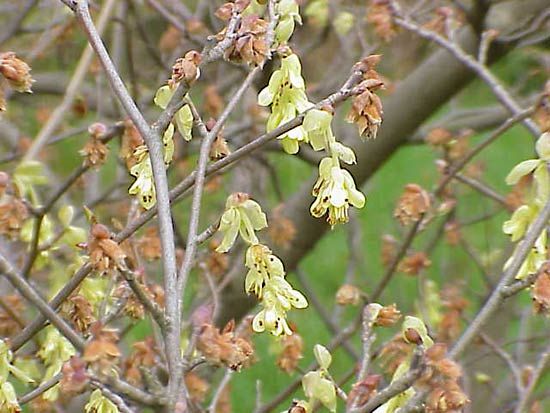
Winter hazel refers to any of approximately 10 species of deciduous shrubs or small trees belonging to the genus Corylopsis within the witch hazel family (Hamamelidaceae). Native to the Himalayas and eastern Asia, these plants are frequently cultivated as ornamentals for their early spring displays.12
Key characteristics include:
- Flowers: They produce fragrant, bell-shaped, creamy to yellow flowers that hang in nodding clusters (racemes) before the leaves emerge.12
- Varieties: Notable species include the buttercup winter hazel (C. pauciflora), which grows up to 2 meters tall, and the spike winter hazel (C. spicata), known for its lemon-yellow blooms. The fragrant winter hazel (C. glabrescens) can reach heights of up to 6 meters and is recognized for being relatively hardy.1
These shrubs are valued in gardening for their ability to provide color early in the season.12
How is winter hazel related to the witch hazel plant?
Winter hazel and witch hazel are related through their shared classification in the witch hazel family (Hamamelidaceae), an order of shrubs and trees comprising about 30 genera.14
While they belong to the same family, they are distinct genera with notable differences:
- Genus: Winter hazel belongs to the genus Corylopsis, whereas witch hazel belongs to the genus Hamamelis1.5
- Flowers: Winter hazel produces bell-shaped, fragrant flowers in hanging clusters (racemes) before its leaves appear. In contrast, witch hazel flowers typically feature four narrow, twisted, ribbonlike petals.15
- Geography: Winter hazel is native to the Himalayas and eastern Asia, while witch hazel species are native to both eastern North America and eastern Asia.15
- Uses: Witch hazel is well-known for its medicinal applications, such as the production of a fragrant liniment from its leaves and bark, and its historical association with water-dowsing. Both are primarily cultivated as ornamentals for their early spring blooms.54
We could dive deeper into the specific ornamental varieties of these plants or discuss other members of the Hamamelidaceae family.
What are the best growing conditions for Corylopsis shrubs?
Sorry, the Britannica knowledge base does not contain specific information regarding the optimal growing conditions for Corylopsis shrubs.
Why do winter hazel flowers bloom before their leaves appear?
Winter hazel (Corylopsis) species are deciduous shrubs that naturally bloom in early spring before their leaves emerge. While the specific biological mechanism for this trait is not detailed in the provided text, the timing of such spring activity in plants is generally governed by temperature and day-length triggers.16
Many plants respond to sustained periods of warmth by forming buds and producing flowers before foliage develops. This strategy allows these plants to complete their flowering cycle early in the season. However, scientists note that such timing can be sensitive; if spring temperatures rise earlier than historical averages due to global warming, it can lead to a “phenological mismatch,” where the timing of a plant’s life-cycle events becomes out of sync with the pollinators that depend on them.6
Sources
- winter hazel — Encyclopædia Britannica
- Corylopsis — Merriam-Webster
- winter hazel — Merriam-Webster
- Hamamelidaceae — Encyclopædia Britannica
- witch hazel — Encyclopædia Britannica
- The Perils of an Early Spring — Encyclopædia Britannica
Published on · 2 min read