The Perils of an Early Spring
"The Perils of an Early Spring" refers to the ecological and biological disruptions caused by climate change when spring-like conditions arrive earlier than…
What is The Perils of an Early Spring?
“The Perils of an Early Spring” refers to the ecological and biological disruptions caused by climate change when spring-like conditions arrive earlier than historical averages. While warmer weather may be pleasant for humans, it creates significant challenges for the natural world.1
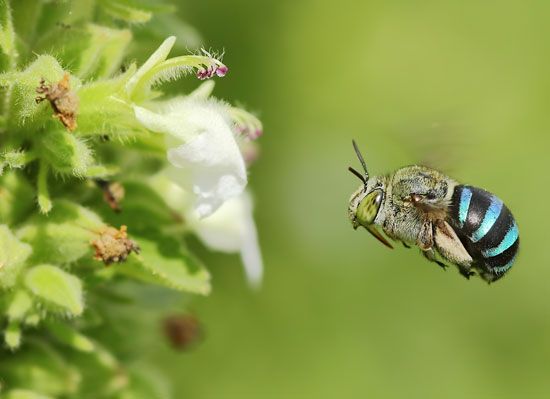
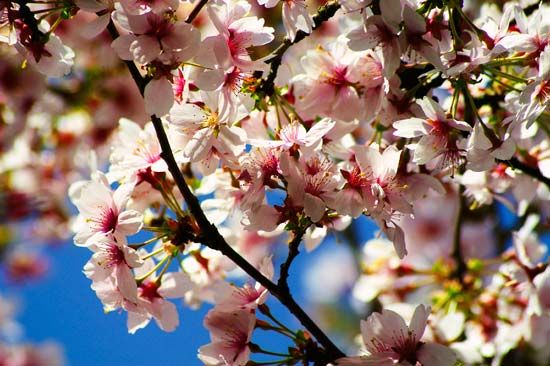
The primary issue is phenological mismatch, where species that rely on one another for survival fall out of sync. Many plants respond to temperature cues to bloom or leaf out, while many animals—such as birds and bees—rely on day-length cues. If plants emerge too early, animals may miss critical food resources, and plants may fail to be pollinated.1
Specific examples of these perils include:
- Reproductive Failure: Spring peepers may emerge before their insect food source is available, leading to reduced energy for mating and fewer offspring.1
- Disrupted Mating Cycles: Arctic ground squirrels are emerging earlier, potentially causing males and females to miss their narrow window for successful reproduction.1
- Agricultural Risk: Commercial growers face increased frost risks when crops bloom prematurely, necessitating costly protective measures.2
How do migratory birds adjust their travel schedules to match changing seasons?
Migratory birds do not typically “adjust” their travel schedules in a flexible way to match changing seasonal conditions, which is a primary cause of ecological concern. Their migration is governed by a complex interplay of internal physiological rhythms and external environmental cues.3
The Role of Internal and External Cues
- Internal Rhythms: The pituitary gland acts as a command center, using a fixed internal cycle to prepare birds for migration by triggering hormone secretions that influence metabolism and fat accumulation.34
- Photoperiodism: Many migratory birds rely on day length (photoperiod) as a primary cue to initiate their journey. Because day length is a highly predictable, calendar-based phenomenon, it provides a stable but rigid signal that does not shift even when spring arrives earlier due to global warming spring arrives earlier due to global warming.345
The Challenge of Phenological Mismatch
Because many birds are cued by day length rather than temperature, they often fail to shift their arrival times to match the earlier emergence of food resources (such as insects or vegetation) that are triggered by rising temperatures. This creates a phenological mismatch, where birds arrive at their breeding grounds only to find that their primary food sources have already peaked or are no longer available.56
While some species, such as the woodcock or starling, are more sensitive to local weather conditions like barometric pressure and temperature, many others are less weather-dependent and maintain rigid, regular migration schedules. This lack of flexibility makes it difficult for many populations to adapt to the rapid pace of climate change.365
What are some ways that farmers protect their crops from unexpected late-season frosts?
Farmers employ various strategies to protect crops from late-season frosts, primarily by reducing radiational heat loss or by adding and conserving heat. Techniques often depend on whether the threat is radiation frost—which occurs on clear, calm nights—or advective frost caused by cold air masses.72
Heat Addition and Conservation
- Heating: Growers may use heaters to raise air temperatures. This is most effective during temperature inversions, where warm air sits above the ground.72
- Wind Machines: These fans mechanically mix the air, bringing warmer air from above down to the crop level.72
- Irrigation: Sprinkling is a common method; as water freezes on plant surfaces, it releases latent heat, which helps maintain the plant’s temperature at the freezing point.728
- Soil Management: Adding a layer of sand or irrigating the soil before a frost can increase heat capacity and radiation.78
Physical Barriers and Hardening
- Shielding: Methods like “brushing” (using paper or foil shields), hot caps, cold frames, and windbreaks reduce heat loss to the sky.72
- Hardening Off: Before transplanting, growers may withhold water and fertilizer to prevent the growth of frost-tender succulent tissue, increasing the plants’ natural cold resistance.2
How does the loss of one species, like the ground squirrel, impact the entire food web?
The loss of a single species, such as a ground squirrel, can trigger complex, cascading effects throughout an ecosystem because species are interconnected within a food web.9
Cascading Ecological Impacts
When a species is removed, those that relied on it for food, those it preyed upon, and those that competed with it are all affected.9
- Predator-Prey Dynamics: Ground squirrels are omnivorous, consuming insects, plant matter, and small vertebrates. Their removal would reduce the food supply for their predators, potentially leading to population declines among those carnivores.109
- Secondary Extinctions: The loss of a host species often leads to the disappearance of specialized parasites that cannot survive on any other host.9
- Trophic Cascades: The removal of a species can trigger a trophic cascade, where reciprocal changes in predator and prey populations cause dramatic shifts in ecosystem structure. For instance, if a predator of the squirrel increases in population due to the loss of a top competitor, or if the squirrel’s prey (such as insects) proliferate unchecked, the entire balance of the local flora and fauna can be altered.119
Because these interactions are highly complex, the full consequences of losing a single species are often difficult to predict, but they frequently result in a loss of biodiversity and stability.9
Sources
- The Perils of an Early Spring — Encyclopædia Britannica
- horticulture - Frost control — Encyclopædia Britannica
- Migration - Physiological stimulus of migration — Encyclopædia Britannica
- How do birds know when to fly south? — Encyclopædia Britannica
- Global warming - Environmental consequences of global warming — Encyclopædia Britannica
- Migration - Ecological significance of migration — Encyclopædia Britannica
- Agricultural technology - Frost — Encyclopædia Britannica
- Vegetable farming - Frost protection — Encyclopædia Britannica
- What do squirrels eat? — Encyclopædia Britannica
- conservation - Secondary extinctions — Encyclopædia Britannica
- trophic cascade — Encyclopædia Britannica
Published on · 4 min read