Woodrat
While the provided information defines the woodrat as a North and Central American rodent known for hoarding debris, it does not contain specific details…
What are some common predators of woodrats?
While the provided information defines the woodrat as a North and Central American rodent known for hoarding debris, it does not contain specific details regarding its predators.
In general ecological terms, woodrats (often called pack rats) serve as a prey base for various carnivores, including owls, hawks, snakes, and small mammals like foxes or weasels, though I cannot confirm these specific interactions using only the provided source.
What do woodrats typically eat, and how does their diet vary across different habitats?
All woodrats are strictly vegetarian, though their specific diets vary significantly depending on their environment and species specialization.2
While they generally consume a variety of plant matter, some species have evolved to rely on specific food sources found within their respective habitats:
- Dietary Specialists: Certain species have highly focused diets. For example, Stephen’s woodrat (N. stephensi) subsists almost entirely on juniper sprigs.2
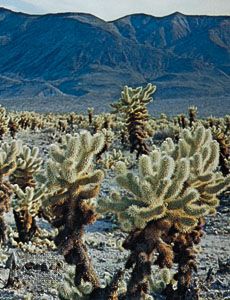
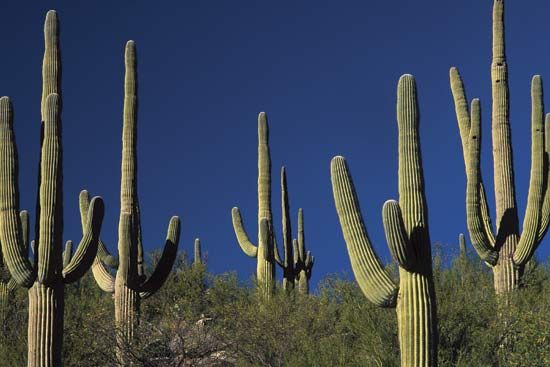
- Arid-Adapted Species: Species such as the white-throated woodrat (N. albigula) and the desert woodrat (N. lepida) feed primarily on prickly pear, cholla cacti, and yucca plants.2
Beyond these specialized diets, woodrats are well-known for their “midden” behavior, where they accumulate various items near their dens. While these collections often include sticks and debris, they are not typically consumed as food; rather, they serve as structural components of their nests.2
What is the ecological role of woodrats in their habitats?
Woodrats (genus Neotoma) play a significant ecological role primarily through their unique nest-building behavior. By constructing elaborate structures known as “middens,” these rodents create long-lasting environments that serve as vital records for scientific research.
In arid regions, woodrats utilize their urine as a cementing agent to bind together sticks, debris, and plant matter. These structures become incredibly durable, often remaining intact for thousands of years. Because these middens preserve the plant materials collected by the woodrats, they provide ecologists and paleontologists with a detailed historical record of local plant communities and climate conditions spanning the last 40,000 years in the southwestern United States.2
Beyond their utility to science, woodrats occupy a wide variety of habitats, ranging from deserts and mountains to various types of forests. As strictly vegetarian animals, they interact with their environment by foraging on specific vegetation, such as cacti and juniper, which helps shape the local flora within their range.2
How do woodrats differ from other rodent species?
Woodrats (genus Neotoma) are distinct from other rodents primarily due to their unique nest-building behaviors and specialized ecological interactions. While many rodents are known for hoarding, woodrats are famously called “packrats” for their characteristic accumulation of debris, bones, and shiny objects to build elaborate structures known as “middens.”21
Key differences include:
- Midden Construction: In arid environments, woodrats use their own urine as a cementing agent to bind sticks and plant matter into durable structures. These middens can remain intact for thousands of years, serving as a critical record for scientists to reconstruct past plant communities and climate conditions.2
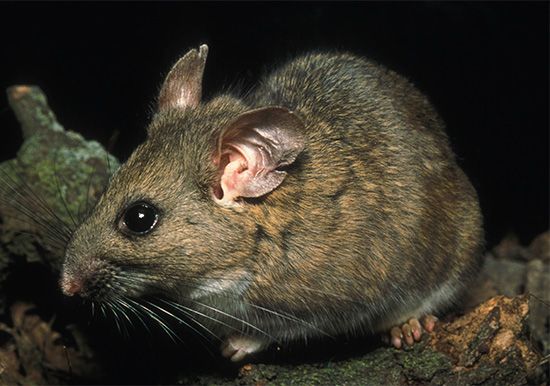
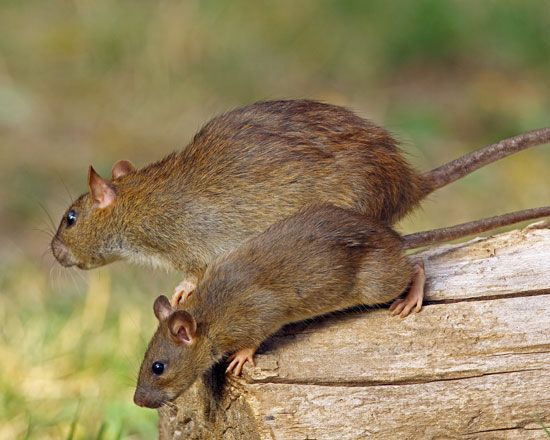
- Physical Characteristics: Woodrats are medium-sized rodents with large eyes, nearly bald protruding ears, and white feet. Their fur is typically long, thick, and soft, ranging from gray to reddish-brown. While most have densely haired tails, the bushy-tailed woodrat (N. cinerea) is unique within the genus for its bushy tail.2
- Dietary Habits: Unlike many other rodents that may have varied diets, all woodrats are strictly vegetarian. Several species exhibit extreme dietary specialization, such as subsisting almost entirely on juniper sprigs or specific cacti and yucca plants.2
Sources
- wood rat — Merriam-Webster
- woodrat — Encyclopædia Britannica
- list of rodents — Encyclopædia Britannica
Published on · 3 min read