Wrangell Mountains
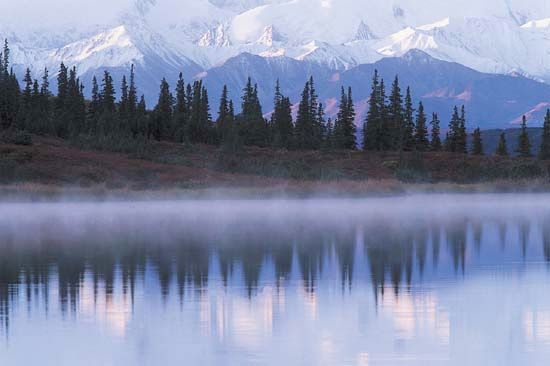
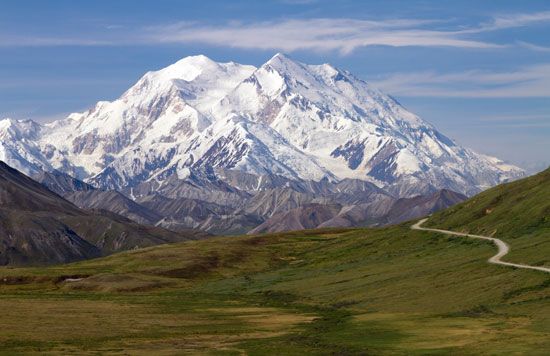
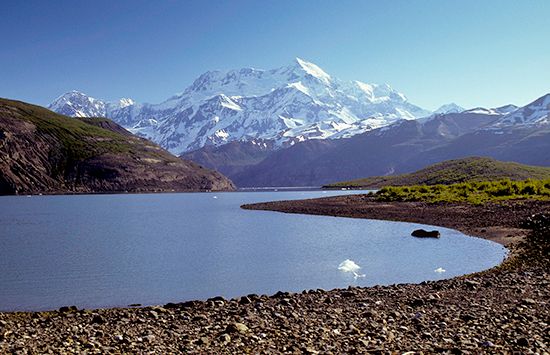
The Wrangell Mountains are a distinct, oval-shaped range in southern Alaska, covering an area of approximately 100 by 70 miles. Unlike the Alaska Range…
How do the Wrangell Mountains compare to other mountain ranges in Alaska?
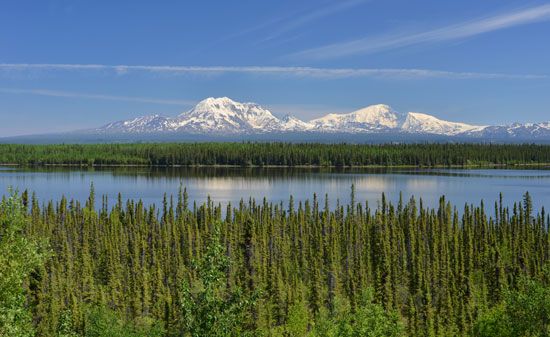
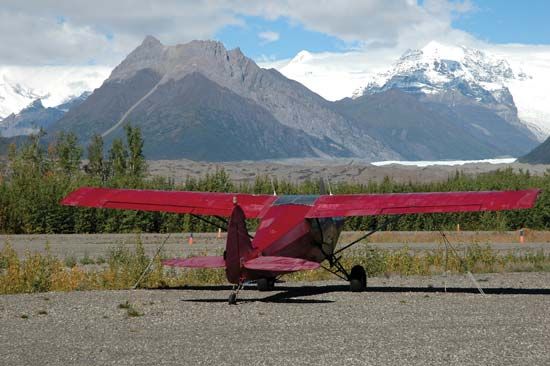
The Wrangell Mountains are a distinct, oval-shaped range in southern Alaska, covering an area of approximately 100 by 70 miles. Unlike the Alaska Range, which is a massive, arcuate wall of granitic intrusions, the Wrangells are primarily composed of composite volcanic mountains resting on metamorphosed sedimentary and igneous rocks.12
While the Alaska Range is dominated by the massive Denali (20,310 feet), the Wrangell Mountains feature high glaciated massifs that rise over 10,000 feet above the Copper River basin. Their highest peak, Mount Bona (16,421 feet), is lower than Denali but higher than many peaks in other Alaskan ranges. A defining feature of the Wrangells is their volcanic nature; Mount Wrangell remains active, steaming today.213
Compared to the St. Elias Mountains to the southeast, which contain the most extensive ice fields in North America, the Wrangells are noted for their rugged topography and perennial snow cover, with extensive local ice caps feeding large valley glaciers.413
What types of flora and fauna can be found in the Wrangell Mountains?
The Wrangell Mountains support a diverse range of flora and fauna, largely protected within the Wrangell–Saint Elias National Park and Preserve.
Flora
The vegetation of the region is structured by elevation, transitioning from forested lowlands to alpine environments.7
- Forests: The lower elevations feature coastal spruce-hemlock forests, as well as floodplain spruce and deciduous forests.7
- Alpine Vegetation: Above the timberline, the landscape is dominated by alpine sedges and grasses. These high-altitude areas are characterized by hardy, low-growing plants adapted to harsh, mountainous conditions.78
Fauna
The diverse habitats of the Wrangell Mountains support a variety of wildlife, including large mammals, birds, and other species.7
- Large Mammals: The region is home to populations of caribou, moose, and wolves. Iconic mountain species such as Dall sheep inhabit the high, rugged slopes.78
- Bears: Both brown (grizzly) and black bears are found throughout the area.87
- Birds and Other Wildlife: The park supports various waterfowl, including trumpeter swans, as well as beavers and various marine mammals.7
What are some popular recreational activities in the Wrangell Mountains?
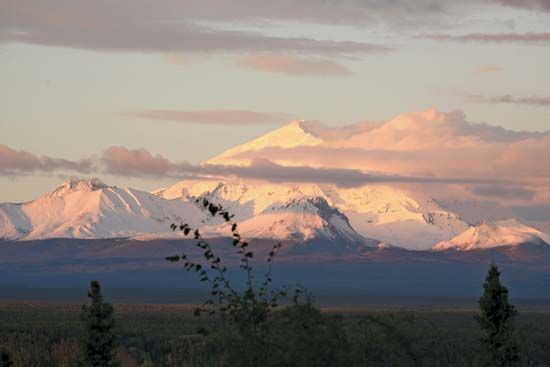
The Wrangell Mountains are primarily accessed through the Wrangell–Saint Elias National Park and Preserve, which offers a wide array of wilderness-oriented recreational activities for visitors. Because the region is largely undeveloped, these activities focus on exploring its vast, rugged terrain and glacial landscapes.8
Popular activities in the area include:
- Backpacking: The park’s expansive wilderness provides extensive opportunities for remote trekking.8
- Mountaineering: With the greatest collection of peaks above 16,000 feet in North America, the region is a premier destination for high-altitude climbing.8
- River Running: The park’s river systems, including those fed by glacial melt, are popular for rafting and other river-based travel.8
- Hunting and Fishing: These traditional activities are permitted within designated areas of the preserve.8
Access to these activities is typically facilitated by aircraft or via two primary road corridors, one of which leads to the historic town of McCarthy and the ruins of the Kennecott copper mines, which serve as a cultural point of interest for visitors.8
What is the significance of the Wrangell Mountains in Native Alaskan culture and history?
The provided search results do not contain information regarding the significance of the Wrangell Mountains in Native Alaskan culture and history. The available documentation focuses on the geological features, naming, and modern industrial history of the region.3
Sources
- Alaska Range — Encyclopædia Britannica
- Alaskan mountains - Physiography of the southern ranges — Encyclopædia Britannica
- Wrangell Mountains — Encyclopædia Britannica
- Wrangell Mountains — Merriam-Webster
- St. Elias Mountains — Encyclopædia Britannica
- Wrangell, Mount — Merriam-Webster
- Alaskan mountains - Plant and animal life — Encyclopædia Britannica
- Wrangell–Saint Elias National Park and Preserve — Encyclopædia Britannica
- Mountain ecosystem - Flora — Encyclopædia Britannica
- Kluane National Park and Reserve — Encyclopædia Britannica
Published on · 3 min read