Mountain Ecosystem
Mountain ecosystems are complex, diverse habitats defined primarily by their unique climates, which are shaped by altitude and relief. As elevation…
What are the main characteristics of mountain ecosystems?
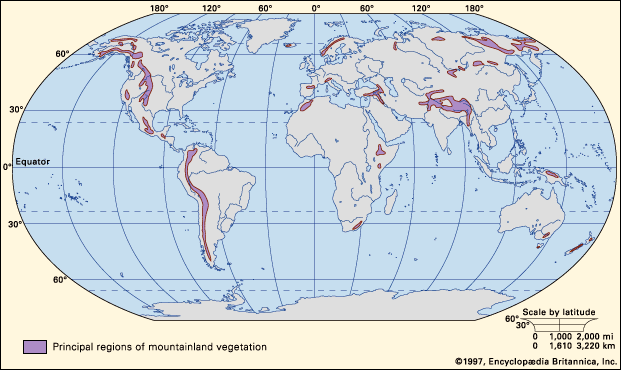
Mountain ecosystems are complex, diverse habitats defined primarily by their unique climates, which are shaped by altitude and relief. As elevation increases, temperatures drop and environmental conditions become increasingly harsh, creating distinct vertical zones of vegetation and soil.123
Key characteristics include:
- Climatic Variability: Mountains often feature “highland climates” that differ significantly from surrounding lowlands. Factors like aspect (the direction a slope faces) create microclimates that influence plant growth and snow retention.1
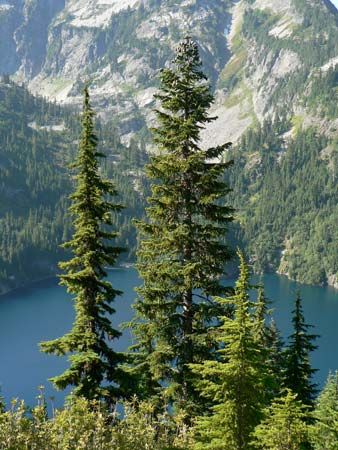
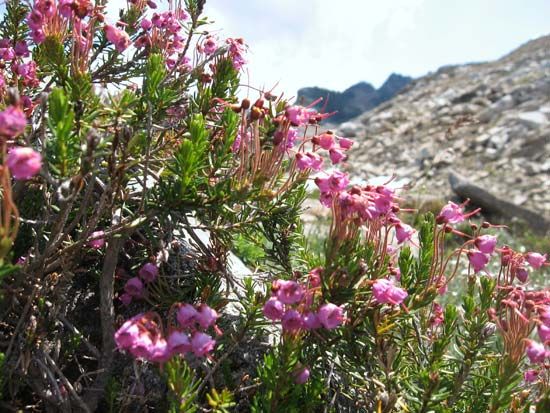
- Vegetation Patterns: A defining feature is the tree line, above which the climate is too harsh for trees to grow, giving way to alpine vegetation dominated by grasses, forbs, and low shrubs.1
- Soil Conditions: Mountain soils are typically shallow, nutrient-poor, and prone to erosion due to steep slopes and frost activity, though some areas accumulate peat in wet, cool conditions.1
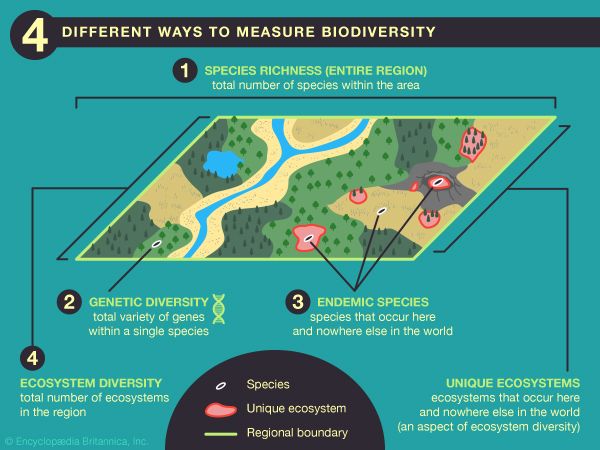
- Biodiversity and Isolation: Because mountain summits act as “islands” of cool climate, they often harbor unique, cold-adapted species that have evolved in isolation.4
How do altitude and climate affect biodiversity in mountain ecosystems?
Altitude and climate are primary drivers of biodiversity in mountain ecosystems, acting as both barriers and catalysts for evolution.
Isolation and Speciation Mountains function as “islands” of cool climate surrounded by warmer lowlands. This isolation prevents gene flow between populations on different peaks, often leading to the rapid evolution of distinct, cold-adapted species. Because these populations are frequently small and geographically separated, mountains become centers of high biological diversity, with unique flora and fauna developing independently on adjacent summits.89
Climate and Migration Historical climatic shifts, such as the Ice Ages, forced cold-adapted species to migrate. In temperate regions, organisms retreated uphill as climates warmed, creating strong links between mountain biota and Arctic species. Conversely, in the tropics, lowland forests acted as barriers, forcing species to adapt in isolation. Tropical mountain biodiversity is often bolstered by mobile species, such as birds, which can bridge these gaps.8
Seasonal Adaptation Climate dictates life cycles:
- Temperate Mountains: Highly seasonal climates trigger rapid, synchronized growth and flowering during short summers, while many animals migrate to lower altitudes to survive winter.10
- Tropical Mountains: Stable climates allow for year-round growth, but the lack of a seasonal food “flush” leads to different reproductive strategies, such as smaller clutch sizes in birds.10
What are some examples of keystone species in mountain ecosystems?
In ecology, a keystone species is an organism that exerts a disproportionately large influence on its environment, helping to maintain the structure and biodiversity of its community. In mountain ecosystems, several species serve this critical role:
- Pikas (Ochotona): In regions such as the Tibetan plateau, pikas are considered a keystone species for biodiversity. Their activities, including burrowing and foraging, significantly influence the surrounding grassland environments, supporting a variety of other species in these high-elevation habitats.11
- Gray Wolves (Canis lupus): As apex predators, wolves act as keystone species by controlling the populations of large herbivores like elk and deer. By regulating these populations, wolves prevent overgrazing, which in turn helps maintain the health and diversity of mountain vegetation and the broader ecosystem.1213
- Beavers (Castor): Often referred to as “ecosystem engineers,” beavers alter mountain landscapes by constructing dams. These structures create wetland habitats that provide essential resources for a wide range of fish and waterfowl, thereby supporting the local biological community.14
How do mountain ecosystems influence weather patterns and microclimates?
Mountain ecosystems exert a profound influence on weather patterns and create diverse microclimates through their physical structure and interaction with the atmosphere.
Influence on Weather Patterns
Mountains act as significant barriers to atmospheric flow. When moist air encounters a mountain range, it is forced upward, cooling as it rises and often releasing moisture as orographic precipitation on the windward side. As the air descends on the leeward side, it is compressed and warmed, resulting in drier, hotter conditions known as a rain shadow.181920
Furthermore, mountains can block the movement of cold air masses, leading to distinct regional weather differences, such as the milder coastal climates found west of the Rockies and Andes compared to continental interiors.21
Creation of Microclimates
The complex topography of mountains generates myriad microclimates over short distances:
- Thermal Effects: Altitude causes a decrease in temperature, pressure, and humidity. Additionally, slope orientation dictates the amount of solar radiation received, while cold air drainage can create “frost pockets” in low-lying valleys.18
- Wind Circulation: Mountains generate mesoscale winds, such as valley breezes that flow upslope during the day and mountain breezes that drain cold air into valleys at night.22
- Surface Interactions: Factors like soil composition, vegetation cover, and albedo further refine these microclimates, influencing evaporation, transpiration, and the overall water cycle within the ecosystem.20
Sources
- Mountain ecosystem - Environment — Encyclopædia Britannica
- Mountain ecosystem - Flora — Encyclopædia Britannica
- Mountain ecosystem — Encyclopædia Britannica
- Asia - The mountains — Encyclopædia Britannica
- Alps - Plant and animal life — Encyclopædia Britannica
- Rocky Mountains - Environmental concerns — Encyclopædia Britannica
- Mountain ecosystem - Biological productivity — Encyclopædia Britannica
- Mountain ecosystem - Origin — Encyclopædia Britannica
- Mountain ecosystem - Fauna — Encyclopædia Britannica
- Mountain ecosystem - Population and community development and structure — Encyclopædia Britannica
- keystone species — Encyclopædia Britannica
- apex predator — Encyclopædia Britannica
- beaver — Encyclopædia Britannica
- grizzly bear — Encyclopædia Britannica
- pika — Encyclopædia Britannica
- gray wolf - Conservation status — Encyclopædia Britannica
- wolf - Gray wolf — Encyclopædia Britannica
- Highland climate — Encyclopædia Britannica
- Orographic precipitation — Encyclopædia Britannica
- Breeze — Encyclopædia Britannica
- Atmosphere - Mountain barriers — Encyclopædia Britannica
- India - The southwest monsoon — Encyclopædia Britannica
- Microclimate — Encyclopædia Britannica
Published on · 4 min read