St. Elias Mountains
The St. Elias Mountains, as part of the Pacific mountain system, exert a significant influence on regional climate by acting as a major orographic barrier to…
How do the St. Elias Mountains affect the climate and weather patterns in the surrounding regions?
The St. Elias Mountains, as part of the Pacific mountain system, exert a significant influence on regional climate by acting as a major orographic barrier to storms originating from the Pacific Ocean.1
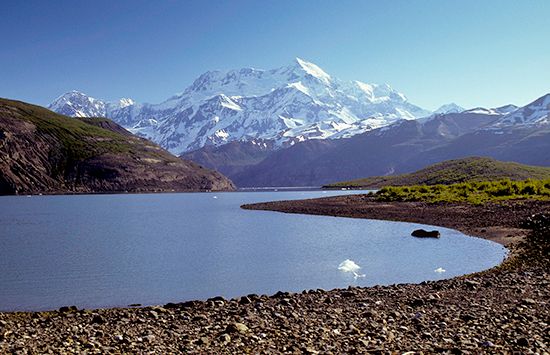
These mountains force moist, maritime air masses to rise, resulting in heavy precipitation on their windward (western) slopes, which contributes to the formation of the most extensive system of highland and valley glaciers in North America outside the polar ice caps. This process creates a distinct climatic contrast, as the mountains effectively block moisture from reaching inland areas, leading to drier conditions on their leeward side.231
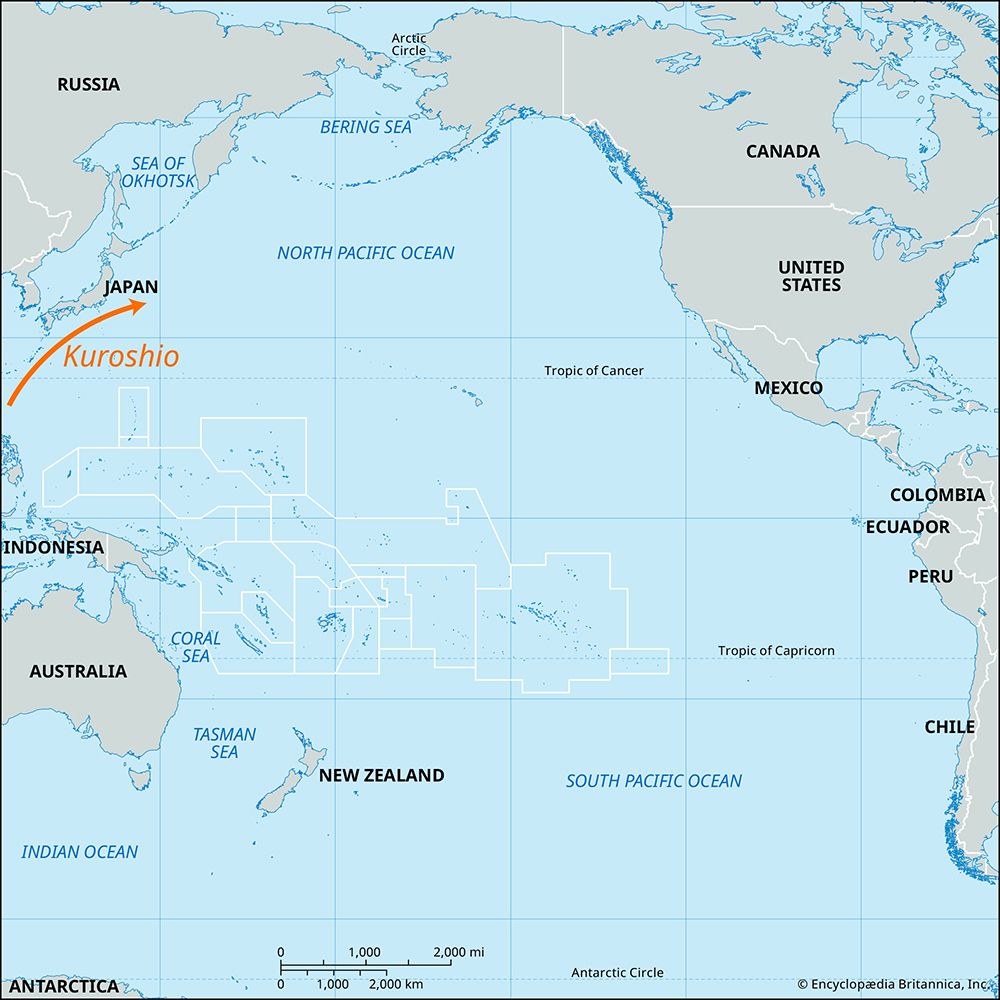
Furthermore, the range lies within a maritime climatic zone, where the influence of the Kuroshio (Japan Current) helps moderate temperatures, resulting in relatively small temperature variations compared to the more extreme continental zones found further inland. The presence of these massive, high-elevation peaks and their associated ice fields is a defining feature of the region’s environment.423
What national parks or protected areas encompass parts of the St. Elias Mountains?
The St. Elias Mountains are encompassed by several major protected areas that span the border between the United States and Canada. These regions are recognized for their vast ice fields, high-altitude peaks, and diverse wilderness:
- Wrangell–Saint Elias National Park and Preserve: Located in southeastern Alaska, this is the largest unit in the U.S. national park system. It features the convergence of the Chugach, Wrangell, and St. Elias ranges and contains the massive Malaspina Glacier.6
- Kluane National Park and Reserve: Situated in Canada’s Yukon territory, this park borders the Alaskan preserve. It is home to Mount Logan, the highest peak in Canada, and contains extensive nonpolar ice field systems.7
- Tatshenshini-Alsek Wilderness Provincial Park: Located in British Columbia, this park lies to the southeast of Kluane and helps protect the broader mountain ecosystem.7
- Glacier Bay National Park and Preserve: The southern end of the St. Elias range extends into this protected area in Alaska.1
Together, these areas form a significant transboundary wilderness designated as a UNESCO World Heritage site.67
What are some notable glaciers in the St. Elias Mountains, and how have they been impacted by climate change?
The St. Elias Mountains host the most extensive system of glaciers and ice fields in North America outside of the polar regions. These glaciers are primarily maritime, sustained by the heavy precipitation characteristic of the region’s coastal environment.819
Notable Glaciers
The range features several massive and iconic ice formations, including:
- Malaspina Glacier: The world’s largest piedmont glacier, covering approximately 1,500 square miles.10
- Hubbard Glacier: A prominent glacier extending 90 miles in length.8
- Seward and Bering Glaciers: Large-scale ice fields that, along with the Malaspina and Hubbard, define the region’s complex glacial landscape.19
Impact of Climate Change
Like most glaciers globally, those in the St. Elias Mountains have been significantly affected by 20th-century climate trends. Precise data indicates that the overwhelming majority of these glaciers have experienced negative mass balances, meaning they are losing more mass through ablation than they gain through snowfall. This has resulted in a general thinning of ice around the margins and a widespread retreat of glacier fronts. While these glaciers are currently supported by high rates of accumulation, the ongoing trend of rising temperatures continues to drive recession across the region.89
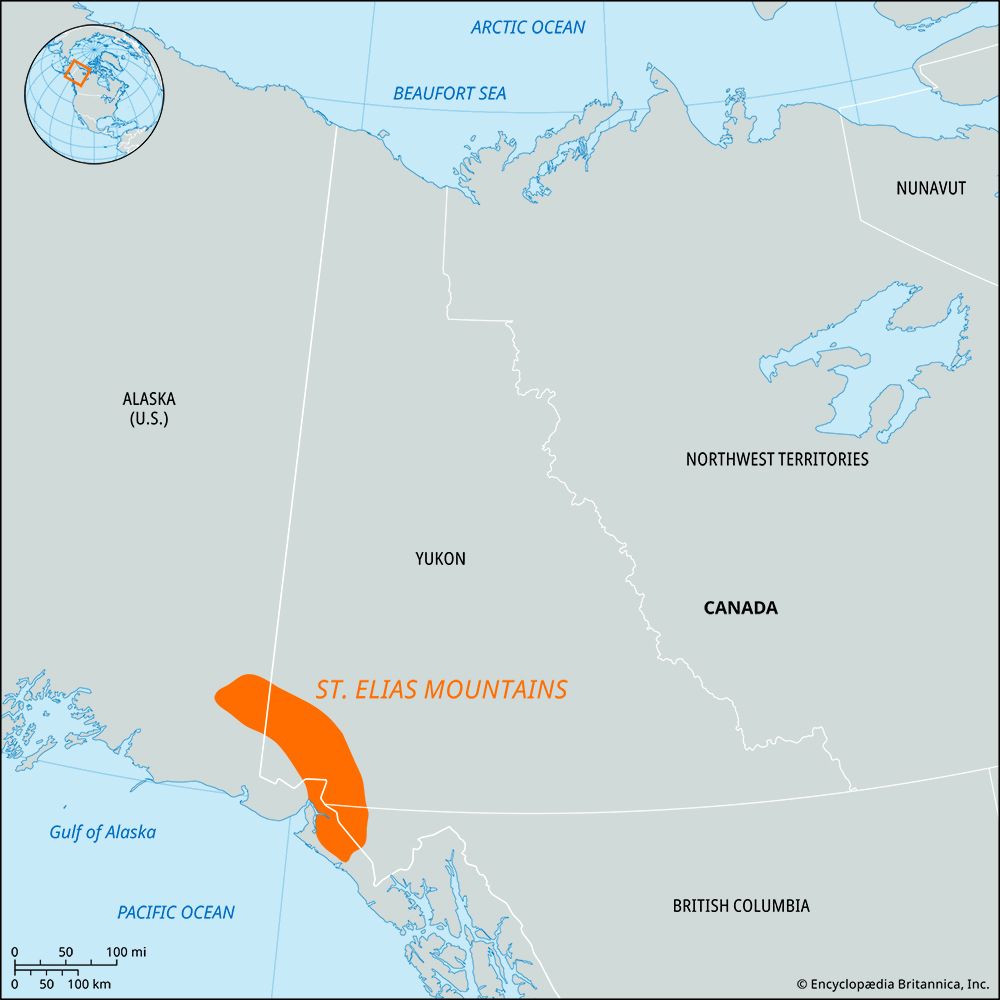
Where are the St. Elias Mountains located, and what countries do they span?
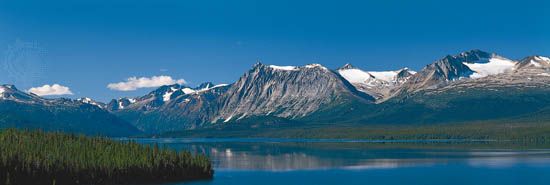
The St. Elias Mountains are a segment of the Pacific Coast Ranges located in northwestern North America. They span the international border between the United States, specifically the state of Alaska, and Canada, within the Yukon territory.1
The range extends approximately 250 miles (400 km) southeastward, stretching from the Wrangell Mountains to Cross Sound. These mountains are notable for containing some of the highest peaks on the continent, such as Mount Logan and Mount St. Elias, as well as the most extensive ice fields found outside of the polar regions.1
Sources
- St. Elias Mountains — Encyclopædia Britannica
- Alaskan mountains - Physiography of the southern ranges — Encyclopædia Britannica
- Alaska Range: Top Questions — Encyclopædia Britannica
- Pacific mountain system - Climate — Encyclopædia Britannica
- Alaskan mountains - Climate of the Alaskan mountains — Encyclopædia Britannica
- Wrangell–Saint Elias National Park and Preserve — Encyclopædia Britannica
- Kluane National Park and Reserve — Encyclopædia Britannica
- Arctic - Other glacier groups — Encyclopædia Britannica
- Malaspina Glacier — Encyclopædia Britannica
- glacier - Mass balance of mountain glaciers — Encyclopædia Britannica
Published on · 3 min read