Zucchini
Zucchini is a variety of summer squash belonging to the Cucurbitaceae family. It is a member of the Cucurbita pepo species and is specifically categorized…
What is Zucchini?
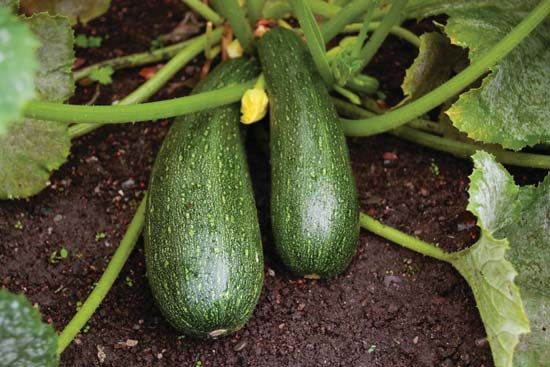
Zucchini is a variety of summer squash belonging to the Cucurbitaceae family. It is a member of the Cucurbita pepo species and is specifically categorized within the Cucurbita pepo subsp. pepo Zucchini Group.12
Originating in the mid-19th century near Milan, the vegetable was developed from North American pumpkins that had been introduced to Europe in the 16th century. The name is derived from the Italian word zucca, meaning “gourd,” and translates to “small gourd”.12
Zucchinis are typically harvested as young, cylindrical fruits before their rinds harden; if left to mature fully on the plant, they become known as marrows. They are highly nutritious, providing essential vitamins, minerals, and carotenoids, and are valued for their high water content and low carbohydrate profile.21
What is the difference between a zucchini and a marrow?
Zucchini and marrow are actually the same species of squash, Cucurbita pepo. The primary difference between them is the stage of maturity at which they are harvested.3
- Zucchini: These are harvested as young, tender fruits, typically while they are still relatively small and their rinds remain soft.3
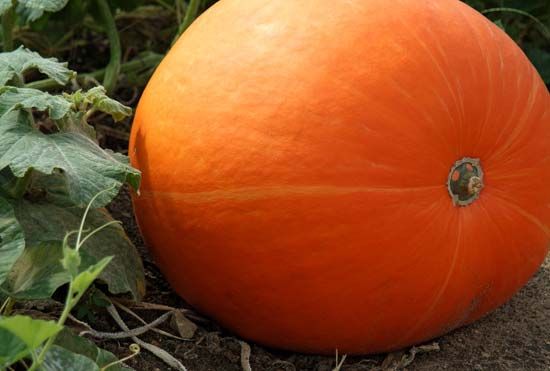
- Marrow: This term refers to the same fruit when it is left on the plant to grow larger and reach full maturity.3
Because they are the same plant, they share the same botanical characteristics, such as large, palmately lobed leaves and yellow-orange flowers. While zucchini is commonly consumed as a vegetable when young, the term marrow is used to describe the more mature, larger version of the same squash.3
How do bees help in the pollination of zucchini plants?
Zucchini plants are monoecious, meaning they produce separate male (staminate) and female (pistillate) flowers on the same individual plant. Because these flowers are unisexual, the plant relies on external agents to move pollen from the male flowers to the female flowers to achieve pollination.15
Bees play a critical role in this process. As they visit the flowers to collect nectar, they inadvertently pick up pollen on their bodies from the male flowers. When they subsequently move to a female flower, they deposit that pollen onto the stigma, which is necessary for the fruit to develop. Without this transfer, the female flowers will not be fertilized and will fail to produce fruit.6
While some plants have evolved complex mechanisms to ensure pollination, such as the “buzz pollination” (sonication) required by tomatoes, zucchini plants primarily depend on the movement of insects like bees to facilitate the necessary cross-pollination between their distinct male and female blossoms.65
What are some other common types of summer squash?
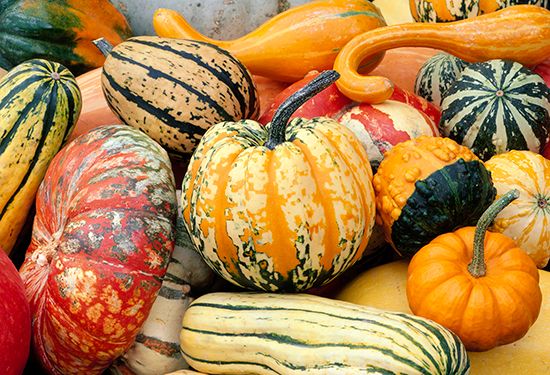
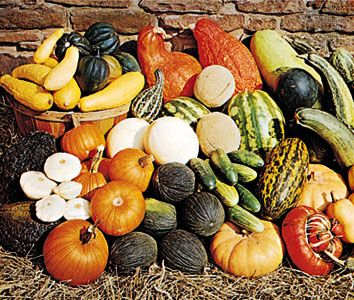
In addition to zucchini, there are several other common types of summer squash that belong to the species Cucurbita pepo. These varieties are characterized by their quick growth and are typically harvested while immature, before their rinds and seeds harden.89
Common varieties include:
- Pattypan: Also known as cymling, this squash is easily recognized by its distinct round, flattened shape and scalloped edges.108
- Globe squash: As the name suggests, these varieties are noted for their rounded, spherical fruit shape.8
- Yellow crookneck squash: This variety is distinguished by its curved, elongated neck and yellow skin.8
Like zucchini, these squashes are part of the gourd family and are prized for their versatility in cooking, as both the flesh and the blossoms are edible.811
Sources
- Zucchini: Top Questions — Encyclopædia Britannica
- Zucchini — Encyclopædia Britannica
- marrow squash — Merriam-Webster
- melon — Encyclopædia Britannica
- Botanical Sex: 9 Alluring Adaptations — Encyclopædia Britannica
- Do Plants Have Sexes? — Encyclopædia Britannica
- Pollination - Structural — Encyclopædia Britannica
- pattypan — Merriam-Webster
- Squash — Encyclopædia Britannica
- Yellow-flowered gourd — Encyclopædia Britannica
- summer squash — Merriam-Webster
Published on · 3 min read