10 Women Who Advanced Our Understanding of Life on Earth
The study of life on Earth has been significantly advanced by the contributions of many dedicated researchers. Here are 10 women who have made profound…
What are 10 Women Who Advanced Our Understanding of Life on Earth?
The study of life on Earth has been significantly advanced by the contributions of many dedicated researchers. Here are 10 women who have made profound impacts in the life sciences:
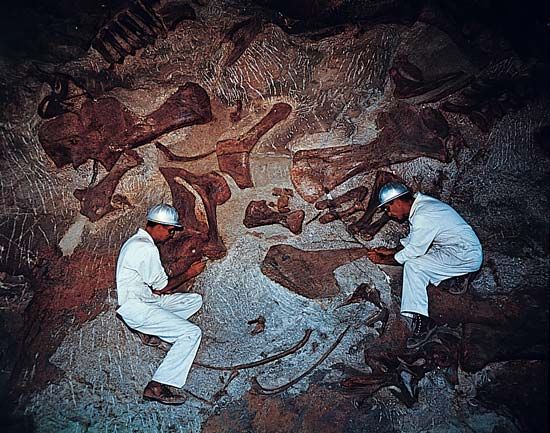
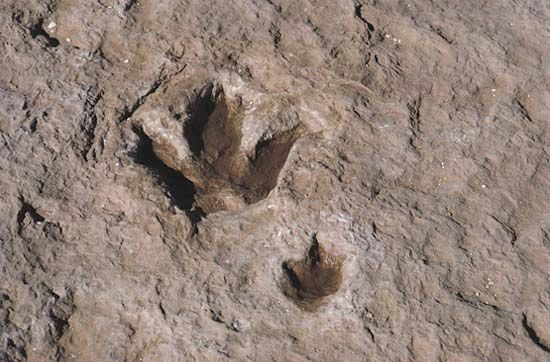
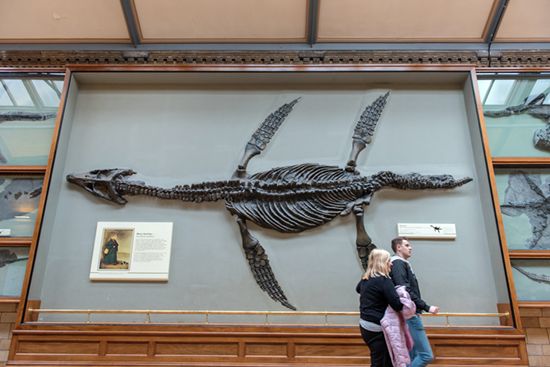
- Mary Anning: An English fossil hunter whose discoveries of iconic dinosaur specimens were instrumental in the early development of paleontology dinosaur specimens were instrumental in the early development of paleontology.3
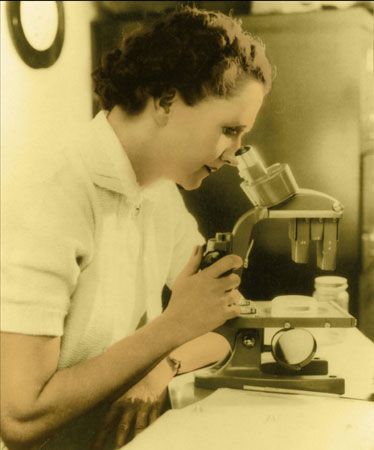
- Rachel Carson: A biologist and author whose work, particularly Silent Spring, drew critical attention to the environmental consequences of pollution.1
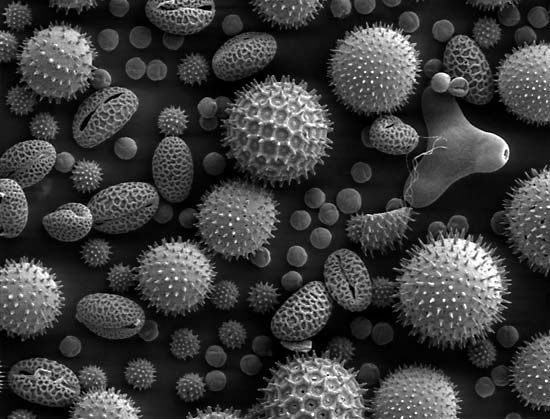
- Margaret Bryan Davis: A paleoecologist who pioneered palynology, providing insights into how climatic variations influence biological communities.1
- Sylvia Alice Earle: An oceanographer known for her groundbreaking undersea expeditions and advocacy for marine conservation.1
- Dian Fossey: A zoologist who conducted extensive and influential research on the behavior and ecology of mountain gorillas.2
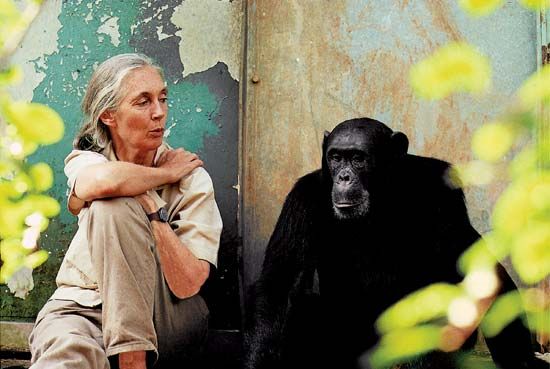
- Jane Goodall: A renowned ethologist whose long-term study of chimpanzees revolutionized our understanding of animal behavior and tool use.31
- Mary Douglas Leakey: An archaeologist and paleoanthropologist who discovered critical fossils that reshaped the understanding of human evolution.1
- Wangari Maathai: An environmental activist who founded the Green Belt Movement, linking deforestation prevention with women’s rights.1
- Maria Sibylla Merian: An entomologist and nature artist who created highly accurate scientific illustrations of insects and plants.2
- Margaret Morse Nice: An ornithologist whose detailed field studies of song sparrows provided foundational data in behavioral ecology.1
What is the difference between ethology and ecology?
While both ethology and ecology are biological sciences that emerged from the study of natural history, they focus on distinct aspects of the living world.
Ecology is the study of the relationships between organisms and their environment, which includes both physical surroundings and other living beings. It examines how individuals, populations, and species interact to form complex systems known as ecosystems. The field is concerned with the “economy of nature,” focusing on how organisms survive and function within their specific habitats.5
Ethology is the biological study of animal behaviour. Rather than focusing on the environment, ethologists investigate the behavioral processes of animals, often using an inductive approach that begins with direct observation in natural settings. Ethology seeks to understand why animals behave as they do by addressing four levels of analysis:67
- Causation: The physiological and cognitive mechanisms that trigger a behavior.7
- Ontogeny: How a behavior develops as an animal matures.7
- Function: How a behavior contributes to an animal’s survival and reproductive success.7
- Evolutionary history: How a behavior evolved over time.7
While distinct, the two fields overlap in areas such as behavioral ecology, which explores how specific behaviors promote genetic success.7
How do scientists use fossils to reconstruct Earth’s history?
Scientists use fossils to reconstruct Earth’s history by analyzing the remains or imprints of ancient organisms preserved in sedimentary rock. This process, central to paleontology, relies on several key methods:
- Stratigraphic Correlation: By observing that specific layers of rock contain distinct fossil sequences, geologists can correlate strata across different regions and continents. Index fossils—species that were geographically widespread and existed for a short geologic time—are particularly valuable for defining boundaries in the geologic time scale.91011
- Evolutionary Analysis: The fossil record documents progressive, irreversible changes in organisms over time. These patterns provide essential evidence for evolution, allowing scientists to map the development and extinction of life-forms.1011
- Paleoecology: Fossils serve as indicators of ancient environments. By studying the ecological niches of fossilized organisms, paleoecologists can infer past climates and habitats, which also aids in locating fossil fuel deposits.1011
What are some ways that biodiversity conservation helps the planet?
Biodiversity conservation is essential for maintaining the health and stability of our planet. By protecting a wide variety of species and their habitats, we preserve the complex systems that provide critical benefits to both nature and humanity.
Ecological Stability and Resilience
Biodiversity is fundamental to ecosystem health. High levels of biodiversity ensure that ecosystems remain productive and capable of recovering from disturbances, a quality known as ecological resilience. When ecosystems lose species, they lose the complexity required to function properly, which can lead to destabilization or total collapse. Furthermore, diverse ecosystems provide vital services such as soil maintenance, water purification, and carbon storage, which are crucial for mitigating environmental challenges.1314
Support for Human Society
Conservation directly supports human well-being by protecting resources we rely on:
- Food Security: Biodiversity in agriculture—such as maintaining diverse crop varieties—protects our food supply from pests, diseases, and climate change. Pollinators like bees are particularly vital, as they facilitate the reproduction of numerous crops, ensuring the availability and affordability of fruits and vegetables.1516
- Medicine: Many pharmaceuticals are derived from rare plants, animals, and fungi. Protecting these species preserves our ability to discover new treatments for diseases like malaria and cancer.15
Sources
- Jane Goodall: A Life in Pictures — Encyclopædia Britannica
- Women in Science - The growth of women’s higher education in the 19th and early 20th centuries — Encyclopædia Britannica
- 10 Women Who Advanced Our Understanding of Life on Earth — Encyclopædia Britannica
- Women in Science - A selection of notable women in science — Encyclopædia Britannica
- Ethology — Encyclopædia Britannica
- ecology — Encyclopædia Britannica
- Animal behaviour - Ecological and ethological approaches to the study of behaviour — Encyclopædia Britannica
- Zoology - Ethology — Encyclopædia Britannica
- index fossil — Encyclopædia Britannica
- fossil record — Encyclopædia Britannica
- paleontology — Encyclopædia Britannica
- geology - Paleontology — Encyclopædia Britannica
- biodiversity loss - Economic and societal effects — Encyclopædia Britannica
- biodiversity loss - Ecological effects — Encyclopædia Britannica
- Why are bees important? — Encyclopædia Britannica
- Wetland - Wetland functions and ecosystem benefits — Encyclopædia Britannica
Published on · 4 min read