Index Fossil
An index fossil is the preserved remains of an animal or plant that serves as a marker for a specific span of geologic time or a particular environment. To…
What is an index fossil, and why are they important in geology?
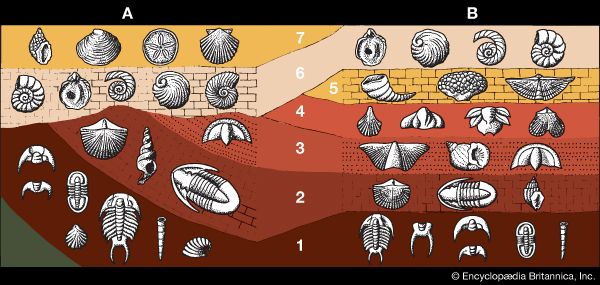
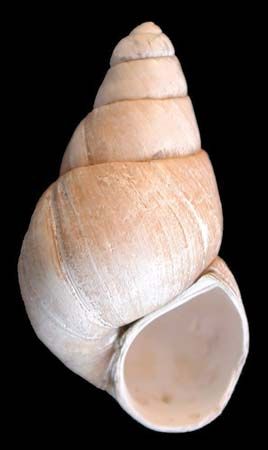
An index fossil is the preserved remains of an animal or plant that serves as a marker for a specific span of geologic time or a particular environment. To be considered a useful index fossil, a specimen must be easily recognizable, abundant, widely distributed geographically, and possess a short temporal range.1
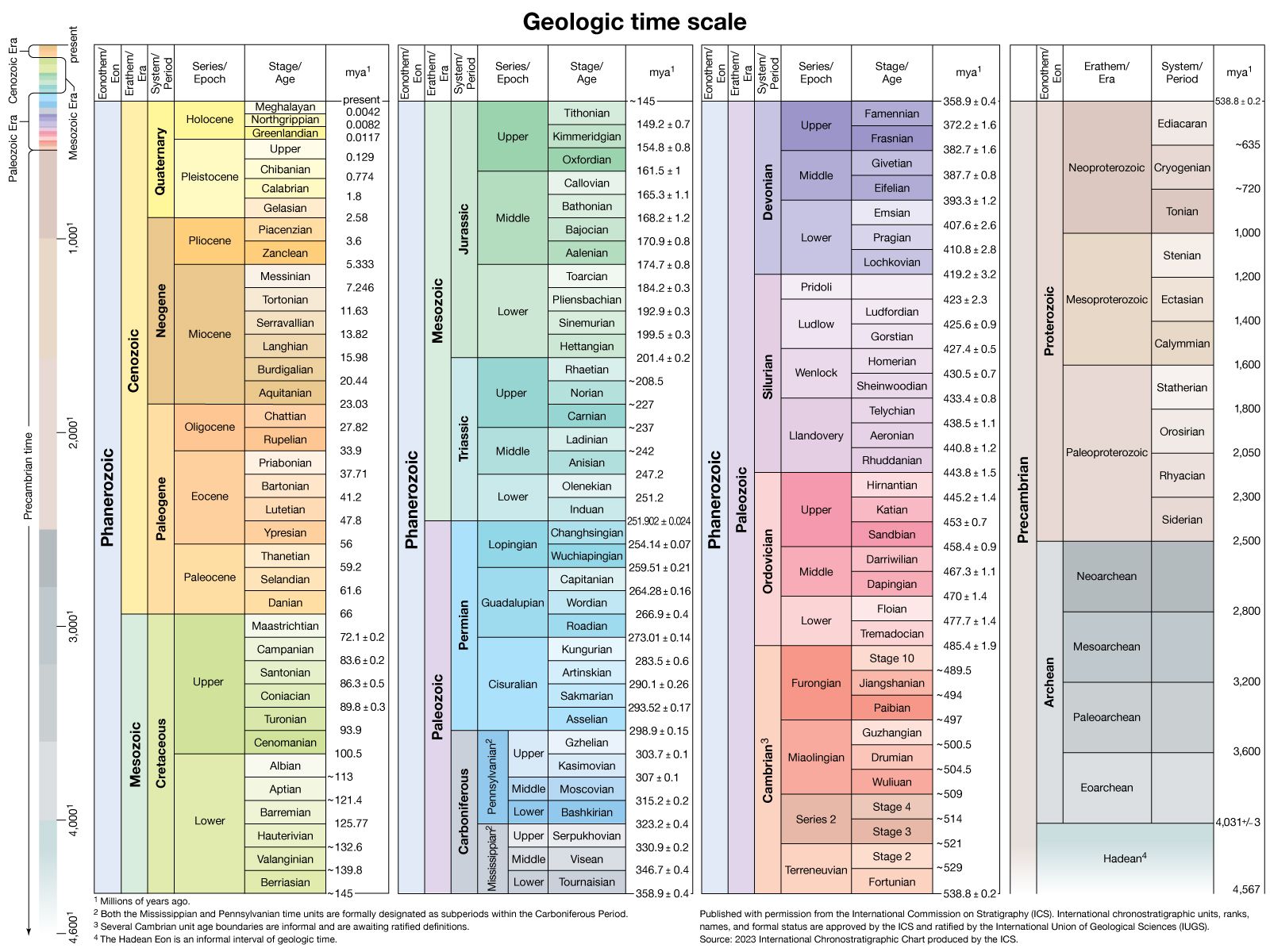
These fossils are essential to geology because they provide the foundation for defining boundaries within the geologic time scale and for the stratigraphic correlation of rock layers across different regions. Because index fossils like trilobites or conodonts evolved rapidly, their presence in a rock layer allows scientists to date that deposit with high precision. By identifying these distinct species, geologists can match rock strata found in different parts of the world, helping to reconstruct the history of the Earth.12
How has the use of index fossils evolved with advances in radiometric dating techniques?
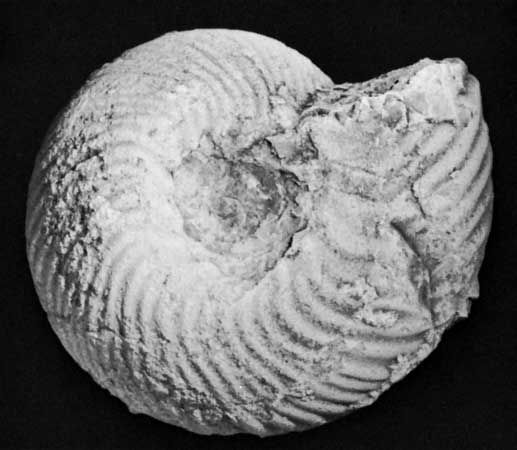
The development of radiometric dating has fundamentally transformed the role of index fossils in geology, shifting them from the primary means of establishing a global timeline to a component of an integrated, high-resolution geochronologic framework.345
Calibration and Validation
Before the widespread adoption of absolute dating, geologists relied almost exclusively on faunal succession to determine the relative age of rock strata. Radiometric dating has since provided the essential “absolute” calibration for this fossil-based record. By applying isotopic measurements to volcanic minerals found in layers adjacent to fossil-bearing strata, scientists can assign precise numerical ages to the relative sequences defined by index fossils. This has confirmed the validity of the fossil record, as the relative order of strata established by fossils has been consistently supported by radiometric data.63
Complementary Roles
The two methods now function as an integrated system:
- Precision and Scope: While index fossils are invaluable for correlating sedimentary rocks, they are often absent in Precambrian units or non-fossiliferous rocks. Radiometric dating fills these gaps, allowing for the study of Earth’s history beyond the past 600 million years.36
- Technological Synergy: Modern advancements, such as the use of volcanic ash layers as key beds, allow geologists to combine the best of both worlds. These layers are distinctive enough for physical correlation and often contain crystals suitable for precise isotopic dating, providing a direct link between biostratigraphy and absolute time.6
- High-Resolution Refinement: Today, geochronology integrates biostratigraphy, magnetostratigraphy, and isotopic ages to create highly refined time scales. For example, in the late Neogene, the integration of astronomical cycles with fossil data and radiometric calibration has allowed for a resolution of approximately 5,000 years.5
Ultimately, radiometric dating has not replaced index fossils but has instead provided the rigorous framework necessary to turn relative observations into a precise, global history of the Earth.35
How do index fossils help in understanding the concept of biostratigraphy?
Biostratigraphy is the branch of paleontology that uses fossils found within sedimentary rock layers to determine their relative geologic age and to organize those strata into a chronological sequence. Index fossils are the fundamental tools of this discipline, serving as the primary markers for defining boundaries within the geologic time scale.17
Index fossils help establish biostratigraphy through the following mechanisms:
- Correlation of Strata: By identifying the same index fossil in separated rock outcrops, geologists can correlate these layers, assuming they were formed contemporaneously. This relies on the principle of faunal succession, which observes that specific animal and plant life existed during unique intervals of Earth’s history.9
- Defining Time Units: Biostratigraphic boundaries are often marked by the appearance or disappearance of specific fossil types. These boundaries allow scientists to divide geologic time into units such as eons, eras, periods, and epochs.10
- Biozones: The presence of a specific fossil defines a biozone—a stratigraphic unit representing the strata deposited during that organism’s existence.11
Because ideal index fossils are abundant, widely distributed, and have short temporal ranges, they provide the empirical basis for mapping the relative history of the Earth.79
How do scientists use index fossils to determine the relative age of rock layers?
Scientists use index fossils to determine the relative age of rock layers by applying the principle of faunal succession, which observes that different groups of plants and animals succeeded one another through time in a predictable, non-repetitive order.17
To be effective, an index fossil must meet specific criteria:
- Short temporal range: The species existed for only a brief period of geologic time, allowing for precise dating of the strata in which it is found.121
- Wide geographic distribution: The organism was cosmopolitan, enabling geologists to correlate rock layers across distant regions.121
- Abundance and distinctiveness: The fossil is easily recognizable and common enough that its discovery is highly probable.121
By identifying these fossils in separated outcrops, geologists can establish that the layers were formed contemporaneously. This process allows scientists to organize sedimentary rocks into a chronological sequence, defining the boundaries of the geologic time scale. While this method provides a relative timeline, it is often integrated with radiometric dating to calibrate these sequences against absolute ages, particularly when using volcanic ash layers as markers.11273
Sources
- index fossil — Encyclopædia Britannica
- Cambrian Period - Correlation of Cambrian strata — Encyclopædia Britannica
- dating - Distinctions between relative-age and absolute-age measurements — Encyclopædia Britannica
- geology - Isotopic geochemistry — Encyclopædia Britannica
- Tertiary Period - Correlation of Tertiary strata — Encyclopædia Britannica
- geochronology - Accumulational processes — Encyclopædia Britannica
- dating - Principles and techniques — Encyclopædia Britannica
- dating - Absolute dating — Encyclopædia Britannica
- biostratigraphy — Merriam-Webster
- geologic history of Earth - Time scales — Encyclopædia Britannica
- biozone — Encyclopædia Britannica
- law of faunal succession — Encyclopædia Britannica
- Cretaceous Period - Correlation — Encyclopædia Britannica
Published on · 4 min read