5 Fast Facts About Flower Anatomy
Here are five fast facts about flower anatomy:
What are 5 Fast Facts About Flower Anatomy?
Here are five fast facts about flower anatomy:
- Flowers are reproductive structures: Technically, a flower is the reproductive portion of an angiosperm. While often showy, their primary biological purpose is to facilitate reproduction, not just to be ornamental.1
- The four main organs: A complete flower consists of four distinct parts attached to a receptacle: sepals, petals, stamens, and carpels/stamen), and carpels.12
- The Perianth: The sepals (collectively the calyx) and petals (collectively the corolla) together form the perianth. These are considered accessory, sterile parts that protect the bud and often attract pollinators.31
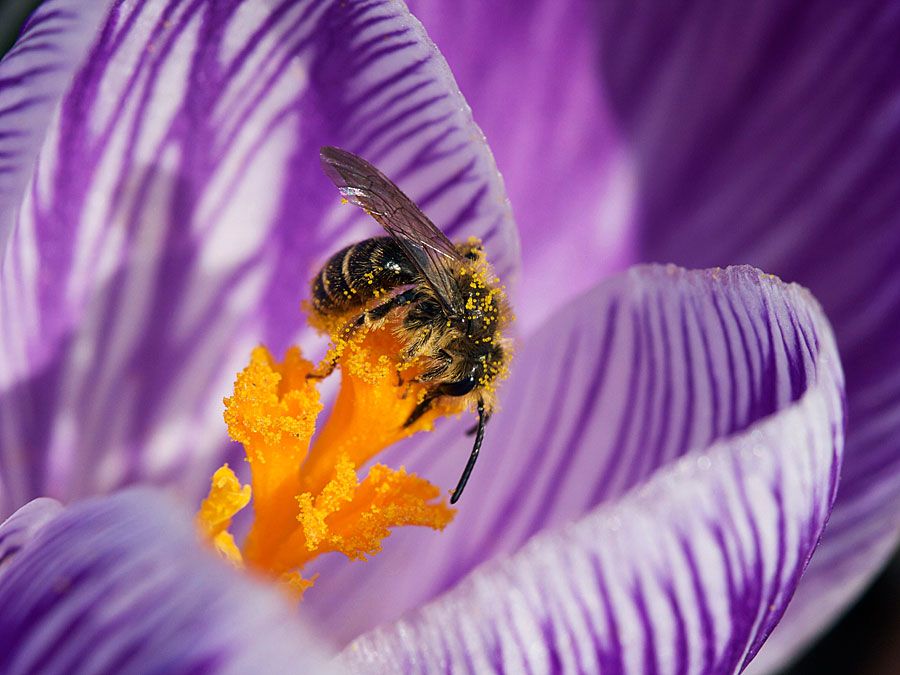
- Male and female parts: Stamens are the male structures consisting of anthers and filaments, while the pistil (the female part) includes the stigma, style, and ovary, which houses the ovules.14
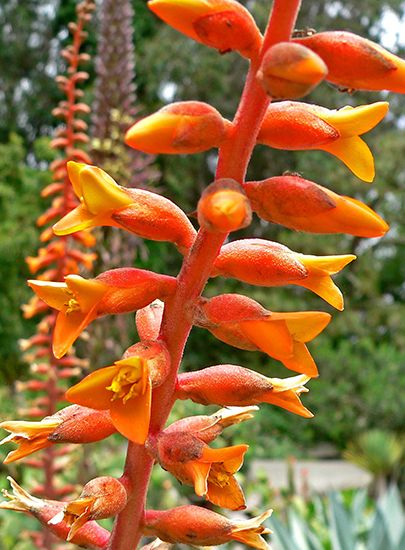
- Inflorescences: Flowers do not always grow singly; they can appear in clusters called inflorescences, such as those found in sunflowers or snapdragons.34
How do different pollinators influence the shape and color of flowers?
Pollinators exert significant evolutionary pressure on flowers, shaping their physical characteristics and colors to ensure successful reproduction through a process of coevolution6.5
Color as an Advertisement
Flower colors serve as “advertisements” for rewards like nectar or pollen.6
- Bees: Attracted to bright colors, particularly yellows and blues. They cannot distinguish red, so red flowers are rarely pollinated by bees.75
- Birds: Many bird-pollinated species, such as those visited by hummingbirds, feature red perianths, which are highly visible to them.5
- Moths: Flowers pollinated by hawk moths are often white or yellow, making them more visible in low-light or nocturnal conditions.5
- Carrion-feeders: Flowers like the titan arum use mottled red and brown colors to mimic rotting flesh, attracting flies and beetles.8
Structural Adaptations
The shape of a flower is often precisely tuned to the pollinator’s anatomy and behavior:
- Landing Platforms: Bee-pollinated flowers often provide a landing platform to facilitate the insect’s access to the flower.7
- Tube Length: Flowers may evolve long, thin tubes to match the proboscis length of specific pollinators, such as the Madagascar orchid that relies exclusively on a hawk moth with a matching 22.5 cm proboscis.65
- Deception: Some orchids, such as the genus Ophrys, have evolved shapes, textures, and scents that mimic female insects, tricking males into attempting to mate with the flower, which results in pollen transfer.89
- Nectar Guides: Many flowers feature patterns of dots, lines, or contrasting color patches that act as visual cues, pointing pollinators toward the hidden nectar.65
What is the difference between self-pollination and cross-pollination?
The primary difference between self-pollination and cross-pollination lies in the source of the pollen used to fertilize an egg cell.
- Self-pollination (autogamy): This occurs when an egg is fertilized by pollen from the same flower or another flower on the same plant. While it serves as a “foolproof” reproductive strategy in stable environments or when pollinators are scarce, it results in offspring with limited genetic variability, making it an evolutionary “cul-de-sac” if conditions change.111213
- Cross-pollination (heterogamy): This involves the transfer of pollen from the flower of one plant to the flower of a different individual. This process promotes outbreeding, which combines hereditary traits from two parents. The resulting offspring are generally more varied and often higher in quality, providing the species with a better chance of survival in changing environments.1112
Many plants have evolved structural, temporal, or chemical mechanisms—such as dichogamy, heterostyly, or self-incompatibility—to limit self-pollination and encourage the genetic benefits of cross-pollination.12
How do fruits develop from the ovary after fertilization?
Following fertilization, a series of physiological changes transforms the flower into a fruit. As the ovules within the ovary develop into seeds, the ovary itself enlarges and matures to become the fruit.1415
During this transition, other floral parts typically wither or are shed: the anthers and stigma dry up, and the petals drop off. The primary biological purpose of this resulting fruit is to protect the developing seeds and facilitate their eventual dissemination.14
In some cases, fruit development can occur without fertilization, a process known as parthenocarpy, which can be triggered by pollination alone or by the application of synthetic hormones. Once mature, the fruit wall, or pericarp, may become fleshy or dry, depending on the species, and is often categorized into layers including the endocarp, mesocarp, and exocarp.1617
Sources
- angiosperm - General features — Encyclopædia Britannica
- sepal — Encyclopædia Britannica
- 5 Fast Facts About Flower Anatomy — Encyclopædia Britannica
- plant reproductive system - Angiosperms — Encyclopædia Britannica
- major types of pollinators - Bees — Encyclopædia Britannica
- pollination - Evolution of insect pollination — Encyclopædia Britannica
- pollination - Structural — Encyclopædia Britannica
- Asparagales - Pollination — Encyclopædia Britannica
- Botanical Sex: 9 Alluring Adaptations — Encyclopædia Britannica
- mimicry - Orchids — Encyclopædia Britannica
- pollination - Types: self-pollination and cross-pollination — Encyclopædia Britannica
- cross-pollination — Encyclopædia Britannica
- pollination - Mechanisms that permit self-pollination — Encyclopædia Britannica
- seed - Angiosperm seeds — Encyclopædia Britannica
- ovule — Encyclopædia Britannica
- angiosperm - Fruits — Encyclopædia Britannica
- ovary — Encyclopædia Britannica
- plant reproductive system - Physiology of plant reproduction — Encyclopædia Britannica
- gnetophyte - Pollination and embryogeny — Encyclopædia Britannica
- fruit: Top Questions — Encyclopædia Britannica
- Hormone - Growth inhibitors — Encyclopædia Britannica
Published on · 3 min read