Amniota
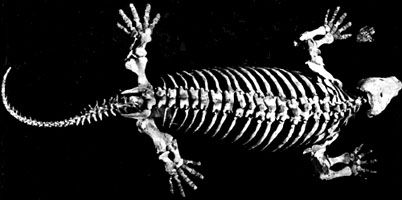
The Amniota are a clade of tetrapods defined by a critical evolutionary adaptation: the development of the embryo within a set of protective extra-embryonic…
What are the key characteristics that define the Amniota group of animals?
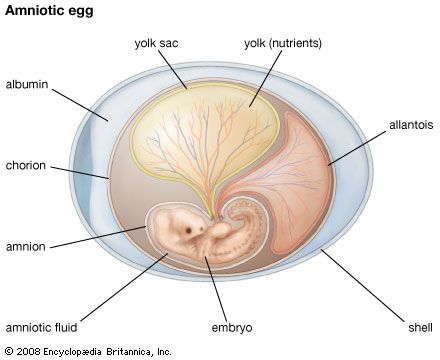
The Amniota are a clade of tetrapods defined by a critical evolutionary adaptation: the development of the embryo within a set of protective extra-embryonic membranes known as the amnion, chorion, and allantois.1
Key characteristics of this group include:
- Extra-embryonic Membranes: These membranes create a fluid-filled environment that protects the embryo from desiccation and physical shock. The amnion provides a protective, fluid-filled chamber, while the allantois functions as a site for gas exchange and the collection of metabolic waste.12
- Terrestrial Adaptation: This membrane system allowed amniotes to reproduce in terrestrial environments by depositing eggs that are independent of standing water. In many species, these eggs are further protected by a hard or leathery shell.1
- Diverse Reproduction: While many amniotes lay eggs, most mammals and some lizards utilize these membranes to form a placenta, which facilitates nutrient and waste exchange between the mother and the developing fetus.1
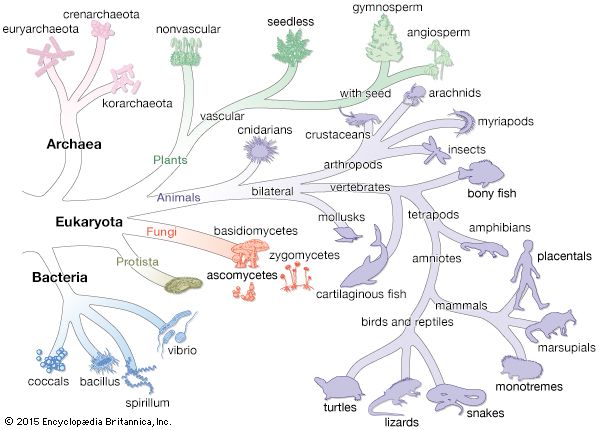
The group includes all living reptiles, birds, and mammals.1
How do amniotes differ from anamniotes in terms of reproduction and early development?
The primary distinction between amniotes and anamniotes lies in the presence of specialized extra-embryonic membranes that facilitate development in terrestrial environments.12
Amniotes
Amniotes—a group including reptiles, birds, and mammals—are defined by the development of the embryo within three protective membranes: the amnion, chorion, and allantois.1
- Function: These membranes create a fluid-filled, self-contained environment that protects the embryo from desiccation and physical shock. The allantois serves as a site for gas exchange and waste storage.12
- Reproduction: This adaptation allowed amniotes to reproduce on land, often by laying eggs protected by a shell or, in the case of most mammals, by forming a placenta to exchange nutrients and waste with the mother.1
Anamniotes
Anamniotes, which include amphibians and certain extinct groups, lack these specific extra-embryonic membranes.1
- Development: Their embryos typically develop in water or moist environments, relying on gelatinous capsules rather than protective shells.23
- Waste and Gas Exchange: Because they lack the allantois, anamniote embryos rely on the diffusion of gases and metabolic wastes (primarily ammonia) through the surrounding water or perivitelline fluid.23
What are some of the earliest known fossil records of amniotes?
The fossil record for the earliest amniotes is relatively sparse, particularly when compared to later periods like the Permian or Mesozoic. While it is estimated that the lineage diverged during the Early Pennsylvanian Epoch (approximately 318 to 312 million years ago), direct fossils from this specific timeframe are currently lacking.67
The most notable early evidence comes from the Middle Pennsylvanian Epoch (312 to 307 million years ago), where fossils of early reptiles and synapsids appear together in the same fossil beds. Among these, the captorhinid Hylonomus is recognized as one of the earliest known reptiles. These small animals, measuring less than 0.3 meters (1 foot) in length, were discovered preserved within the cavities of rotting lycopod tree stumps in Nova Scotia.676
These early amniotes are significant because they represent the successful transition to a fully terrestrial lifestyle, facilitated by the evolution of extra-embryonic membranes that allowed for reproduction independent of standing water.67
How do the eggs of amniotes differ from those of non-amniotic animals?
Amniotic eggs are distinguished by their ability to support development in terrestrial environments, functioning as self-contained, closed systems. In contrast, non-amniotic animals, such as amphibians, typically produce gelatinous eggs that must be laid in water or moist environments to prevent desiccation and facilitate the diffusion of metabolic wastes like ammonia.29
Key differences include:
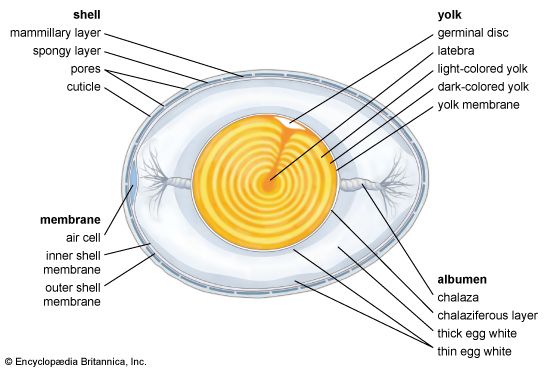
- Protective Shells: Amniotes produce eggs encased in a resistant or rigid shell that restricts water evaporation while allowing for essential gas exchange.210
- Embryonic Membranes: Amniotic eggs contain three specialized membranes—the amnion, chorion, and allantois—which protect the embryo from physical shock and drying.2
- Waste Management: Because amniotic shells are impermeable to nitrogenous waste, these embryos store waste as insoluble, nontoxic uric acid within the allantois, whereas non-amniotes rely on the surrounding water to carry away waste.2
These adaptations allow amniotes to reproduce independently of standing water, a critical evolutionary shift for life on land.210
Sources
- Amniota — Encyclopædia Britannica
- Animal development - Adaptations in animals other than mammals — Encyclopædia Britannica
- Reproductive behaviour - Amphibians — Encyclopædia Britannica
- amphibian - Reproduction — Encyclopædia Britannica
- amphibian - Embryonic stage — Encyclopædia Britannica
- Carboniferous Period - Amphibians and early reptiles — Encyclopædia Britannica
- amphibian - Evolution and classification — Encyclopædia Britannica
- reptile - Historical development — Encyclopædia Britannica
- Vertebrate: Top Questions — Encyclopædia Britannica
- Sex - Mating modifications imposed by the land environment — Encyclopædia Britannica
Published on · 3 min read