Chiru
The chiru (Pantholops hodgsoni), also known as the Tibetan goat antelope, plays a vital role in the high-altitude ecosystem of the Tibetan Plateau as a…
What role does the chiru play in its ecosystem?
The chiru (Pantholops hodgsoni), also known as the Tibetan goat antelope, plays a vital role in the high-altitude ecosystem of the Tibetan Plateau as a primary consumer and a key prey species.12
As a grazer, the chiru feeds on low alpine grasses, forbs, and shrubs, sometimes excavating these food sources from beneath the snow. In turn, it serves as a significant food source for high-altitude predators, including wolves, snow leopards, and lynxes.1
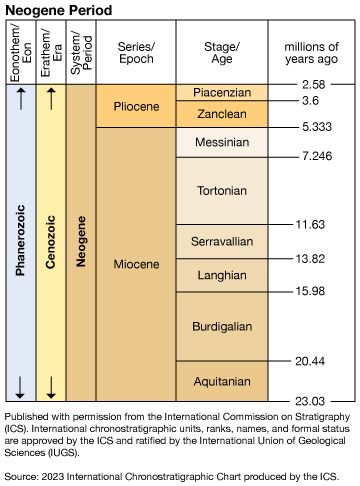
Beyond its direct interactions, the chiru is ecologically unique as the only genus of large mammals endemic to the Tibetan Plateau1. It represents the last remnant of a distinct lineage of ruminants that diverged from sheep and goat ancestors during the Neogene Period1. Unfortunately, the species faces severe threats from poaching, which has significantly reduced its population and jeopardized its continued role in this fragile environment.1
What is the taxonomic classification of the chiru?
The taxonomic classification of the chiru (Pantholops hodgsonii) is as follows:
- Order: Artiodactyla
- Family: Bovidae
- Subfamily: Antilopinae (specifically within the tribe Saigini)
While the chiru was historically classified within the subfamily Caprinae alongside sheep and goats, it is now often placed within the Antilopinae. Despite its common name, the Tibetan goat antelope, it is not a true antelope or gazelle; rather, it represents a unique lineage of ruminants that diverged from other goat-antelope groups during the Neogene Period.13
What is the diet of the chiru and how does it obtain food in its harsh environment?
The chiru (Pantholops hodgsonii), a ruminant native to the high alpine steppes of the Tibetan Plateau, maintains a diet consisting of low alpine grasses, forbs, and shrubs.1
To survive in its harsh, high-altitude environment, the chiru has adapted to forage even when food sources are obscured by winter conditions. When necessary, the animal uses its muzzle and legs to excavate vegetation from beneath the snow. As a ruminant, the chiru is biologically equipped to process these fibrous plant materials efficiently, allowing it to extract nutrients from the sparse vegetation available in its extreme climate.15
Despite these adaptations, the species remains vulnerable to the environment; sudden, heavy snowfalls can limit access to food, leading to starvation, and the species faces additional pressure from poaching.1
What is a chiru and where is it primarily found?
The chiru (Pantholops hodgsonii) is a graceful, gregarious mammal belonging to the family Bovidae. Although it is often referred to as an antelope-like animal, it is not a true antelope or gazelle. Instead, it represents a unique lineage of ruminants that diverged from sheep, goats, and goat antelopes during the Neogene Period.1
The chiru is endemic to the high alpine steppes of the Tibetan Plateau, where it survives in an extreme climate. It is the only genus of large mammals native to this region. While historically abundant across the plateau and surrounding high-elevation areas, the species has faced significant population declines due to poaching for its fine wool, leading to an uncertain future for the population.1
Sources
- chiru — Encyclopædia Britannica
- Kunlun Mountains - Plant and animal life — Encyclopædia Britannica
- chiru — Merriam-Webster
- artiodactyl - Annotated classification — Encyclopædia Britannica
- artiodactyl - Food habits — Encyclopædia Britannica
- antelope — Encyclopædia Britannica
Published on · 2 min read