Bonobo
While bonobos (Pan paniscus) are often compared to chimpanzees, they possess distinct physical traits that set them apart from other great apes.
What are the key physical characteristics that distinguish bonobos from other great apes?
While bonobos (Pan paniscus) are often compared to chimpanzees, they possess distinct physical traits that set them apart from other great apes.
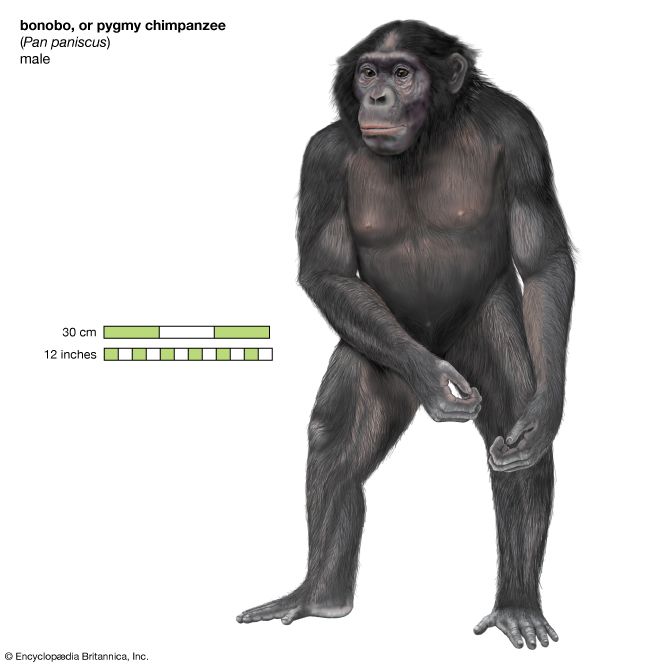
Key physical characteristics of the bonobo include:
- Slender Build: Bonobos are generally more slender than chimpanzees, featuring longer limbs and a narrower chest.1
- Cranial Features: They have a rounder head compared to other apes and a face that is less protruding.1
- Size: While they are similar in height to chimpanzees—standing approximately 115 cm (3.8 feet) tall when erect—they are typically lighter in weight, with males averaging about 39 kg (86 pounds) and females about 31 kg.1
Like other great apes, bonobos are tailless, possess an appendix, and exhibit complex cognitive abilities. They are also characterized by their use of quadrupedal knuckle-walking when moving on the ground.231
What is the geographic distribution of bonobos in the wild?
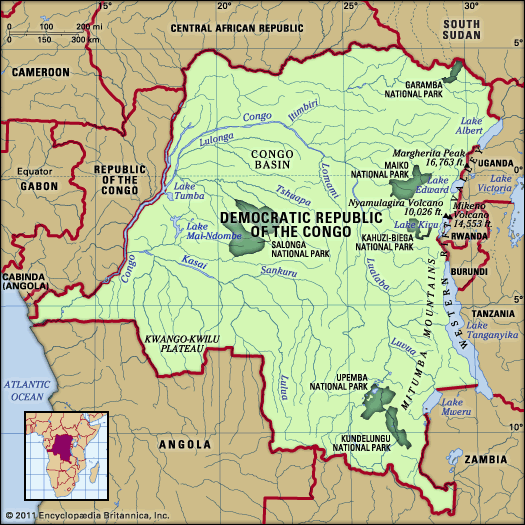
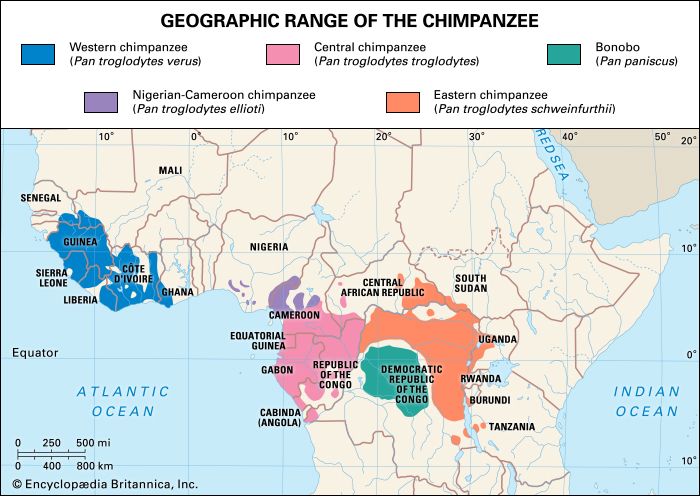
In the wild, bonobos (Pan paniscus) have a highly restricted geographic distribution. They are found exclusively in the lowland rainforests located along the south bank of the Congo River within the Democratic Republic of the Congo.2
Due to habitat loss and illegal hunting, their populations have declined significantly, leading the International Union for Conservation of Nature to classify them as an endangered species.2
How do bonobos communicate with each other?
Bonobos communicate through a variety of methods, though they do not possess the neural circuitry required for human-like speech. While they have the physical capacity—including mobile lips and tongues—to produce sounds, they lack the necessary neurological structures to develop articulate language.2
In the wild, bonobos utilize vocalizations and gestures to interact within their communities. Their communication is also deeply tied to their social behaviors; for instance, they use a variety of sexual behaviors to promote social bonding among both males and females, as well as between different age groups.6
Research on captive bonobos has demonstrated that they possess the cognitive potential to comprehend and use symbols to communicate with humans and one another. However, it remains to be demonstrated whether they utilize this symbolic capacity in the same way within their natural habitats. Unlike chimpanzees, bonobos have not been observed engaging in lethal aggression, and their social interactions are generally characterized by an egalitarian and peaceful nature, which may influence how they convey information and maintain group cohesion.26
What role do female bonobos play in bonobo society?
In bonobo society, females play a central and influential role, serving as the core of most social groups. Unlike many other primate species where males dominate, bonobo society is characterized by an egalitarian and peaceful structure where females exert significant influence.7
Key aspects of the female role include:
- Social Core: Females and their young form the foundation of bonobo communities. While males are present, they often tend to follow the lead of mature females.7
- Coalition Building: Female bonobos frequently unite against adult males, which prevents the males from dominating them despite their larger physical size.7
- Maternal Support: Mothers play an active role in their offspring’s lives, specifically helping their adult sons promote and maintain their dominance rank within the group.7
- Social Bonding: Females prioritize social cohesion by grooming and sharing food primarily with other females. They also utilize various sexual behaviors to promote bonding across the community, regardless of age or sex.7
This female-centered social dynamic contributes to the overall peaceful nature of bonobo communities, which lack the lethal aggression and territorial violence observed in chimpanzees.7
Sources
- chimpanzee — Encyclopædia Britannica
- bonobo — Encyclopædia Britannica
- What’s the Difference Between Monkeys and Apes? — Encyclopædia Britannica
- ape — Encyclopædia Britannica
- bongo — Encyclopædia Britannica
- human evolution - Speech and symbolic intelligence — Encyclopædia Britannica
- chimpanzee - Social behaviour — Encyclopædia Britannica
- Dominance hierarchy — Encyclopædia Britannica
- Animal social behavior - Dominance — Encyclopædia Britannica
Published on · 3 min read