Buffalo Grass
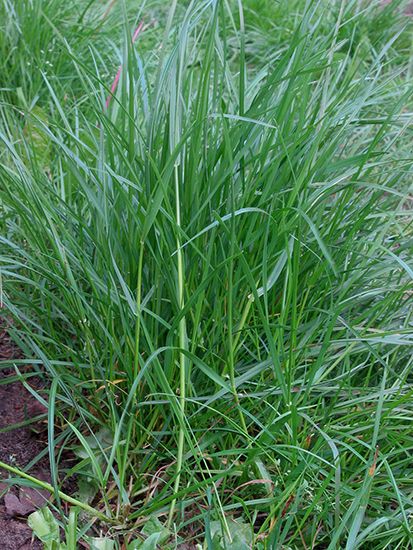
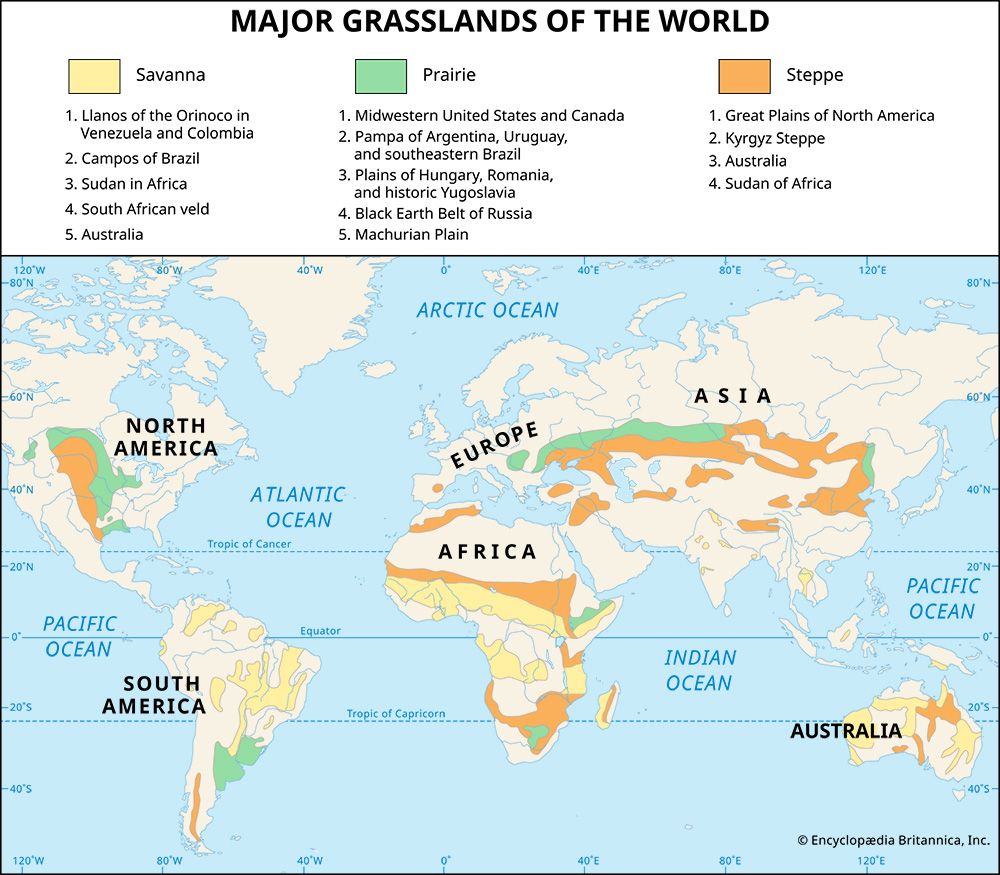
Buffalo grass (Bouteloua dactyloides) is a low-growing perennial grass belonging to the family Poaceae. Native to the short-grass and mixed-grass prairies of…
What is Buffalo grass?
Buffalo grass (Bouteloua dactyloides) is a low-growing perennial grass belonging to the family Poaceae. Native to the short-grass and mixed-grass prairies of North America, it is a drought-tolerant species characterized by its gray-green curly leaves and its ability to form dense turf through creeping stolons.12
Historically, the thick sod created by this plant was utilized by early settlers to construct dwellings. Today, it serves as an important year-round forage grass and is occasionally cultivated as an ornamental or lawn grass, although its extended winter dormancy can be a drawback for some gardeners. The plant is relatively small, typically reaching heights of less than 20 cm (8 inches), and features separate male and female flowers, with seeds developing within burlike fruits.1
What are stolons and how do they help plants spread?
A stolon, also commonly referred to as a runner, is a specialized, slender horizontal stem that grows along the surface of the ground. These structures are a key mechanism for vegetative reproduction, a form of asexual propagation that allows plants to expand and colonize new areas.345
Stolons facilitate plant spread through the following process:
- Horizontal Growth: The stem extends outward from the parent plant, moving across the soil surface.34
- Node Development: Along these stems are specialized points called nodes, which feature scale leaves.34
- Rooting and Branching: When these nodes make proper contact with moist soil, they develop adventitious roots and new aerial (vertical) branches.34
- New Plantlets: Once rooted, these nodes give rise to independent plantlets, effectively creating a new individual that is a genetic clone of the parent.54
This method is famously utilized by plants such as the strawberry and various mat-forming grasses, allowing them to spread rapidly and efficiently without the need for seeds.46
Why was buffalo grass used by early settlers to build homes?
Early settlers on the North American prairie used buffalo grass to build homes because the plant forms a dense turf and thick sod. In regions where timber and other traditional building materials were scarce, this tough, interconnected root system provided a durable resource for construction.7
Settlers cut this thick sod into blocks and laid them in horizontal layers to create the walls of a sod house, a practical and effective shelter for life on the plains. The ability of buffalo grass to create such a resilient, compact mat made it an essential material for survival in the challenging environment of the central plains.871
What does it mean for a plant to be drought-tolerant?
Drought tolerance refers to a plant’s ability to survive and function in environments where water is limited. Plants achieve this through two primary strategies: drought resistance and drought evasion.910
Drought-Resistant Adaptations
Drought-resistant plants, often called xerophytes, possess physiological and physical mechanisms to prevent water loss or store water. These include:9
- Water Storage: Succulents store moisture in thick, fleshy stems or leaves.9
- Transpiration Control: Plants regulate transpiration—the loss of water through leaf stomata—by closing pores during the heat of the day or using alternative photosynthetic pathways like crassulacean acid metabolism (CAM).11
- Physical Barriers: Waxy cuticles, dense hair coverings (trichomes), or sunken stomata help protect the plant from drying air currents.911
- Metabolic Adjustment: Some species can nearly cease growth during severe moisture shortages, resuming only when conditions improve.10
Drought-Evasive Adaptations
Drought-evasive plants avoid the most severe conditions by timing their life cycles to coincide with periods of adequate moisture. These plants typically mature quickly and complete their primary growth during cooler or wetter seasons before drought conditions become extreme.10
Sources
- Buffalo grass — Encyclopædia Britannica
- buffalo grass — Merriam-Webster
- Stolon — Encyclopædia Britannica
- Vegetative reproduction — Encyclopædia Britannica
- Angiosperm - Shoot system modifications — Encyclopædia Britannica
- Stenotaphrum — Encyclopædia Britannica
- Prairie — Encyclopædia Britannica
- sod house — Merriam-Webster
- Xerophyte — Encyclopædia Britannica
- Dry farming — Encyclopædia Britannica
- Transpiration — Encyclopædia Britannica
- Why Do Plants Wilt? — Encyclopædia Britannica
Published on · 3 min read