Cassia
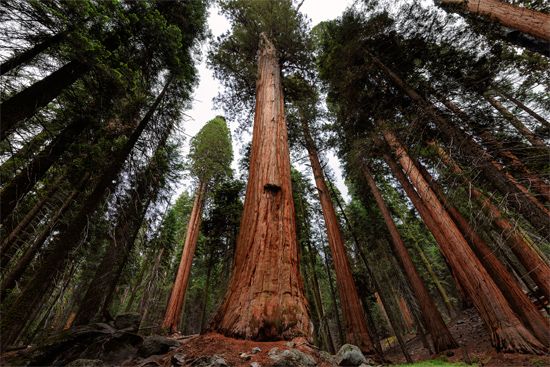
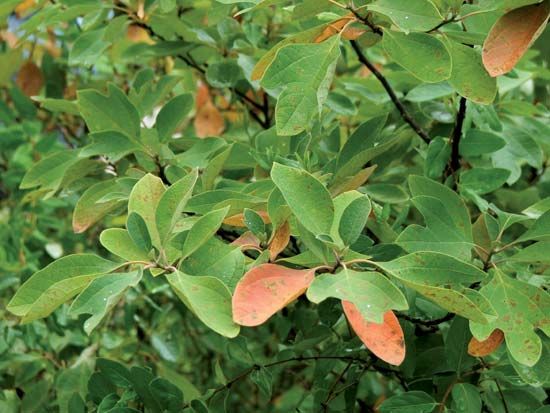
Cassia (Cinnamomum cassia) is a tree belonging to the Lauraceae family, widely known for the spice produced from its aromatic bark. While often confused with…
What is cassia?
Cassia (Cinnamomum cassia) is a tree belonging to the Lauraceae family, widely known for the spice produced from its aromatic bark. While often confused with true cinnamon, cassia bark is thicker and possesses a more pungent, less delicate flavor. It contains a volatile oil rich in cinnamic aldehyde and is a key ingredient in Chinese five-spice powder.1
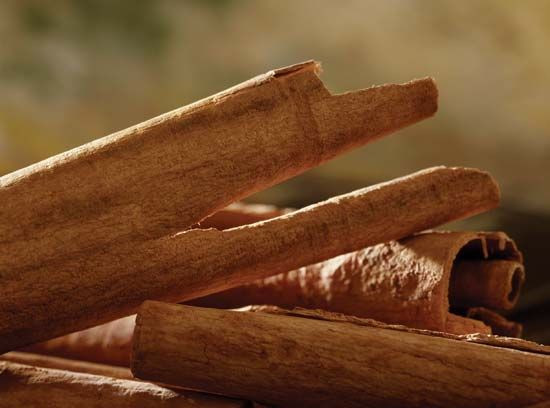
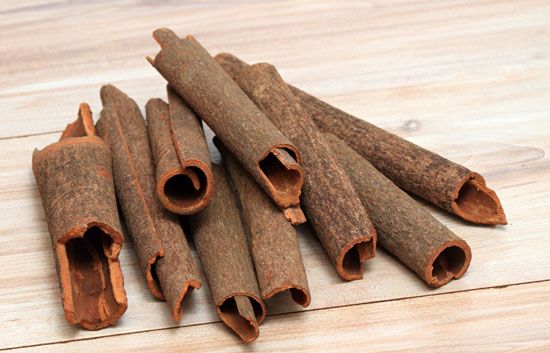
The spice is harvested by peeling bark from stems and branches, which then curls into quills as it dries. Additionally, the tree produces cassia buds—the dried, unripe fruits—which offer a similar warm, sweet, and pungent aroma.12
It is important to note that the name “cassia” can be confusing, as Cassia is also the scientific genus name for a group of leguminous plants that serve as the source of senna leaves, which are distinct from the spice-producing Cinnamomum trees.1
How is true cinnamon harvested and processed?
True cinnamon (Cinnamomum verum) is harvested primarily during the wet season, when growers cut the tree’s shoots close to the ground.3
The processing of the bark involves several precise steps:
- Preparation: The harvested shoots are first scraped with a semicircular blade.
- Loosening: The bark is rubbed with a brass rod to loosen it from the wood.
- Peeling: The bark is split with a knife and carefully peeled away.
- Shaping: The peels are telescoped into one another to form a cylindrical quill, typically about 107 cm (42 inches) long, which is filled with trimmings of the same quality bark to maintain its shape.
- Drying: The quills are dried for four or five days, then rolled on a board to tighten the filling. They are subsequently placed in subdued sunlight for further drying.
- Finishing: Finally, the quills are bleached with sulfur dioxide and sorted into various grades for market.3
What are the ingredients in Chinese five-spice powder?
Chinese five-spice powder is a traditional blend of five dried spices. While variations exist, the standard combination includes:
- Fennel seeds
- Cassia (Chinese cinnamon)
- Cloves
- Star anise
- Szechuan pepper56
These components are thought to represent the five classical flavors of traditional Chinese cuisine: salty, bitter, aromatic, sweet, and sour. The blend is designed to create a harmonious balance, where the licorice notes of star anise and the sweetness of cassia are accented by the slightly numbing effect of Szechuan pepper.5
Beyond its culinary use in dishes ranging from roast meats to rice, the powder is also utilized in traditional Chinese medicine as a remedy for indigestion.5
What is the difference between the spice cassia and the plant genus Cassia?
The term “cassia” is often confused because it refers to two distinct botanical categories.
The spice known as cassia is derived from the bark of several tropical trees within the genus Cinnamomum, specifically Cinnamomum cassia. This spice is closely related to true cinnamon but is generally thicker, more pungent, and less delicate in flavor. It is a common ingredient in Chinese five-spice powder and is frequently sold as ground cinnamon in North America.19
In contrast, Cassia is the scientific genus name for an extensive group of leguminous plants—including herbs, shrubs, and trees—that are entirely unrelated to the spice. These plants are primarily known for other uses, most notably as the source of senna leaves, which are used for their medicinal properties.19
While the spice and the plant genus share a name, they belong to different botanical families and serve very different purposes in culinary and medicinal contexts.19
Sources
- cassia — Encyclopædia Britannica
- cassia bud — Merriam-Webster
- cinnamon: Top Questions — Encyclopædia Britannica
- cinnamon — Encyclopædia Britannica
- Chinese five-spice powder — Encyclopædia Britannica
- star anise — Encyclopædia Britannica
- Chinese five-spice powder — Merriam-Webster
- five-spice powder — Merriam-Webster
- cassia — Merriam-Webster
Published on · 3 min read