Star Anise
Star anise is the dried fruit of the evergreen star anise tree (Illicium verum), a plant indigenous to southeastern China and Vietnam. Named for the starlike…
What is star anise?
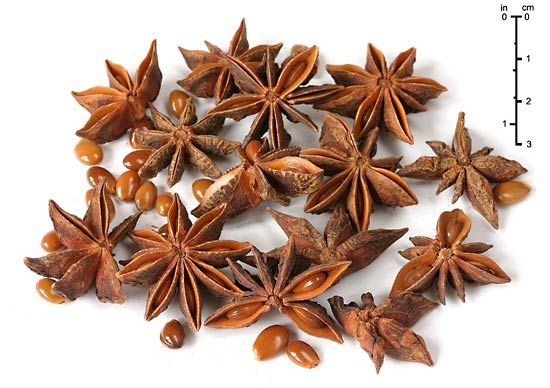
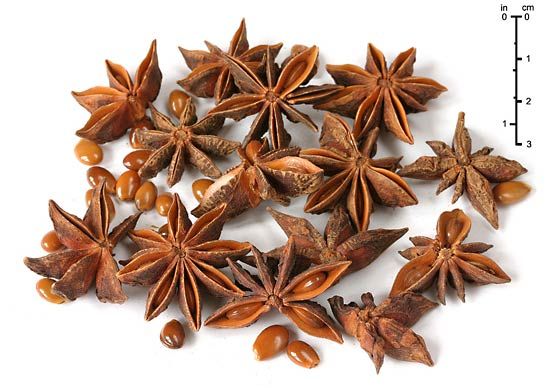
Star anise is the dried fruit of the evergreen star anise tree (Illicium verum), a plant indigenous to southeastern China and Vietnam. Named for the starlike arrangement of its six to eight carpels, the spice contains the aromatic compound anethole, which provides a distinct licorice flavor.12
As a spice, it is a key ingredient in Chinese five-spice powder and is used to season the Vietnamese dish pho. Beyond culinary applications, it is a significant source of shikimic acid, a chemical used in the synthesis of the anti-influenza drug oseltamivir. It also features in Chinese traditional medicine and the production of perfumes and liqueurs. Users should exercise caution, as the spice can be contaminated by toxic related species, such as the Japanese star anise.12
How is star anise different from regular anise seeds?
Although star anise and anise share a similar licorice flavor due to the presence of the aromatic compound anethole, they are entirely unrelated plants.34
The primary differences include:
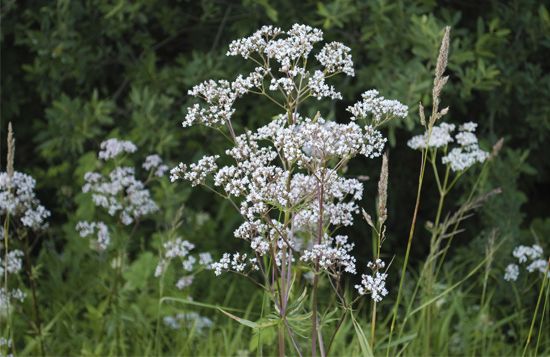
- Botanical Classification: Star anise (Illicium verum) is an evergreen tree in the family Schisandraceae, native to China and Vietnam. In contrast, anise (Pimpinella anisum) is an annual herb in the parsley family (Apiaceae), native to the eastern Mediterranean and Egypt.34
- Physical Form: Star anise is named for its fruit, which features six to eight carpels arranged in a star shape. Anise produces small, ovoid fruits known as aniseed, which are roughly 3.5 mm long.314
- Flavor Intensity: While both provide a licorice-like taste, star anise is generally considered to have a stronger flavor profile than common anise.5
What are the ingredients in Chinese five-spice powder?
Chinese five-spice powder is a traditional blend of five dried spices that serves as a foundational seasoning in Chinese cuisine. While variations exist, the standard combination typically includes:
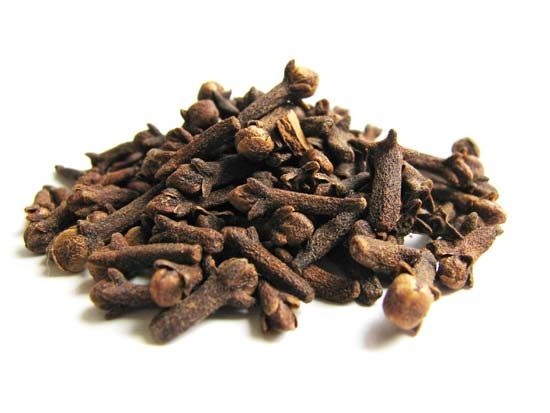
These ingredients are thought to represent the five classical flavors of traditional Chinese cooking—salty, bitter, aromatic, sweet, and sour—creating a balanced profile that blends warm, cool, bitter, and sweet notes. The mixture is widely used to flavor a variety of dishes, ranging from roast meats to simmered rice, and is also utilized in traditional Chinese medicine as a remedy for indigestion.7
Why is Japanese star anise considered toxic?
Japanese star anise (Illicium anisatum) is considered toxic because its fruit contains poisonous compounds that are harmful to humans. While it is a relative of the edible Chinese star anise (Illicium verum), it is not safe for consumption.913
The primary danger associated with this plant is the risk of contamination. Because Japanese star anise and other related species, such as the Guangdong star anise (Illicium lanceolatum), are toxic, they can pose a significant health risk if they are accidentally mixed with or substituted for the culinary-grade Chinese star anise. Due to their physical similarities, it is important to ensure that any star anise used for cooking or medicinal purposes is correctly identified as the edible variety.13
Sources
- star anise: Top Questions — Encyclopædia Britannica
- star anise — Merriam-Webster
- star anise — Encyclopædia Britannica
- star aniseed — Merriam-Webster
- aniseed star — Merriam-Webster
- anise — Encyclopædia Britannica
- Chinese five-spice powder — Encyclopædia Britannica
- five-spice powder — Merriam-Webster
- Japanese star anise — Merriam-Webster
Published on · 2 min read