Clare Island
Clare Island is an island located at the entrance to Clew Bay in County Mayo, Ireland. Covering approximately 6 square miles (16 square km), the island is…
What is Clare Island?
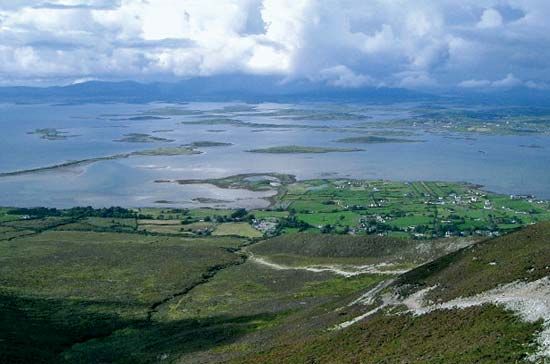
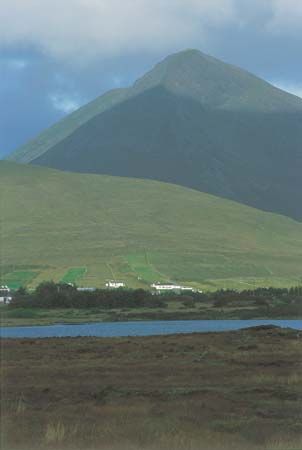
Clare Island is an island located at the entrance to Clew Bay in County Mayo, Ireland. Covering approximately 6 square miles (16 square km), the island is characterized by its rugged landscape, including quartzite hills that rise to 1,507 feet (459 metres) and the prominent scarped cliff known as Knockmore. Due to its exposure to sea winds, tree growth on the island is stunted, though small areas of farmland exist on the east and south sides.1
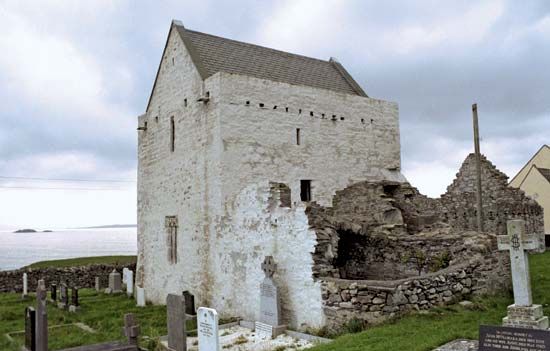
Historically, the island is notable as the home of the 16th-century pirate queen Gráinne O’Malley, also known as Gráinne Uaile or ní Mháille, who is buried in the island’s 1224 Carmelite abbey.1
It is important to note that Clare Island is distinct from County Clare, which is a separate administrative county located in the province of Munster in western Ireland.2
Who was Grace O’Malley and why was she known as the Pirate Queen?
Grace O’Malley (Gráinne Ní Mháille), born in 1530, was a formidable Irish leader and maritime figure often referred to as the “Pirate Queen.” Raised in a seafaring clan led by her father, she spent her life aggressively defending her property and seizing the assets of others, earning her reputation as a ruthless and fearless buccaneer.3
Her status as a “Pirate Queen” was cemented by her command of seafaring operations and her legendary tenacity. According to lore, she once gave birth aboard a ship and returned to combat the following day to defend her vessel. Her influence was significant enough that she famously secured an audience with Queen Elizabeth I to demand the release of her captured family members, a request the queen ultimately granted.3
What are the unique features of Clew Bay in Ireland?
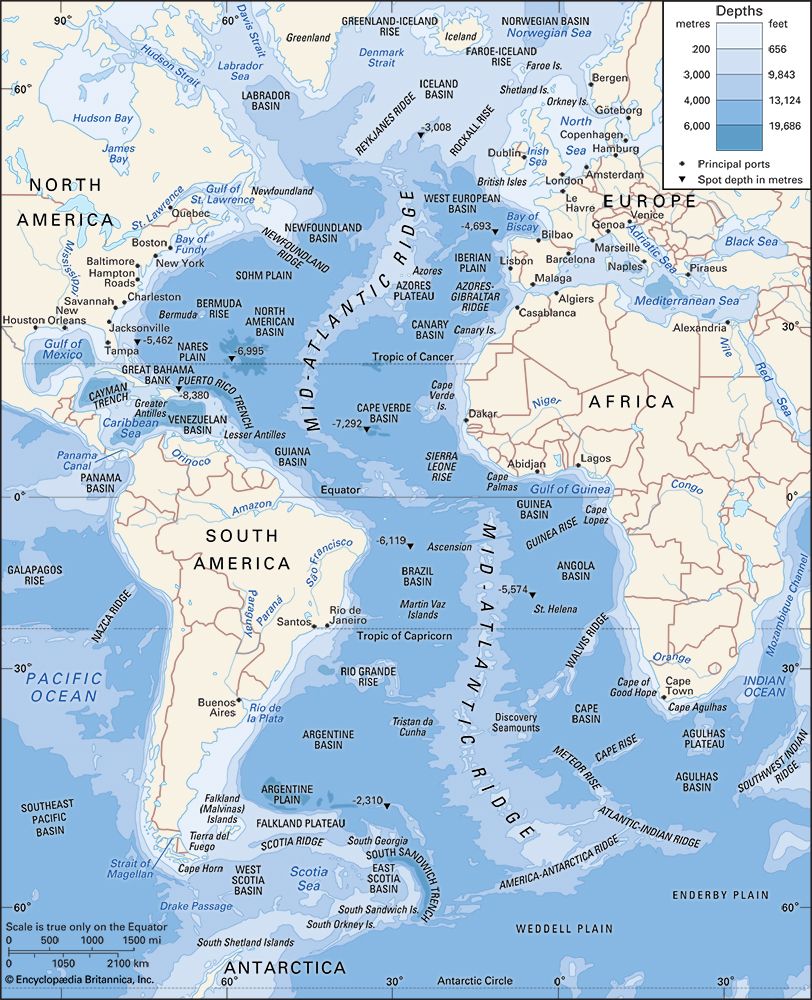
Clew Bay is a sheltered inlet on the Atlantic coast of County Mayo, Ireland, measuring approximately 10 miles from east to west and 7 miles from north to south. Its geography is defined by several distinct features:
- Mountainous Boundaries: The bay is framed by the Nephin Beg range to the north and the iconic Croagh Patrick to the south. Croagh Patrick, a 2,510-foot quartzite peak, is a significant cultural site associated with St. Patrick and remains a destination for annual pilgrimages.45
- Archipelago of Drumlins: A unique characteristic of the bay’s inner region is its collection of small islands. These were formed as drumlins, which are long, oval-shaped mounds created by glacial activity.4
- Coastal Extensions: The bay is further defined by the Corraun Peninsula and Achill Island to the west, while Clare Island sits prominently at the bay’s mouth.4
How does the climate of coastal islands affect local plant life?
The climate of coastal islands significantly influences local plant life by creating specific environmental conditions that dictate which species can thrive.
In temperate regions like Ireland, the western maritime climate—characterized by mild temperatures and high precipitation—is particularly beneficial for expansive grasslands. The equable climate, influenced by the Atlantic Ocean and the North Atlantic Current, allows for a diverse range of flora, including hardy species in the western highlands and plants with Mediterranean or North American origins. Furthermore, the rocky Atlantic coastline supports specialized marine vegetation such as Irish moss, a type of red algae that grows abundantly in shallow waters.678
In contrast, subtropical coral islands like Bermuda feature a mild, humid, and equable climate that supports distinct vegetation, including flowering shrubs such as bougainvillea, oleander, hibiscus, and poinsettia, alongside trees like mangrove, palm, and pine. On these islands, the porous nature of the limestone soil and the reliance on rainfall for water supply are critical factors for plant survival.9
Sources
- Clare Island — Encyclopædia Britannica
- Clare — Encyclopædia Britannica
- Swashbuckling Sisters: 6 Lady Pirates — Encyclopædia Britannica
- Clew Bay — Encyclopædia Britannica
- Croagh Patrick — Encyclopædia Britannica
- Ireland - Climate — Encyclopædia Britannica
- Bermuda - Land — Encyclopædia Britannica
- Ireland - Plant and animal life — Encyclopædia Britannica
- Irish moss — Encyclopædia Britannica
Published on · 3 min read