Cold Desert
A cold desert is a large, arid region that typically receives less than 25 cm (9.8 inches) of annual precipitation, which falls primarily as snow or fog.…
What is a cold desert?
A cold desert is a large, arid region that typically receives less than 25 cm (9.8 inches) of annual precipitation, which falls primarily as snow or fog. Unlike hot deserts, which are located in subtropical regions, cold deserts are found at higher latitudes, often in temperate regions at high elevations, on plateaus, or in mountainous areas.12
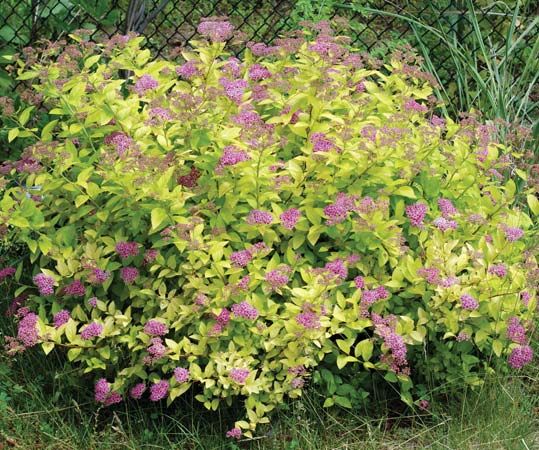
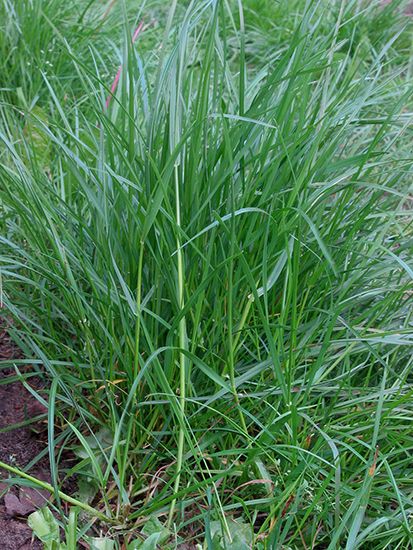
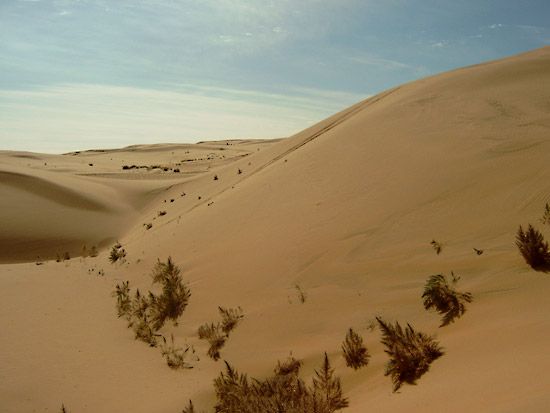
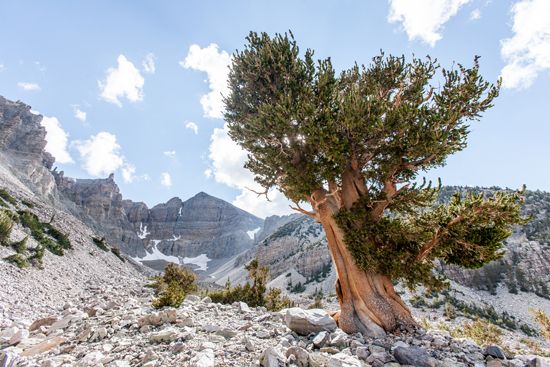
These environments are often created by their distance from humid coastal winds or by their position in the rain shadow of mountain ranges, where moisture is blocked before it can reach the area. Cold deserts experience significantly colder temperatures than hot deserts, particularly during the winter months. Vegetation is generally sparse, consisting mainly of shrubs and grasses that have adapted to frigid, dry conditions.12
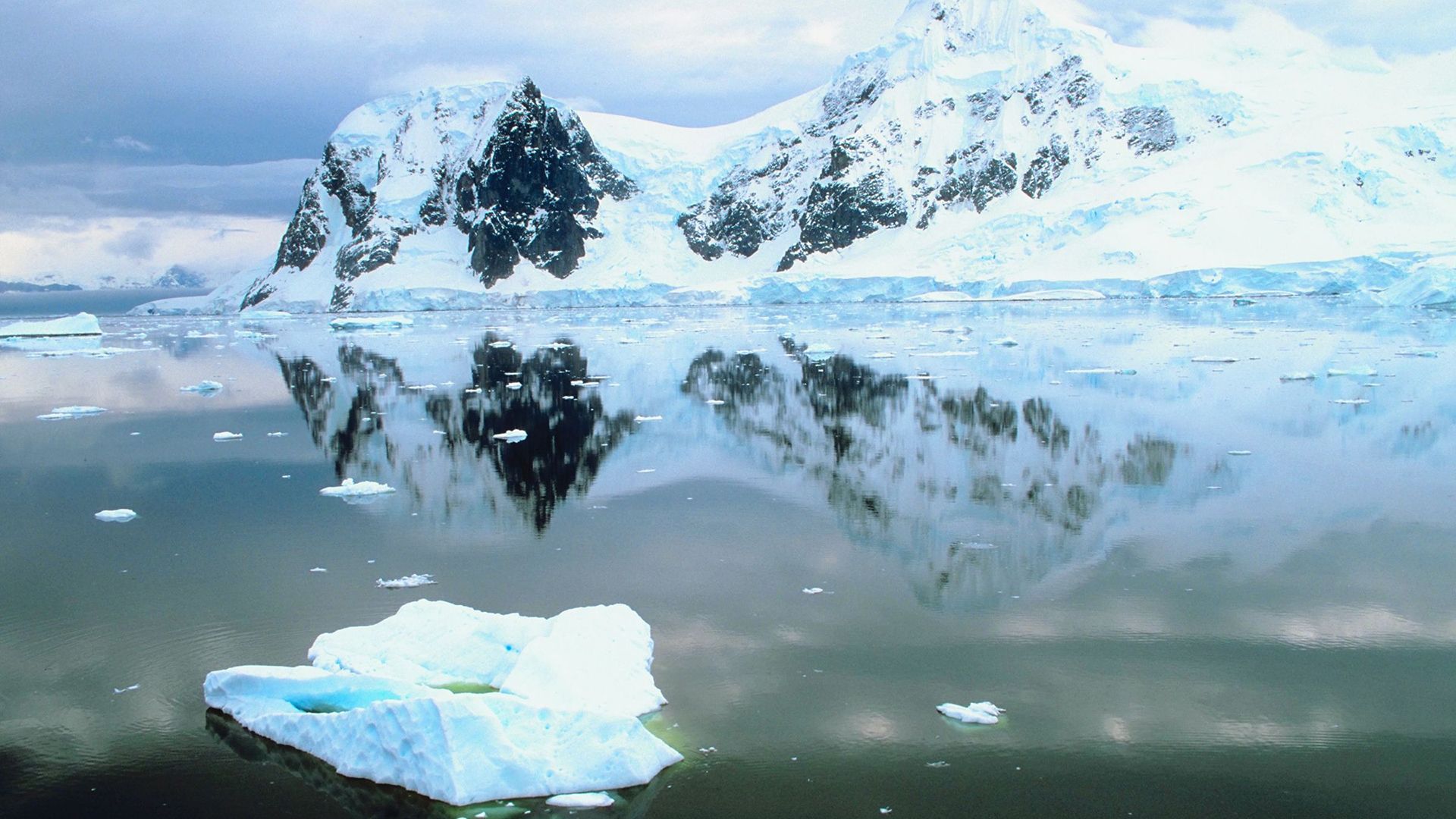
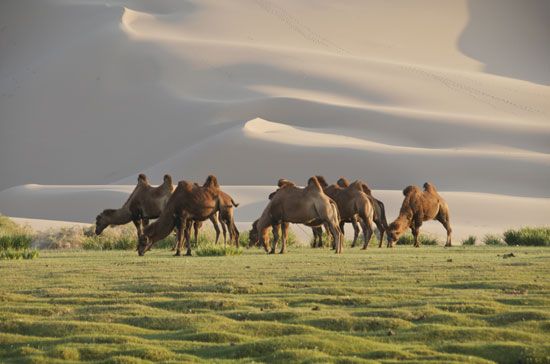
Examples include the Gobi Desert in Central Asia and the Great Basin Desert in the United States. Polar deserts, such as those in the Arctic and Antarctica, are a specific type of cold desert characterized by extreme, long-lasting cold and limited liquid water.1
How is a cold desert different from a hot desert?
While both cold and hot deserts are defined by a severe shortage of moisture, they differ primarily in their geographic location, temperature profiles, and the atmospheric conditions that create their arid environments.2
Key Differences
- Geographic Location: Hot deserts are typically found in subtropical regions, roughly 15° to 30° latitude, beneath descending dry air masses associated with the Hadley cell. In contrast, cold (or temperate) deserts occur at higher latitudes or in high-elevation areas, often separated from coastal moisture by mountain ranges or extreme distance from the coast.2
- Temperature: Hot deserts experience extreme heat, with summer daytime temperatures often exceeding 40 °C (104 °F). Cold deserts experience significantly lower temperatures, particularly during winter, due to their higher latitudes or elevations.2
- Causes of Aridity: Hot deserts are largely created by global atmospheric circulation patterns that inhibit rainfall. Cold deserts are primarily caused by their remoteness from moisture-bearing winds or by being situated in the rain shadow of mountains.2
Despite these differences, both types share similar environmental features, including sparse vegetation, immature soils, and a general lack of available water for plants.2
Where are cold deserts commonly found in the world?
Cold deserts are typically found in temperate regions at high elevations, on plateaus, or in mountainous areas, as well as in high-latitude polar regions.1
Geographically, they are distributed across several parts of the world:
- Central Asia: Home to the Gobi Desert, which is situated in the rain shadow of the Himalayas, and other arid areas within the Eurasian Steppe, such as the Karakum Desert.16
- North America: Includes the high-elevation Great Basin Desert in the United States, which exists in the rain shadow of the Sierra Nevada. Sierra Nevada.1
- South America: Includes Patagonia in Argentina and Chile, as well as the Atacama Desert in Chile.16
- Polar Regions: The Arctic and Antarctica contain vast polar deserts, which are characterized by extreme cold and limited liquid water.16
What is the climate like in a cold desert?
Cold deserts are characterized by an arid environment with scant annual precipitation, which typically falls as snow or fog rather than rain. These regions are located at higher latitudes or elevations than hot deserts, resulting in significantly colder temperatures, particularly during the winter months.21
Key climatic features of cold deserts include:
- Temperature: Winters are long and cold, with average temperatures often falling below freezing. In some regions, such as the Gobi Desert, temperatures can drop to as low as −40 °C (−40 °F) in winter. Polar deserts, a specific type of cold desert, experience extremely short summers with mean temperatures below 10 °C (50 °F) and winter temperatures that can reach −40 °C (−40 °F) or lower.2
- Precipitation: Annual precipitation is very low, generally considered to be less than 25 centimeters (about 9.8 inches). In many cold deserts, such as the Great Basin Desert, much of this moisture arrives as snowGreat Basin Desert](https://www.britannica.com/place/Great-Basin), much of this moisture arrives as snow.21
- Aridity Causes: These climates are created by their distance from moisture-bearing coastal winds or by their position in the rain shadow of mountain ranges, which block humid air from reaching the region.12
Sources
- Cold desert — Encyclopædia Britannica
- Desert - Environment — Encyclopædia Britannica
- North American Desert - Physiography — Encyclopædia Britannica
- North American Desert - Plant life — Encyclopædia Britannica
- Tropical and subtropical desert climate — Encyclopædia Britannica
- How Do Deserts Form? — Encyclopædia Britannica
- Sahara - Climate of the Sahara — Encyclopædia Britannica
- Highland climate — Encyclopædia Britannica
- North American Desert - Climate — Encyclopædia Britannica
Published on · 3 min read