How Do Deserts Form?
Deserts are primarily defined by a severe shortage of moisture, typically receiving less than 250 millimeters (10 inches) of precipitation annually…
How Do Deserts Form?
Deserts are primarily defined by a severe shortage of moisture, typically receiving less than 250 millimeters (10 inches) of precipitation annually millimeters (10 inches) of precipitation annually. Their formation is driven by several key atmospheric and geographic factors:1
Atmospheric Circulation
Most hot deserts are located in subtropical regions, roughly 15° to 30° latitude, beneath the descending branches of the Hadley cell. Near the Equator, warm, moist air rises and loses its moisture as rain. As this air moves toward the poles and eventually descends in the subtropics, it becomes compressed and warmer, causing its relative humidity to drop significantly. This creates subtropical high-pressure cells that inhibit cloud formation and rainfall](https://www.britannica.com/science/subtropical-high) that inhibit cloud formation and rainfall.231
Geographic Influences
- Rain Shadows: Deserts often form in the lee of mountain ranges, which force air to rise and lose its moisture on the windward side, leaving the leeward side dry.2
- Continental Interior: Regions far from the coast are often arid because they are removed from moisture-bearing winds.13
- Cold Currents: Coastal deserts, such as the Namib or Atacama, are influenced by cold ocean currents that cool the air, preventing the formation of significant rain despite the presence of fog.3
What makes Antarctica the world’s largest desert?
Antarctica is classified as the world’s largest “technical” desert because it receives an extremely low amount of precipitation, which is the primary scientific criterion for defining a desert. While many authorities set an upper limit of 10 inches (250 mm) of annual precipitation for a region to be considered a desert, the interior of Antarctica receives less than 2 inches (50 mm) per year, almost exclusively in the form of snow.63
Spanning approximately 5.5 million square miles (14.2 million square km), Antarctica qualifies as a polar desert due to its frigid temperatures, lack of liquid water, and sparse vegetation. Because the continent’s atmosphere contains very little water vapor and most of the available water is locked away in massive ice sheets, the environment remains exceptionally arid. Although some coastal regions receive more precipitation, the vast majority of the continent meets the strict definition of an arid, desert landscape.637
How do plants and animals adapt to survive in extreme desert conditions?
To survive in extreme desert environments, plants and animals have evolved specialized morphological and physiological mechanisms to manage water scarcity and intense heat.8
Plant Adaptations
Desert plants, or xerophytes, minimize water loss through several strategies:
- Reduced Surface Area: Many plants have small leaves or shed them entirely during dry seasons to limit transpiration.8
- Water Storage: Succulents store water in fleshy stems or leaves and often possess extensive root systems to maximize moisture uptake.9
- Metabolic Efficiency: Many succulents utilize crassulacean acid metabolism, keeping their stomata closed during the hot day to prevent water loss and opening them at night to collect carbon dioxide.9
Animal Adaptations
Animals employ behavioral and physiological tactics to endure heat and aridity:
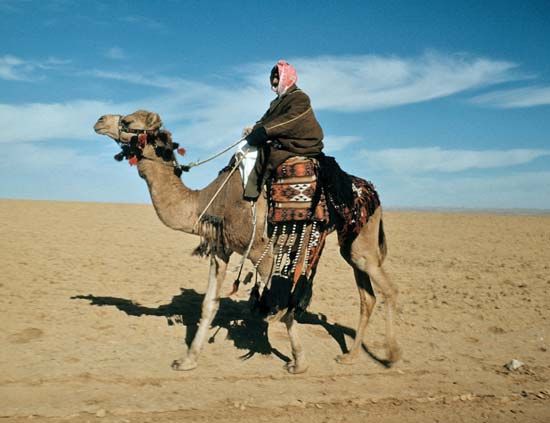
- Water Conservation: Desert animals often have skin that is relatively impervious to water. Some, like the camel, can survive for long periods without drinking, while others reabsorb moisture through specialized nasal passages.810
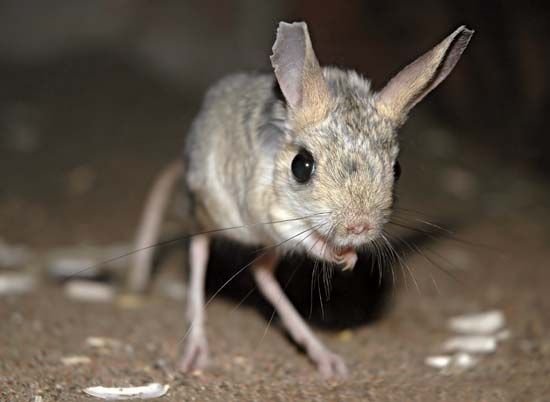
- Behavioral Thermoregulation: Many species, such as the jerboa, are nocturnal, avoiding the day’s heat by remaining in cool burrows. Others, like the Sahara desert ant, use long legs to keep their bodies above the scorching sand.10
- Extreme Resilience: Some organisms, such as tardigrades, enter a state of cryptobiosis, a deathlike state of desiccation that allows them to survive for decades until water returns.10
What is the difference between a hot desert and a cold desert?
The primary difference between hot and cold deserts lies in their geographic location, temperature profiles, and the mechanisms that drive their aridity. While both are defined by a severe shortage of moisture, they exist in distinct climatic zones.17
Hot Deserts
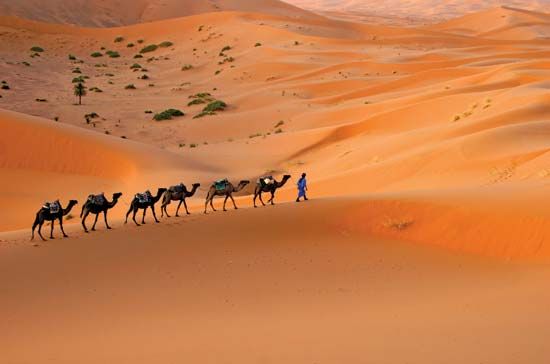
Hot deserts, such as the Sahara, are typically found in subtropical regions between 15° and 30° latitude. Their aridity is largely driven by the Hadley cell, where descending, dry air masses inhibit precipitation. These regions experience intense heat, with daytime temperatures often exceeding 40 °C (104 °F), though they can drop significantly at night due to the lack of cloud cover.14
Cold Deserts
Cold deserts, including the Gobi Desert and polar deserts, are located at higher latitudes or high elevations. Their dryness is often caused by their distance from moisture-bearing winds or their position in the rain shadow of mountain ranges. Unlike hot deserts, these environments experience frigid temperatures, particularly in winter, and much of their limited precipitation falls as snow.17
While hot deserts are characterized by extreme heat and high evaporation rates, cold deserts are defined by their low temperatures and the presence of frozen water in ice sheets or permafrost.174
Sources
- Desert - Environment — Encyclopædia Britannica
- desertification - Causes and consequences of desertification — Encyclopædia Britannica
- How Do Deserts Form? — Encyclopædia Britannica
- Tropical and subtropical desert climate — Encyclopædia Britannica
- Desert - Origin — Encyclopædia Britannica
- Why is Antarctica a desert? — Encyclopædia Britannica
- Cold desert — Encyclopædia Britannica
- Biosphere - Humidity — Encyclopædia Britannica
- Succulent — Encyclopædia Britannica
- 8 Animals That Live in Extreme Environments — Encyclopædia Britannica
- lizard - Thermoregulation — Encyclopædia Britannica
- climatic adaptation — Encyclopædia Britannica
Published on · 4 min read