Coral Bleaching: A Threat to Our Reefs
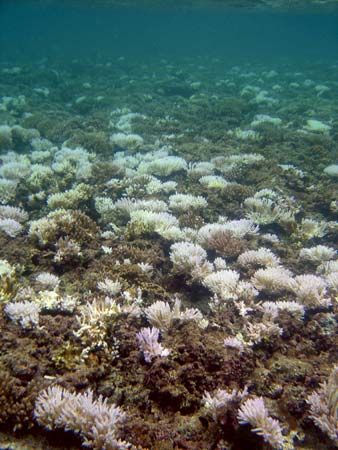
Coral bleaching is the whitening of coral caused by the loss of symbiotic algae known as zooxanthellae, or the degradation of their photosynthetic pigments.…
What is Coral Bleaching: A Threat to Our Reefs?
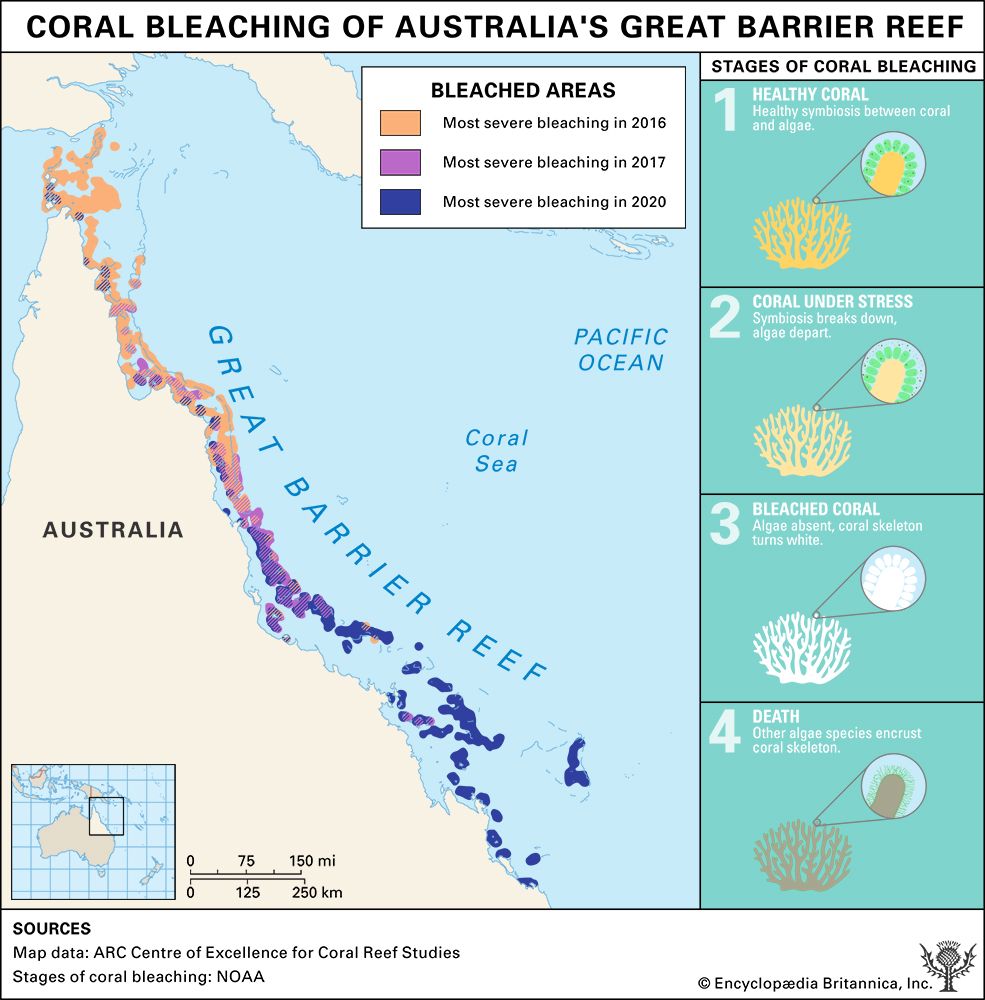
Coral bleaching is the whitening of coral caused by the loss of symbiotic algae known as zooxanthellae, or the degradation of their photosynthetic pigments. These algae provide essential food for corals and help build their calcium carbonate skeletons. When corals are stressed, they expel these algae, leaving the white skeleton exposed.123
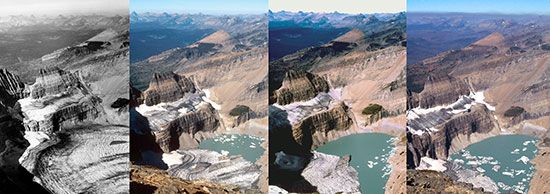
The primary driver of this phenomenon is prolonged exposure to unusually high seawater temperatures, often linked to global warming and El Niño events. Other stressors include ocean acidification, pollution, ultraviolet radiation, and increased sedimentation.132
If the stress is brief, the algae may return; however, if they remain absent for several months, the coral colony may die. Because coral reefs support approximately 25 percent of all marine species, their degradation poses a severe threat to biodiversity and ecosystem stability. Protecting these habitats from anthropogenic climate change is a critical environmental imperative.12
What is the symbiotic relationship between coral and zooxanthellae?
The relationship between coral and zooxanthellae is a symbiotic association that is mutually beneficial to both organisms.1
In this partnership, the coral provides the zooxanthellae—which are the vegetative stages of dinoflagellate algae—with a protected environment and access to essential metabolic waste products, including carbon dioxide, nitrogen, phosphorus, and sulfur.science/phosphorus-chemical-element), and sulfur.41
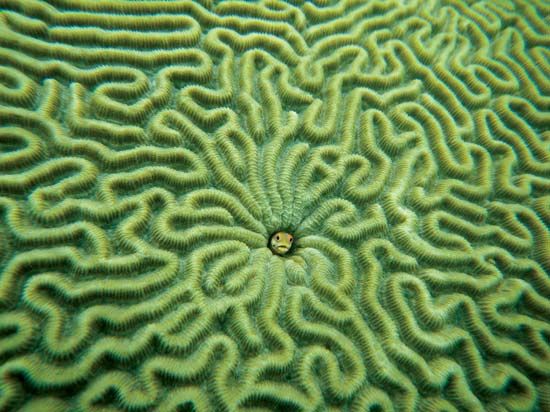
In return, the zooxanthellae perform photosynthesis using sunlight, supplying the coral with oxygen and food substances. This process is vital for the health of the reef, as the algae help accelerate the formation of the coral’s calcium carbonate skeleton by efficiently removing carbon dioxide produced during the coral’s metabolism. Because this relationship relies on light for photosynthesis, it is most prevalent in the well-lit, warm waters where coral reefs thrive.41
How does ocean acidification impact the growth of coral skeletons?
Ocean acidification significantly impairs the ability of coral to build and maintain their calcium carbonate skeletons. This process occurs because the absorption of excess atmospheric carbon dioxide by the oceans increases seawater acidity, which in turn reduces the concentration of carbonate ions available in the water.6
Because corals rely on these carbonate ions to secrete their skeletons, a decrease in their availability makes it difficult for the organisms to obtain the necessary raw materials for growth. Laboratory experiments simulating future ocean conditions have demonstrated that corals grown in more acidic environments exhibit reduced growth rates compared to those in current, less acidic conditions. Furthermore, if acidification intensifies, the resulting decline in carbonate ion concentrations could lead to the widespread degradation or disappearance of coral reefs, threatening the diverse ecosystems that depend on them for habitat.6
What are some ways humans can reduce their impact on coral reefs?
Humans can take several actions to reduce their impact on coral reefs and help preserve these vital ecosystems:
- Support Marine Protected Areas (MPAs): These designated zones restrict destructive activities like commercial fishing, mining, and aquaculture. By acting as safe havens, MPAs help stabilize reef structures and promote biodiversity.1
- Practice Responsible Tourism: Visitors should avoid touching corals or disturbing reef animals. Additionally, because chemicals in sunscreens and personal care products can accumulate and promote viral infections in corals, choosing reef-safe alternatives is essential.86
- Reduce Carbon Emissions: Since anthropogenic climate change is a primary threat to reefs, reducing the use of fossil fuels in industrial, agricultural, and transportation processes helps mitigate both global warming and ocean acidification.89
- Minimize Physical Damage: Avoiding destructive fishing practices, such as the use of explosives or dragnets, prevents the physical scouring and breaking of reef structures.6
- Control Pollution and Erosion: Reducing terrestrial erosion helps prevent excess sedimentation, which can smother reefs and block the sunlight necessary for the survival of symbiotic algae.86
Sources
- Coral bleaching — Encyclopædia Britannica
- coral reef - Coral bleaching — Encyclopædia Britannica
- Coral Bleaching: A Threat to Our Reefs — Encyclopædia Britannica
- Zooxanthella — Encyclopædia Britannica
- coral reef - Biological factors — Encyclopædia Britannica
- ocean acidification — Encyclopædia Britannica
- skeleton - Calcareous structures — Encyclopædia Britannica
- coral reef - Other threats — Encyclopædia Britannica
- coral reef - Threats to coral reefs — Encyclopædia Britannica
- marine protected area — Encyclopædia Britannica
Published on · 3 min read