Crabgrass
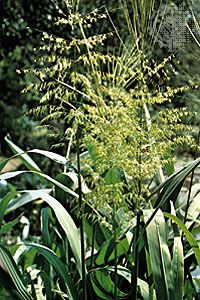
Crabgrass (genus Digitaria) is highly effective at spreading due to its dual reproductive strategy. These plants are annuals or perennials that rely on…
How does crabgrass reproduce and spread so effectively?
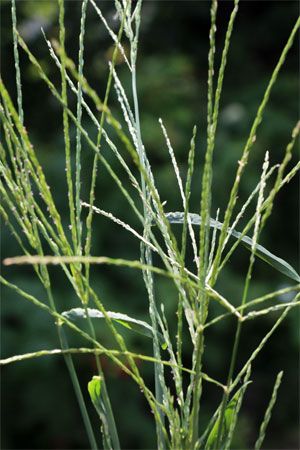
Crabgrass (genus Digitaria) is highly effective at spreading due to its dual reproductive strategy. These plants are annuals or perennials that rely on prolific seed production; their seeds overwinter in the soil and germinate later than many desirable plants, allowing them to exploit gaps in vegetation.1
Furthermore, most species spread vegetatively by producing decumbent stems that root at the joints, enabling them to form tenacious, expanding patches. This resilience makes them difficult to manage, as even mowing can trigger new flowering and additional seed dispersal. Because they are so well-adapted to colonizing lawns and waste spaces, the most effective way to prevent their spread is to maintain a dense, healthy lawn that smothers the seedlings before they can establish.1
How does crabgrass impact the growth of other plants in lawns and gardens?
Crabgrass impacts the growth of other plants primarily by acting as a highly competitive weed that forms tenacious, dense patches. Because these plants spread both through prolific seed production and by rooting at the joints of their decumbent stems, they can quickly colonize open spaces in lawns and gardens.1
By establishing these patches, crabgrass effectively outcompetes desirable vegetation for space, nutrients, and light. Its ability to germinate later than many other plants allows it to exploit gaps in existing turf, where it then crowds out surrounding flora. Once established, the plant’s resilience makes it difficult to remove, as standard maintenance practices like mowing often fail to stop its growth and may even encourage further seed dispersal. The most effective way to protect other plants from this impact is to maintain a hardy, dense lawn that smothers crabgrass seedlings before they can take hold.1
What are some common misconceptions about crabgrass?
A common misconception is that crabgrass is a single, universally harmful plant. In reality, the genus Digitaria includes approximately 220 species, and not all are considered pests. While species like hairy crabgrass and smooth crabgrass are notorious weeds that invade lawns and fields, other varieties, such as Arizona cottontop (D. californica), serve as valuable forage grass in southwestern North America.1
Another frequent misunderstanding involves the belief that mowing is an effective method for controlling crabgrass. Because these plants have decumbent stems that root at the joints, they are highly resilient; in fact, mowing often triggers new flowering and encourages the shedding of more seeds, which only exacerbates the infestation.1
Finally, many gardeners assume that crabgrass is impossible to eradicate once it appears. While it is certainly difficult to manage, it is not invincible. Effective control strategies include the use of preemergence herbicide sprays to target seeds before they germinate or, most effectively, maintaining a dense, healthy lawn that naturally smothers seedlings.1
Are there any beneficial uses or ecological roles of crabgrass?
While many species within the genus Digitaria are notorious as weeds in lawns and cultivated fields, the group is diverse, containing approximately 220 species of grass with varying ecological roles.1
Not all crabgrass species are considered pests. For example, Arizona cottontop (D. californica) is recognized as a beneficial forage grass in southwestern North America, providing a valuable food source for livestock and wildlife in that region.1
Beyond specific agricultural uses, crabgrass species are part of the Poaceae family, which is fundamental to global ecosystems. While the weedy varieties like hairy crabgrass are often viewed negatively due to their aggressive growth and ability to form tenacious patches, they function as opportunistic colonizers in waste spaces and disturbed soils, where they can help stabilize ground cover.1
Sources
- Crabgrass — Encyclopædia Britannica
- large crabgrass — Merriam-Webster
- crabgrass — Merriam-Webster
Published on · 3 min read