Creswell Crags
Creswell Crags served as a significant site for human occupation and wildlife during the final stages of the Würm glaciation, the last Ice Age.

What role did Creswell Crags play during the last Ice Age?
Creswell Crags served as a significant site for human occupation and wildlife during the final stages of the Würm glaciation, the last Ice Age.
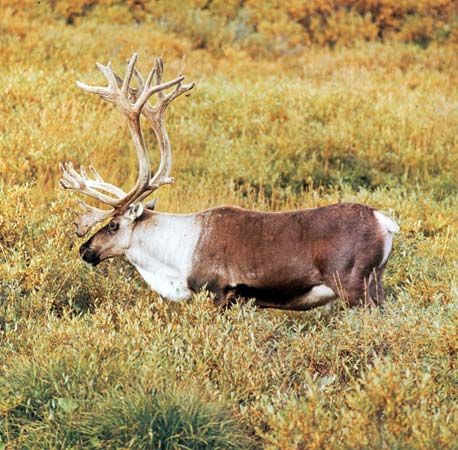
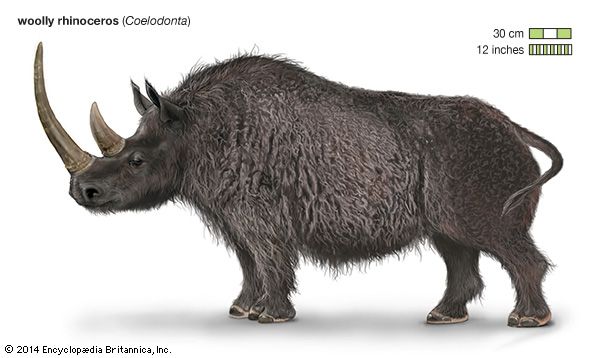
The ravine’s caves provided shelter for Paleolithic hunters, specifically those of the Creswellian culture, which is considered a provincial variant of the Magdalenian culture. Archaeological excavations have uncovered stone implements alongside the remains of Ice Age fauna, including reindeer, woolly rhinoceros, mammoth, and wild horse.1
Notably, the site is home to the most northerly cave art ever discovered in Britain. These 12,000-year-old engravings of various creatures share stylistic similarities with famous sites like the Lascaux Grotto and Altamira, highlighting the cultural sophistication of the people who inhabited the region during this period.1
What is the significance of the limestone gorge at Creswell Crags?
The limestone gorge at Creswell Crags is of profound archaeological significance due to its role as a repository for evidence of human life and extinct wildlife during the final stages of the Würm glaciation.
The site is primarily recognized for the following:
- Human Occupation: It contains one of the most important series of Paleolithic artifacts in Britain. The caves provided shelter for the Creswellian culture, a provincial variant of the Magdalenian culture, and have yielded evidence of Mousterian activity.1
- Extinct Fauna: The gorge has preserved a vital record of Ice Age mammals, including the woolly rhinoceros, mammoth, reindeer, and wild horse.1
- Cave Art: In 2003, researchers discovered the first and most northerly cave art ever found in Britain. These 12,000-year-old engravings are stylistically linked to famous European sites like Lascaux Grotto and Altamira, demonstrating the cultural reach of early human populations.1
Who were the first archaeologists to excavate Creswell Crags?
The first scientific excavations at Creswell Crags began in 1875. While the provided records note the commencement of these investigations in that year, they do not explicitly name the individual archaeologists responsible for the initial dig. Scientific exploration of the site has continued steadily from that time into the 21st century, uncovering significant evidence of Paleolithic hunters and extinct vertebrate remains.1
What kinds of tools and artifacts have been found at Creswell Crags?
Excavations at Creswell Crags have uncovered a significant collection of artifacts and artistic evidence left by Paleolithic hunters.
The primary findings include:
- Stone Implements: Archaeologists have recovered tools associated with the Mousterian industry, as well as artifacts attributed to the Creswellian culture. This culture is considered a provincial variant of the Magdalenian culture found in southwestern France.1
- Cave Art: In 2003, researchers discovered a suite of 12,000-year-old engravings, marking the first cave art ever found in Britain. These faint engravings depict various creatures and are stylistically similar to those found at Lascaux Grotto and Altamira.1
These artifacts were found alongside the remains of Ice Age fauna, including reindeer, woolly rhinoceros, mammoth, and wild horse.1
Sources
- Creswell Crags — Encyclopædia Britannica
Published on · 2 min read