Woolly Rhinoceros
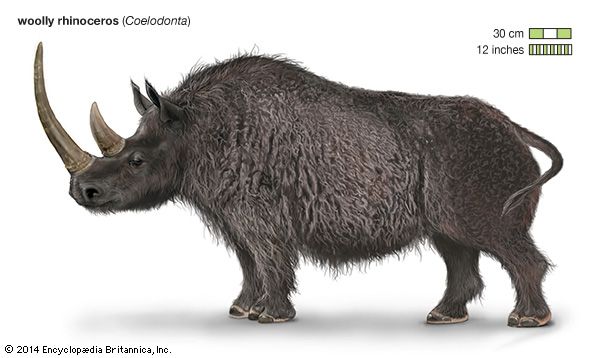
The woolly rhinoceros (Coelodonta) lived during the Pliocene and Pleistocene epochs, a period spanning from 5.3 million to 11,700 years ago.
When and where did the woolly rhinoceros live during prehistoric times?
The woolly rhinoceros (Coelodonta) lived during the Pliocene and Pleistocene epochs, a period spanning from 5.3 million to 11,700 years ago.1
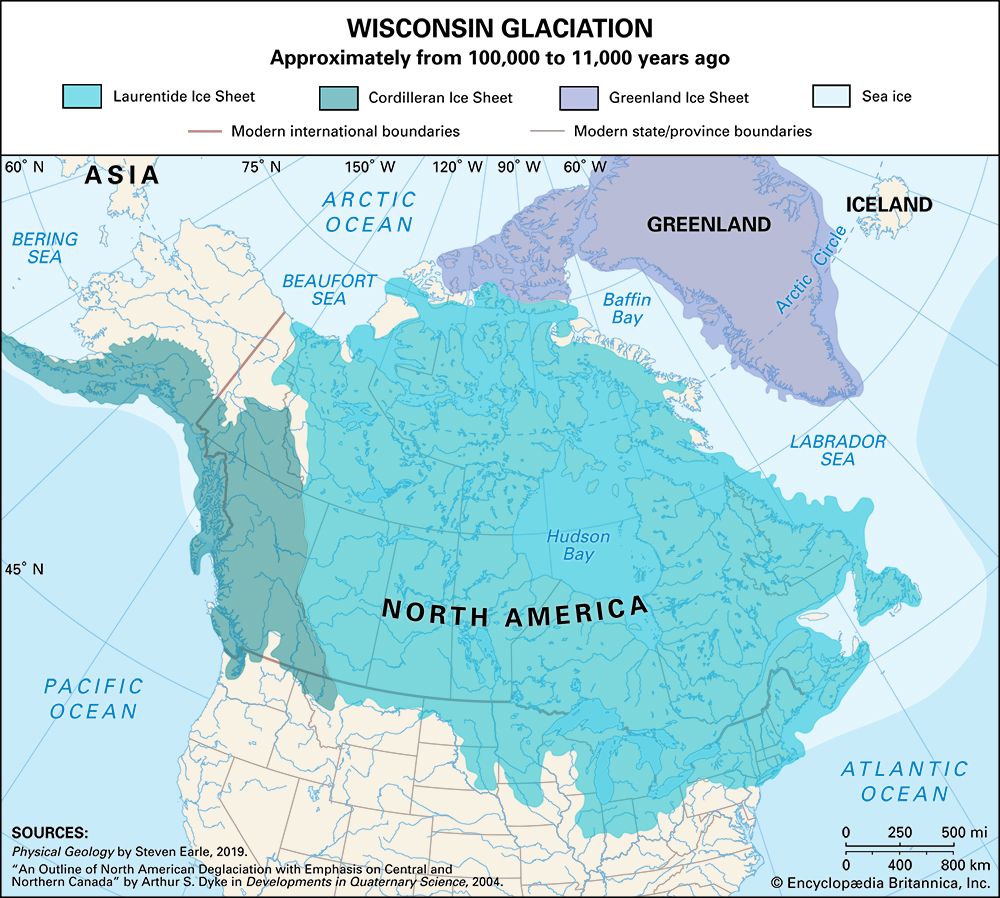
Geographically, these animals were found across Europe, North Africa, and Asia. While they are often associated with arctic regions, they also inhabited more temperate, nonglacial grasslands. The oldest known specimen, C. thibetana, was discovered on the Plateau of Tibet and dates back 3.6 million years. In northern Eurasia, the species persisted until at least 14,000 years ago, eventually going extinct due to rapid climate changes at the end of the most recent ice age.12
How does the woolly rhinoceros compare to modern-day rhino species?
The woolly rhinoceros (Coelodonta) shares the family Rhinocerotidae with modern-day species, yet it possessed distinct adaptations for its prehistoric environment.
Key Comparisons
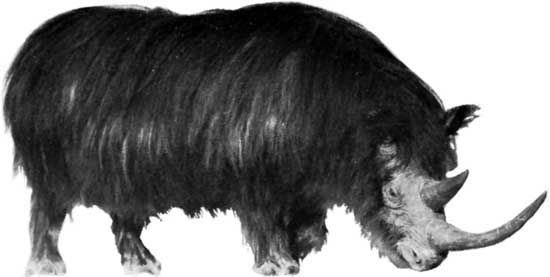
- Physical Appearance: While modern rhinoceroses are nearly or completely hairless (except for tail tips and ear fringes), the woolly rhinoceros was covered in a thick coat of hair, an adaptation for the cold climates of the Pleistocene epoch. Like its modern relatives, it featured two horns on its snout composed of keratin.
- Habitat: Modern rhinoceroses are restricted to tropical and subtropical regions of Africa and Asia. In contrast, the woolly rhinoceros was well-adapted to the harsh, cold environments of northern Eurasia, though it also inhabited temperate grasslands.
- Evolutionary Status: Both groups are perissodactyls, or odd-toed ungulates. However, the woolly rhinoceros is an extinct lineage that diverged long ago; modern rhinoceros species are considered remnants of a once-varied stock and have little direct relationship to one another or to the woolly rhinoceros.
- Conservation Status: Modern rhinoceroses face a critical threat from poaching and habitat loss, with total populations estimated at fewer than 30,000. The woolly rhinoceros, however, went extinct approximately 14,000 years ago, likely due to rapid climate change rather than human hunting.
We could dive deeper into the evolutionary history of rhinoceroses or discuss the specific genetic research that has provided new insights into their extinction.
Are there any cave paintings or prehistoric art depicting woolly rhinoceroses?
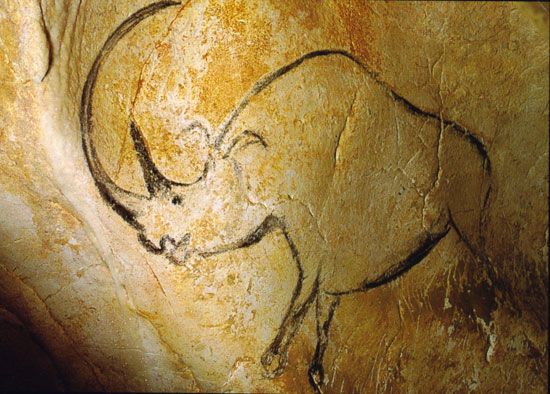
Yes, the woolly rhinoceros was a popular subject for Stone Age painters and sculptors, who frequently depicted these animals in prehistoric art.7
During the earliest periods of cave art, artists often focused on formidable, now-extinct species, including mammoths, cave bears, and woolly rhinoceroses. Notable examples include:1
- Chauvet–Pont d’Arc (France): This site contains illustrations of the woolly rhinoceros dating back to between 33,000 and 30,000 years ago.7
- Font-de-Gaume (France): This cave features approximately 230 figures, which include a depiction of a woolly rhinoceros alongside other animals like bison, horses, and mammoths.8
These representations are often noted for their high level of accuracy. Artists frequently utilized the natural contours and relief of the cave walls to provide their work with a three-dimensional quality.798
How does the extinction of the woolly rhinoceros relate to broader climate changes at the end of the last Ice Age?
The extinction of the woolly rhinoceros (Coelodonta antiquitatis) is closely linked to the dramatic environmental shifts that occurred at the end of the last ice age. Scientific evidence indicates that these animals did not succumb to human hunting, but rather to the rapid climate changes associated with the Bølling-Allerød interstadial, a period of significant warming that triggered the rapid retreat of Pleistocene ice sheets between 14,700 and 12,900 years ago.1
This warming trend fundamentally reorganized ecosystems, disrupting the cold-adapted habitats—such as the vast, dry steppe grasslands—that the woolly rhinoceros relied upon. Unlike some other megafaunal extinctions where human activity is debated, genomic analysis of a 14,400-year-old specimen suggests the species did not suffer from long-term genetic erosion or inbreeding, indicating that their decline was a relatively sudden event occurring over just a few hundred years rather than a prolonged struggle.110
While the “overkill hypothesis” is often discussed regarding other megafaunal extinctions, the evidence for the woolly rhinoceros points primarily to the stress of a changing world, where the rapid loss of suitable environments proved insurmountable for the species.111
Sources
- woolly rhinoceros — Encyclopædia Britannica
- woolly rhinoceros — Merriam-Webster
- perissodactyl - Rhinoceroses — Encyclopædia Britannica
- rhinoceros — Encyclopædia Britannica
- perissodactyl - Rhinoceroses — Encyclopædia Britannica
- horn — Encyclopædia Britannica
- Rock art - Cave painting in Europe — Encyclopædia Britannica
- Cave art — Encyclopædia Britannica
- Font-de-Gaume — Encyclopædia Britannica
- Pleistocene Epoch - Megafaunal extinctions — Encyclopædia Britannica
- 6 Animals We Ate Into Extinction — Encyclopædia Britannica
- Quaternary - Fauna and flora — Encyclopædia Britannica
Published on · 3 min read