Mammoth
The extinction of mammoths is a subject of ongoing scientific debate, with researchers generally pointing to a combination of two primary factors:
What theories exist about the causes of mammoth extinction?
The extinction of mammoths is a subject of ongoing scientific debate, with researchers generally pointing to a combination of two primary factors:
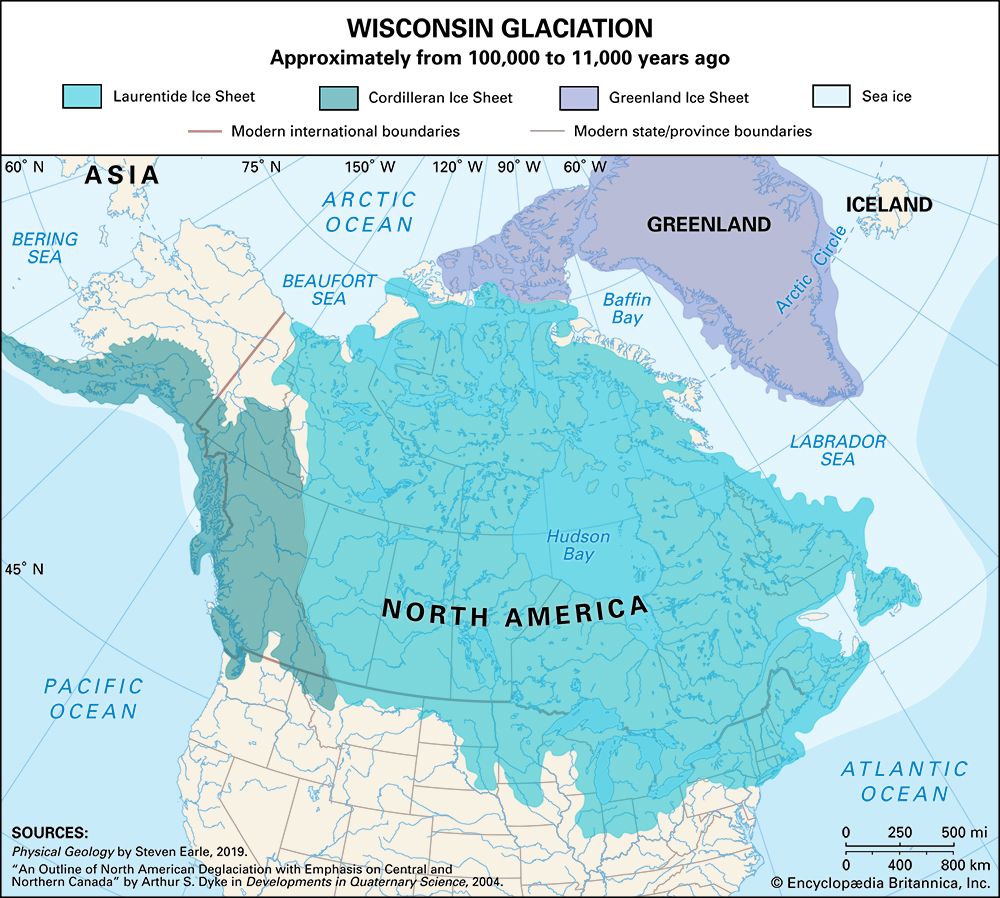
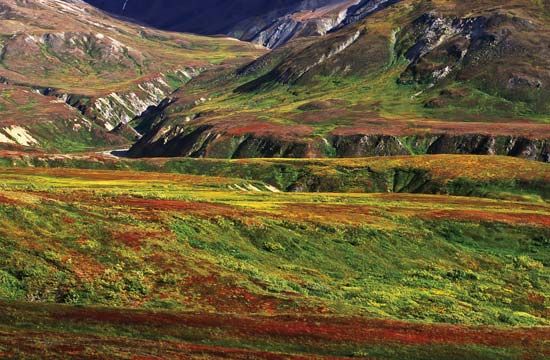
- Climatic Change: As the Pleistocene Epoch ended, the Earth’s climate warmed significantly. This transition caused the reorganization of vegetation and the loss of the mammoth steppe—a cold, productive tundra ecosystem—which reduced the habitat and food sources available to these cold-adapted herbivores.12
- Human Hunting: The “overkill hypothesis” suggests that skilled human hunters, such as those associated with the Clovis complex, contributed to the decline through direct predation. Because these animals were not accustomed to human predators, they may have been particularly vulnerable.13
In some isolated instances, such as on Wrangel Island, small populations persisted long after the mainland extinction. These final groups eventually succumbed to the negative effects of inbreeding and a loss of genetic diversity. Most experts now believe that the causes of extinction varied by region and that both climate and human activity played roles of differing importance.321
What were the different species of mammoths, and where did they live?
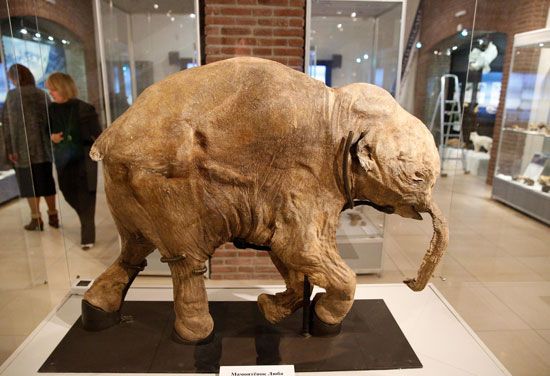
The genus Mammuthus comprised several distinct species of extinct elephants that inhabited diverse regions across the globe during the Pleistocene Epoch. While the provided search results do not offer an exhaustive list of every species, they highlight key examples:
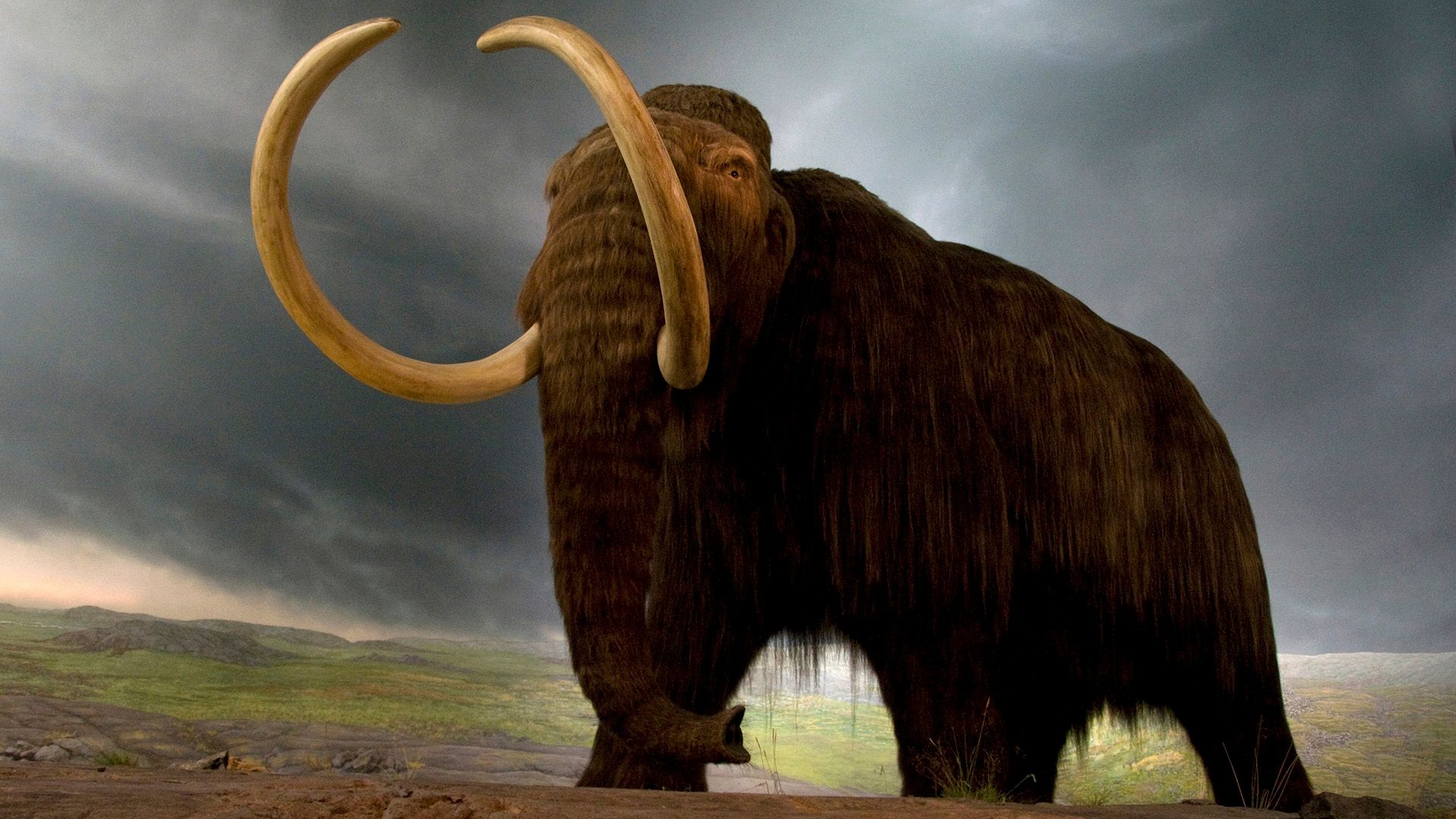
- Woolly Mammoth (Mammuthus primigenius): By far the best-known species, these animals were highly adapted to cold climates. They were widespread across northern regions, with significant populations in Siberia and North America. Small, isolated populations persisted on Wrangel Island until approximately 4,300 years ago.56
- Imperial Mammoth (Mammuthus imperator): A notable North American species, this mammoth was larger than many of its relatives, reaching a shoulder height of approximately 4 meters (14 feet).5
Generally, members of the genus Mammuthus were found on every continent except Australia and South America. Their evolutionary history involved migration from Africa into Eurasia and eventually into North America. While most mammoths were comparable in size to modern elephants, some species evolved into dwarfed forms after becoming isolated on various islands.57
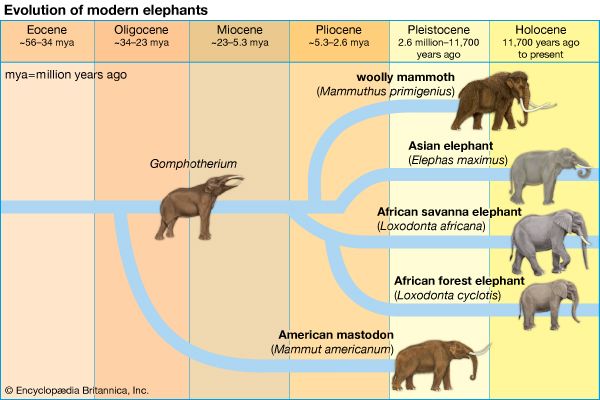
It is important to distinguish these from mastodons (genus Mammut), which are a separate group of elephantine mammals that also lived during the same period but possessed different dental structures and physical characteristics.4
How long ago did mammoths live, and when did they go extinct?
Mammoths, members of the genus Mammuthus, lived throughout the Pleistocene Epoch, which began 2.6 million years ago and ended 11,700 years ago. While they were most prominent during this period, they also persisted into the early Holocene Epoch in certain regions.2
The timeline of their extinction varied by population:
- Mainland North America: Small populations of woolly mammoths are estimated to have survived until between 10,500 and 7,600 years ago.52
- St. Paul Island: Evidence suggests persistence until approximately 5,600 years ago.5
- Wrangel Island: A tiny, isolated population survived until about 4,300 years ago before succumbing to the effects of inbreeding and a loss of genetic diversity.52
Generally, the decline of these animals is attributed to a combination of a warming climate that reduced their habitat and the pressures of hunting by humans.58
How do mammoths compare to modern-day elephants?
Mammoths and modern-day elephants are both members of the family Elephantidae, making them close relatives within the order Proboscidea. In fact, genetic studies indicate that mammoths are more closely related to modern Asian elephants than either is to the African elephant.10
Physical Comparisons
- Size: Most mammoths were comparable in size to modern elephants. For example, the woolly mammoth stood about 3 to 3.7 meters (10 to 12 feet) tall and weighed between 5,500 and 7,300 kg (6 to 8 tons), which is similar to the dimensions of an Asian elephant.115
- Skull and Tusks: Mammoths possessed a high, domelike skull, whereas Asian elephants have a distinct twin-domed head. Both groups feature tusks, which are modified upper incisors, though mammoth tusks were often very long and curved downward, sometimes crossing over each other in older males.12117
- Adaptations: Unlike modern elephants, many mammoths were adapted for cold climates. They featured small ears to minimize heat loss, a thick layer of insulating fat, and a dense coat of hair. They also possessed a hump of fat on their backs, which served as an energy and water reservoir.115
- Dentition: Both groups share a similar “conveyor-belt” system of tooth replacement, where large molars composed of enamel plates are pushed forward as the animal chews.117
Sources
- Pleistocene Epoch - Megafaunal extinctions — Encyclopædia Britannica
- woolly mammoth: Top Questions — Encyclopædia Britannica
- woolly mammoth — Encyclopædia Britannica
- mastodon — Encyclopædia Britannica
- mammoth — Encyclopædia Britannica
- Tertiary Period - Mammalian migration from Eurasia to North America — Encyclopædia Britannica
- How big was the woolly mammoth? — Encyclopædia Britannica
- 6 Animals We Ate Into Extinction — Encyclopædia Britannica
- Pleistocene Epoch - Evolutionary changes — Encyclopædia Britannica
- What’s the Difference Between Asian and African Elephants? — Encyclopædia Britannica
- proboscidean — Encyclopædia Britannica
- Moeritherium — Encyclopædia Britannica
- gomphothere — Encyclopædia Britannica
- elephant - Reproduction and life cycle — Encyclopædia Britannica
Published on · 4 min read