Cuckoopint
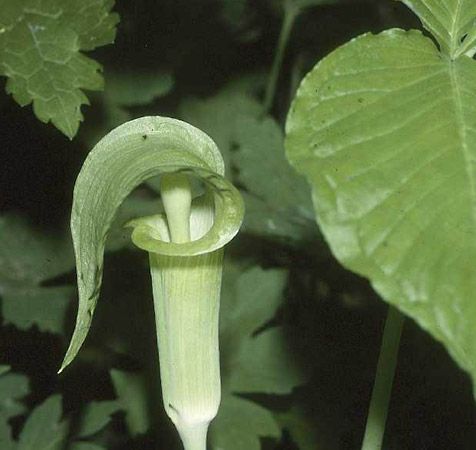
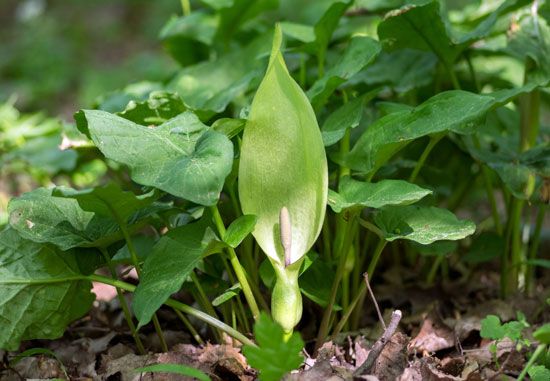
The cuckoopint (Arum maculatum) plays a specialized role in its native ecosystem primarily through its unique pollination strategy. The plant utilizes a…
What role does cuckoopint play in its native ecosystem?
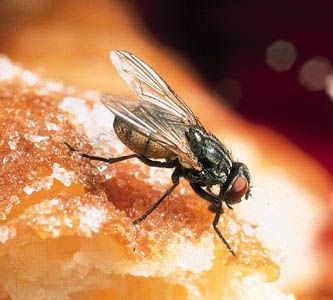
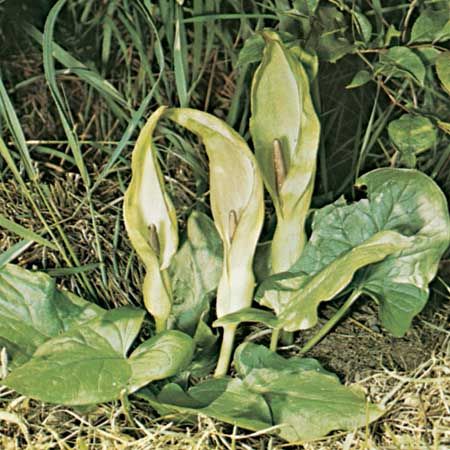
The cuckoopint (Arum maculatum) plays a specialized role in its native ecosystem primarily through its unique pollination strategy. The plant utilizes a fetid odor and heat generation—triggered by the hormone calorigen—to attract minute flies into a floral trap. By temporarily imprisoning these insects, the plant ensures they are coated in pollen before they are released to visit other inflorescences, thereby facilitating cross-pollination.1
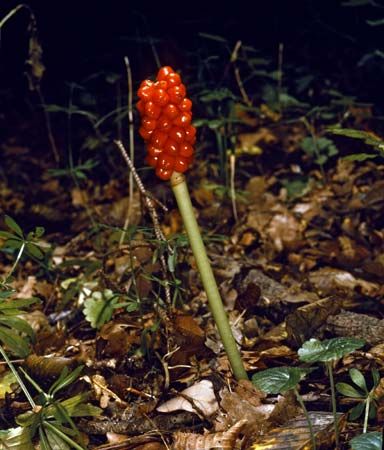
Beyond this interaction, the plant is characterized by its bitter, toxic sap and poisonous red berries, which serve as a chemical defense mechanism within its habitat. It is important to note that the cuckoopint is a plant species and should not be confused with the common cuckoo (Cuculus canorus), a bird known for its role in coevolutionary alternation as a brood parasite.12
How does the cuckoopint’s unique pollination method work?
The cuckoopint (Arum maculatum) employs a sophisticated, time-sensitive pollination strategy to ensure cross-pollination:
- Attraction: In the early evening, the plant produces a fetid odor and generates heat, triggered by the hormone calorigen. This heat helps volatilize the scent, attracting minute flies.
- Entrapment: The flies enter the spathe through a zone of downward-pointing bristles and fall into a smooth-walled chamber, where they are temporarily trapped.
- Pollination: While trapped, the insects feed on a nutritious secretion from the female flowers. If they carry pollen from a previous visit, they pollinate the female flowers. Later, as the female stigmas become unreceptive, the male flowers release pollen onto the insects.
- Release: The following day, the bristles wilt, allowing the now pollen-laden flies to escape. These insects are often quickly recaptured by another receptive inflorescence, continuing the cycle.
What toxic compounds are present in cuckoopint, and how do they affect humans and animals?
All parts of the cuckoopint (Arum maculatum) are considered poisonous because they contain calcium oxalate crystals. These microscopic, needle-like crystals are found throughout the plant, with concentrations being particularly high in the whitish rootstock and the brilliant red or orange berries.34
Effects on Humans and Animals
The primary toxic effect of these crystals is mechanical and chemical irritation. When the plant is ingested or handled, the calcium oxalate crystals can cause:
- Severe Irritation: The sap is known for its bitter, burning taste, which can cause immediate pain, swelling, and blistering of the mouth, tongue, and esophagus.34
- Digestive Distress: Ingestion of the plant, especially the berries, can lead to significant gastrointestinal irritation and distress.34
- Contact Sensitivity: The sap can act as an irritant to the skin, causing discomfort upon contact.34
Because of these toxic properties, the plant serves as a chemical defense against herbivores. It is important to exercise caution and avoid handling or consuming any part of the cuckoopint.3
Are there any similar plants that are often confused with cuckoopint?
Several plants within the Araceae family share physical characteristics with the cuckoopint (Arum maculatum), which can lead to confusion. Because these plants often feature the signature spadix and spathe structure, they are sometimes collectively referred to as “arum lilies,” though they are distinct species.51
Plants often associated or confused with the cuckoopint include:
- Italian Lords-and-Ladies (Arum italicum): This is the most similar in appearance to the cuckoopint. It is distinguished by an attractive white spathe and showy red fruits, and it has naturalized in many regions outside its native Mediterranean range.5
- Solomon’s Lily (Arum palaestinum): Also known as black calla, this species is native to the Middle East. It is easily identified by its striking dark purple or blackish-red spathe and spadix.5
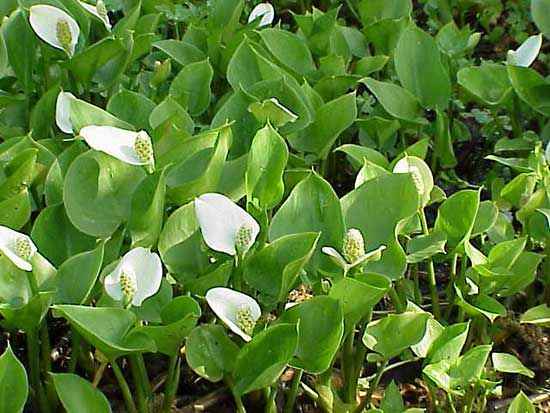
- Other Aroids: The term “arum lily” is frequently applied to various plants in the Araceae family, including the aquatic wild calla (Calla palustris) and species of the genus Zantedeschia, which are common in the floral industry.5
While these plants may look similar, it is important to remember that all members of the genus Arum contain calcium oxalate and are considered poisonous.5
Sources
- Cuckoopint — Encyclopædia Britannica
- community ecology - Coevolution of one species with several species — Encyclopædia Britannica
- 7 Dangerous Plants You Should Never Touch — Encyclopædia Britannica
- calcium oxalate — Merriam-Webster
- Arum — Encyclopædia Britannica
- cuckoopint — Merriam-Webster
- list of plants in the family Araceae — Encyclopædia Britannica
Published on · 3 min read