Cythera
Cythera (also spelled Kithira) is an island located off the southern coast of the Peloponnese peninsula in Greece. Geographically, it serves as the…
What is the geographical location and significance of Cythera in Greece?
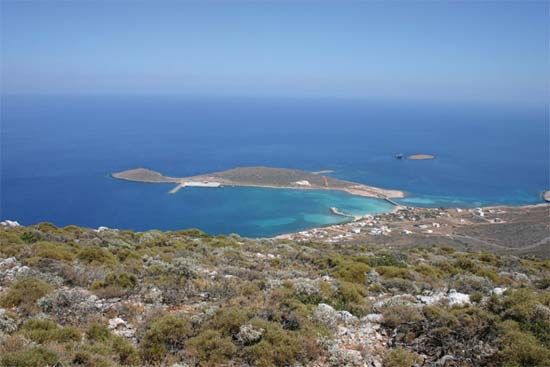
Cythera (also spelled Kithira) is an island located off the southern coast of the Peloponnese peninsula in Greece. Geographically, it serves as the southernmost and easternmost of the Ionian Islands, featuring a mountainous interior that is a continuation of the Taiyetos Range.1
Historically, the island held significance for several reasons:
- Ancient Cults: It was noted in antiquity for its local cult of Aphrodite.1
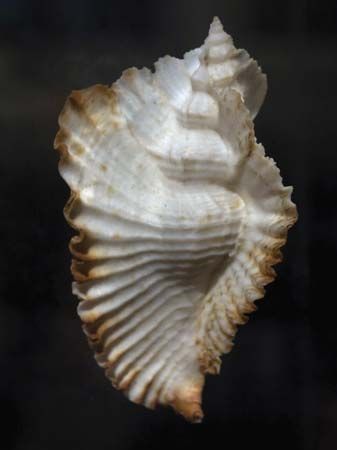
- Economic Resources: The island was historically known as Porphyrusa due to the production of murex, a valuable purple dye derived from mollusks.1
- Strategic History: Despite its location, a lack of natural harbors limited its political influence. It served as a Spartan outpost before being captured by Athens during the Peloponnesian War. Over the centuries, it faced numerous incursions and was eventually controlled by Venice in 1717.1
Today, the island maintains a modest agricultural economy, producing goods such as olives, olive oil, grapes, wheat, and barley.1
How has Cythera’s history been influenced by various civilizations throughout the ages?
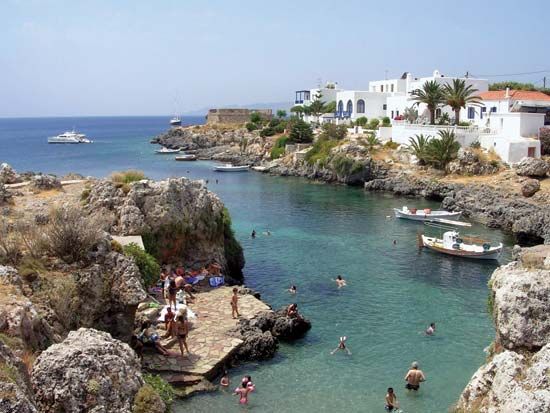
Cythera’s history has been shaped by a succession of regional powers and cultural influences, reflecting its strategic position between the Peloponnese and Crete.
- Early Aegean Influence: Toward the end of the 3rd millennium BCE, the island saw a transition in its population when a colony of Cretans replaced a settlement of people from the Greek mainland.1
- Ancient Greece: In antiquity, the island was renowned for its local cult of Aphrodite and its production of murex, a valuable purple dye. Politically, it served as a Spartan outpost until it was captured by Athens in 424 BCE during the Peloponnesian War.3
- Medieval and Venetian Eras: Following the Fourth Crusade in 1204, the island endured frequent incursions, including a devastating event in 1537 when its inhabitants were sold into slavery. In 1717, Venice assumed control, renaming the island Cerigo. From this point forward, its historical trajectory became largely aligned with that of the Ionian Islands.3
What is the mythological importance of Cythera in Greek culture?
Cythera holds significant mythological importance in Greek culture primarily due to its deep association with Aphrodite, the goddess of sexual love and beauty.
- Cult Origins: The island is recognized as one of the primary centers of worship for Aphrodite, alongside Paphos and Amathus on Cyprus. Many scholars believe that the cult of the goddess likely originated on Cythera during prehistoric times, when it served as a Minoan colony.5
- Etymological Connection: The island’s name is so intrinsically linked to the goddess that the term “Cytherea” is used as an epithet for Aphrodite herself, derived from the Greek Kythereia.1
- Religious Significance: In ancient times, the island was noted for its local cult dedicated to her, cementing its status as a sacred site within the Greek religious landscape.6
While other locations like Cyprus are often more famously associated with the goddess’s birth and myths, Cythera remains a foundational site in the history of her veneration and cultural identity.5
What are some notable archaeological sites or cultural landmarks on Cythera?
While Cythera is historically significant for its strategic location and its ancient cult of Aphrodite, the provided knowledge base does not contain specific information detailing notable archaeological sites or cultural landmarks currently located on the island.
The available records focus primarily on the island’s historical transitions—such as its time as a Spartan outpost, its capture by Athens, and its later period under Venetian rule—rather than a catalog of its extant physical monuments or ruins. While archaeological evidence of a Cretan colony from the late 3rd millennium BCE has been noted in broader Aegean studies, specific landmark sites are not described in the provided text.14
Sources
- Cythera — Encyclopædia Britannica
- Aegean Sea — Encyclopædia Britannica
- Cyprus - The Bronze Age — Encyclopædia Britannica
- Aegean civilizations - The Cyclades — Encyclopædia Britannica
- Cytherea — Merriam-Webster
- Aphrodite — Encyclopædia Britannica
- Cyprus - Cultural institutions — Encyclopædia Britannica
- Cnidus — Encyclopædia Britannica
Published on · 3 min read