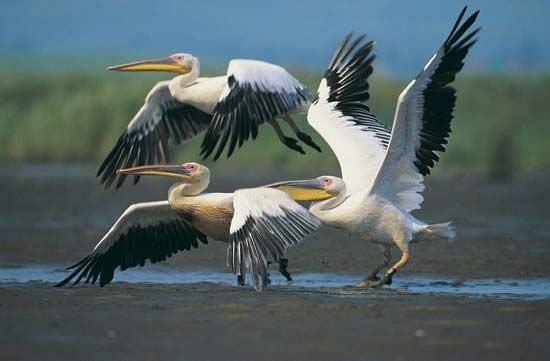
Darter
The darter, also known as the snakebird, is a large, slender water bird found in tropical and warm temperate regions across Africa, Asia, Oceania, and the…
Are there any cultural or historical significance associated with darter birds in different parts of the world?
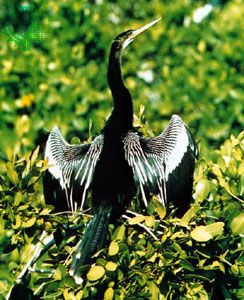
The darter, also known as the snakebird, is a large, slender water bird found in tropical and warm temperate regions across Africa, Asia, Oceania, and the Americas. While these birds are biologically fascinating for their unique method of swimming nearly submerged—with only their long, snakelike necks visible above the water—the provided records do not contain information regarding specific cultural or historical significance attributed to them in different parts of the world.
Darters are primarily recognized for their specialized hunting behavior, using their serrated bills to spear fish before carrying them ashore. Taxonomically, they are members of the family Anhingidae, though their classification within the order Pelecaniformes or Suliformes remains a subject of scientific discussion.1
What are the different species of darter birds, and how do they differ from each other?
The term “darter” refers to two distinct groups of animals: a family of water birds and a subfamily of freshwater fish. It is important to distinguish between these, as they are biologically unrelated.12
Darter Birds (Family Anhingidae)
There is ongoing scientific debate regarding the classification of darter birds, with estimates ranging from two to four distinct species ranging from two to four distinct species.1
- American Darter (Anhinga anhinga): Widely recognized as a distinct species.1
- Old World Darters: Taxonomists disagree on whether these populations represent a single species (A. melanogaster) or should be split into three: A. melanogaster, A. novaehollandiae, and A. rufa.1
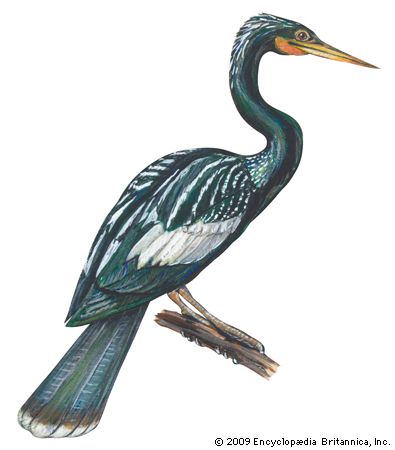
These birds are characterized by their slender, 90 cm (35-inch) frames, long necks, and serrated bills used to spear fish. While their backs are generally dark, breast coloration varies by species, and males develop distinct head plumes and “manes” during the breeding season.1
Darter Fish (Subfamily Etheostominae)
Darters are also a group of approximately 100 species of small, slender freshwater fish native to eastern North America.2
- Physical Traits: They typically measure 5–7 cm, though they can range from 2.5 to 23 cm. Many males exhibit vibrant colors during the spring breeding season.2
- Behavior: They live near the bottom of clear streams and are known for their quick, darting movements.2
- Conservation: Many species are threatened by habitat loss, most notably the snail darter, which gained national attention due to legal protections for endangered species.2
How did darter birds get their name, and what does it reveal about their behavior?
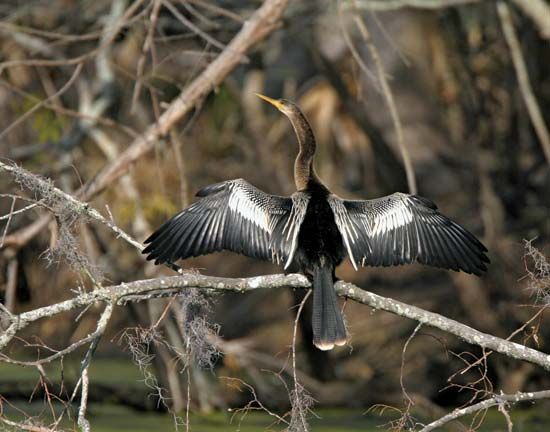
The name “darter” for the bird (family Anhingidae) is derived from its distinctive movement while swimming. These birds typically swim with their bodies submerged, leaving only their long, slender necks visible above the water. As they move, their heads and necks exhibit a characteristic motion, darting snakelike from side to side.1
This behavior is closely linked to their unique hunting strategy. Unlike some other water birds that actively pursue prey, the darter acts as an ambush predator. It lies in wait underwater, remaining nearly submerged, and then uses its serrated bill to stab passing fish before carrying them ashore.13
It is worth noting that the name “darter” is also applied to a group of about 100 species of small freshwater fish native to North America. These fish earned their name because of their habit of darting quickly about when feeding or when disturbed. While both animals share the name, they are biologically unrelated, with the birds belonging to the order Pelecaniformes or Suliformes and the fish to the family Percidae.21
What are the distinctive physical characteristics of darter birds?
Darter birds (family Anhingidae) possess several distinctive physical characteristics that reflect their highly aquatic lifestyle:
- Body Shape: They are large, slender birds, typically reaching about 90 cm (35 inches) in length, with notably long, thin necks.1
- Plumage and Coloration: Their backs are primarily black or dark brown, often featuring silvery wing markings. Breast coloration varies by species, ranging through different shades of brown and white. During the breeding season, males develop pale head plumes and a dark “mane,” while their bodies may take on a green gloss; female coloration is generally more muted.1
- Wettable Feathers: Unlike many other water birds, darters have wettable contour feathers that trap little air when submerged. This reduces their buoyancy, allowing them to dive and swim underwater without needing an aerial plunge.4
- Bill Structure: They possess a long, serrated bill specifically adapted for spearing fish, which they then carry to the shore.1
- Skeletal Adaptations: Their bones are less pneumatized (hollow) than those of many other pelecaniforms, which helps them maintain the high specific gravity necessary to remain submerged while motionless.4
Sources
- Darter — Encyclopædia Britannica
- darter — Encyclopædia Britannica
- Pelecaniform - Feeding ecology — Encyclopædia Britannica
- Pelecaniform - Distinguishing characteristics — Encyclopædia Britannica
- Anseriform - Anatomy — Encyclopædia Britannica
Published on · 4 min read