Davis Strait
Davis Strait is named after the English navigator John Davis, who led three expeditions to the region between 1585 and 1587 in search of a Northwest Passage…
Who was Davis Strait named after, and when was it first explored?
Davis Strait is named after the English navigator John Davis, who led three expeditions to the region between 1585 and 1587 in search of a Northwest Passage to the Pacific Ocean.12
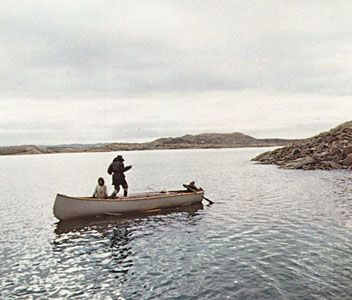
While Davis is credited with the exploration that led to the strait bearing his name, it is important to note that the area was not previously unknown; Inuit populations had long utilized the waters for fishing and hunting marine mammals before European arrival. Davis specifically passed through the strait during his final 1587 voyage, during which he also reached Baffin Bay and traveled along the coast of western Greenland as far north as Disko Island.21
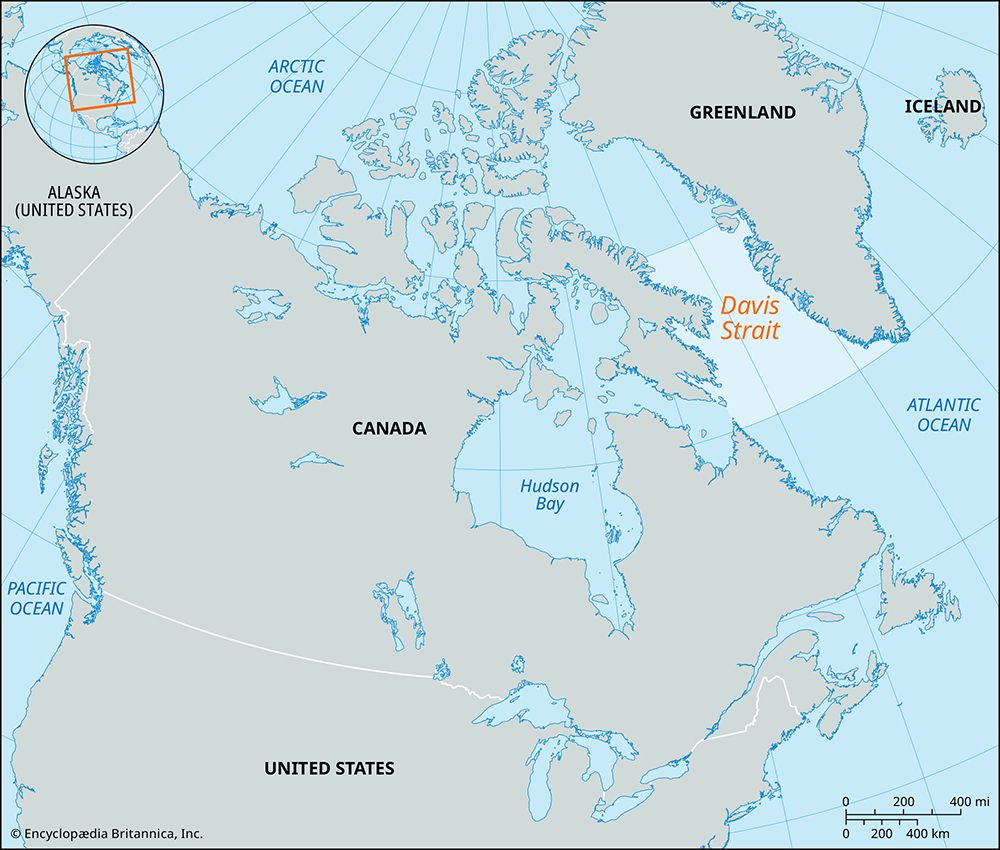
How wide is Davis Strait, and what are the major landmasses it separates?
Davis Strait is a body of water that separates southeastern Baffin Island in Canada from southwestern Greenland.3
Regarding its dimensions, the strait is approximately 400 miles (650 km) long from north to south and ranges between 200 and 400 miles in width. It serves as a vital connection between Baffin Bay to the north and the Labrador Sea to the south, forming a key segment of the Northwest Passage.3
What strategic importance does Davis Strait hold for Canada and Denmark (Greenland)?
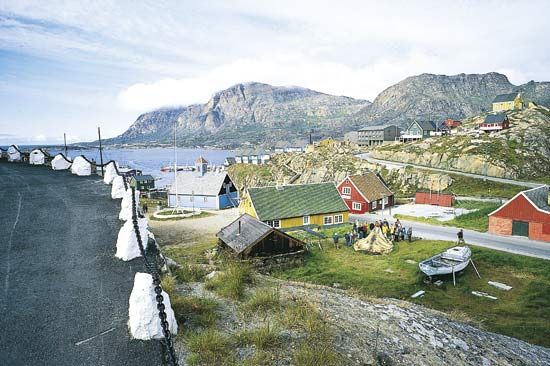
The strategic importance of the Davis Strait for Canada and Greenland (Denmark) is defined by its role in commerce, resource management, and navigation. As a critical segment of the Northwest Passage, the strait serves as a vital maritime link between the Atlantic and Pacific oceans.2
Key aspects of its strategic value include:
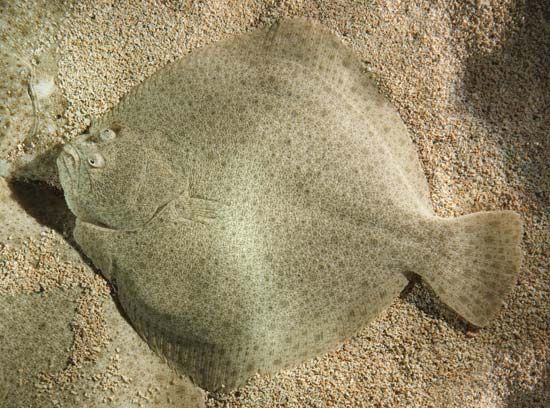
- Fisheries and Economic Resources: The strait supports rich deep-sea fisheries, including valuable turbot, shrimp, and crabs. Both Canada and Greenland have implemented strict regulations to manage these stocks and prevent overfishing, reflecting a shared commitment to sustainable resource stewardship.2
- Energy Exploration: The region has been a focus for deep-sea oil exploration. While initial interest was dampened by environmental concerns—particularly following the Deepwater Horizon oil spill—the area remains a point of interest for potential energy development.2
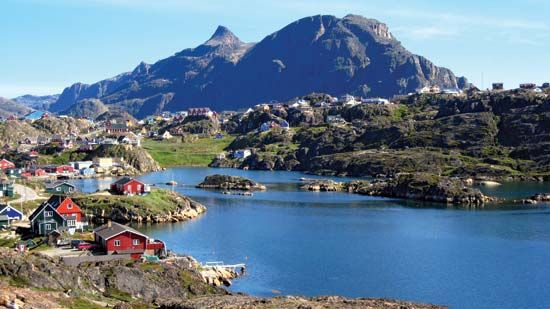
- Navigation and Tourism: The strait facilitates essential shipping routes, primarily along the warmer Greenland coast. It also supports a growing tourism industry, with cruise ships connecting international travelers to Nuuk and various Inuit communities.2
What role does Davis Strait play in international shipping and trade?
The Davis Strait serves as a critical maritime corridor, functioning as a key segment of the Northwest Passage that links the Atlantic Ocean and the Pacific Ocean.2
Its role in international shipping and trade is shaped by several factors:
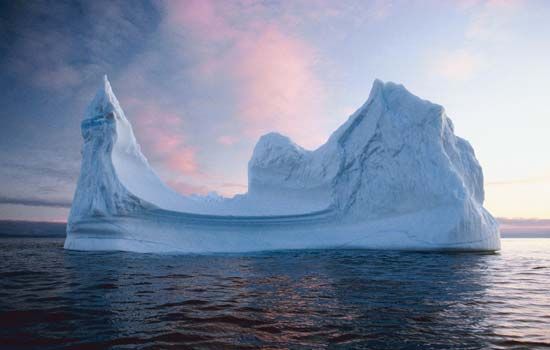
- Navigation Routes: Because the Labrador Current transports heavy ice along the Baffin Island coast, primary shipping routes are concentrated in the warmer waters near the Greenland coast. These routes support access to major Greenlandic ports such as Nuuk, Sisimiut, and Paamiut.2
- Seasonal Constraints: Navigation is limited to a season extending from midsummer to late fall, though this window experiences significant annual variation due to environmental conditions.2
- Commercial Activity: Beyond general shipping, the strait facilitates the transport of commercial goods related to the region’s fisheries, including shrimp and crabs, and supports a growing tourism industry via cruise ship traffic.2
Sources
- John Davis — Encyclopædia Britannica
- Davis Strait — Encyclopædia Britannica
- Davis Strait — Merriam-Webster
- Denmark Strait — Encyclopædia Britannica
- Cumberland Sound — Encyclopædia Britannica
- Labrador Sea — Encyclopædia Britannica
Published on · 2 min read