Daylily
A daylily is any plant belonging to the genus Hemerocallis within the family Hemerocallidaceae. These perennial herbs are native to regions spanning from…
What is Daylily?
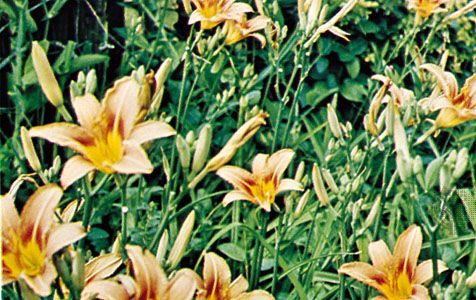
A daylily is any plant belonging to the genus Hemerocallis within the family Hemerocallidaceae. These perennial herbs are native to regions spanning from central Europe to eastern Asia.1
Key characteristics of the daylily include:
- Flowers: They feature long-stalked clusters of funnel- or bell-shaped blooms that range in color from yellow to red. Each flower is short-lived, which is the origin of the name “day” lily.12
- Structure: The plants possess fleshy roots and narrow, sword-shaped leaves that grow in groups at the base.1
- Fruit: The fruit of the plant is a capsule.1
Many species are widely cultivated as ornamentals, and some are valued for their edible flowers and buds. Specific varieties, such as the yellow daylily (Hemerocallis lilioasphodelus), are known for their fragrant, lemon-yellow blossoms.123
How do daylilies differ from true lilies?
While daylilies are often confused with true lilies due to their similar appearance, they are distinct plants belonging to different botanical families and genera.
Botanical Differences
- Genus and Family: True lilies belong to the genus Lilium within the family Liliaceae. In contrast, daylilies belong to the genus Hemerocallis, which is classified under the family Hemerocallidaceae.12
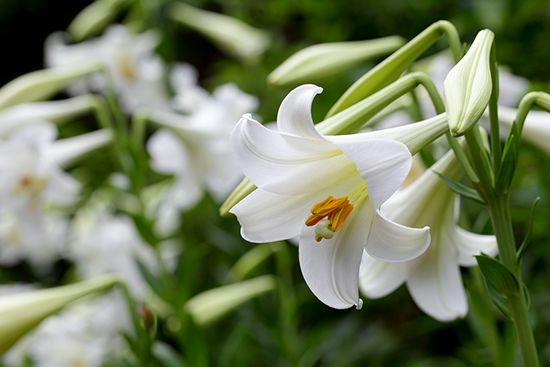
- Growth Structures: True lilies grow from scaly bulbs consisting of a basal stem and overlapping scales. Daylilies do not grow from bulbs; instead, they possess fleshy roots and narrow, sword-shaped leaves that grow in clusters at the base of the plant.412
- Flower Longevity: The name “daylily” refers to the fact that each individual flower is short-lived, typically lasting only a single day. True lilies do not share this specific limitation.21
While both are popular ornamental plants, these structural and taxonomic differences clearly separate the two groups.21
Why are daylily flowers only open for one day?
The name “daylily” is derived directly from the short-lived nature of its flowers, which typically bloom and wither within a single day.12
While the specific physiological mechanisms governing the rapid senescence of these individual blossoms are part of the broader, complex process of plant development, the term serves as a descriptive identifier for the genus Hemerocallis. In botany, the death of plant parts is often a “programmed” and adaptive process, allowing the plant to manage its resources and energy efficiently. For the daylily, this cycle of rapid blooming is a characteristic trait of the species, distinguishing it from other plants that maintain their flowers for longer durations.126
Which parts of the daylily plant are edible?
Some species of the daylily (Hemerocallis) are cultivated specifically for their edible flowers and buds.1
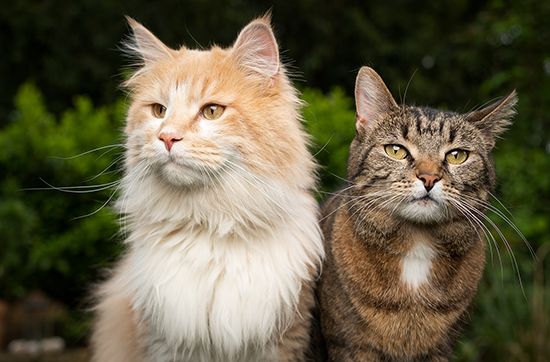
However, it is important to exercise caution regarding plant consumption. While certain daylily parts are considered edible for humans, it is well-documented that daylilies are toxic to cats, as ingestion can lead to acute kidney failure. Because individual sensitivities and potential health risks can vary, it is essential to verify the specific species and ensure proper identification before considering any plant for consumption.7
Sources
- daylily — Encyclopædia Britannica
- daylily — Merriam-Webster
- yellow daylily — Merriam-Webster
- Liliales — Encyclopædia Britannica
- lily — Encyclopædia Britannica
- Plant development - Senescence in plants — Encyclopædia Britannica
- Why Are Lilies Toxic to Cats? — Encyclopædia Britannica
Published on · 2 min read