Dinosaur Provincial Park
Dinosaur Provincial Park in Alberta, Canada, is globally renowned for its exceptional paleontological diversity, having yielded remains from every dinosaur…
How does Dinosaur Provincial Park compare to other famous dinosaur fossil sites around the world?
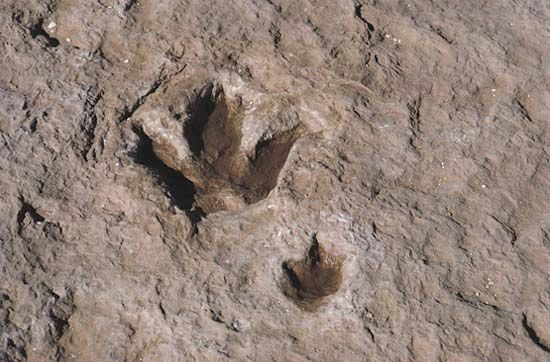
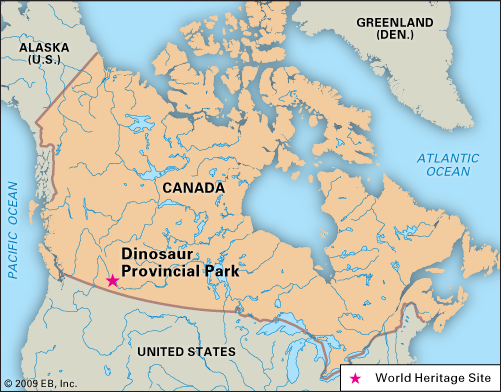
Dinosaur Provincial Park in Alberta, Canada, is globally renowned for its exceptional paleontological diversity, having yielded remains from every dinosaur family known to have existed during the Late Cretaceous Epoch. While many sites focus on specific species, this park is distinguished by its vast collection of over 35 dinosaur species, alongside diverse fossilized remains of fish, reptiles, and amphibians.1
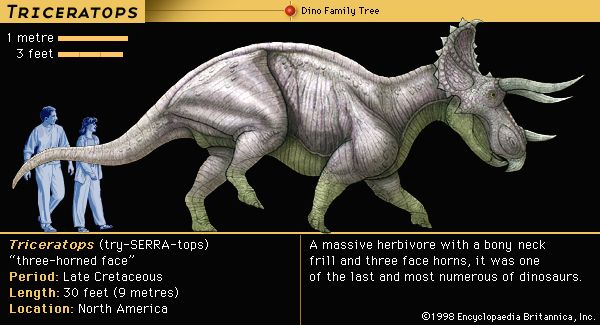
In contrast, the Hell Creek Formation in the United States is particularly famous for its late-stage Cretaceous deposits, which provide critical evidence regarding the end of the dinosaur era. Unlike the broader diversity found in the park’s river delta sediments, Hell Creek is a primary source for iconic specimens like Tyrannosaurus rex and Triceratops. Furthermore, Hell Creek outcrops are scientifically significant for straddling the Cretaceous-Paleogene boundary, offering evidence of the asteroid impact that led to mass extinction.23
While Dinosaur Provincial Park excels in the sheer volume and variety of its fossil record, Hell Creek is uniquely positioned to study the final moments of the Cretaceous period.12
How has Dinosaur Provincial Park contributed to our understanding of Late Cretaceous ecosystems?
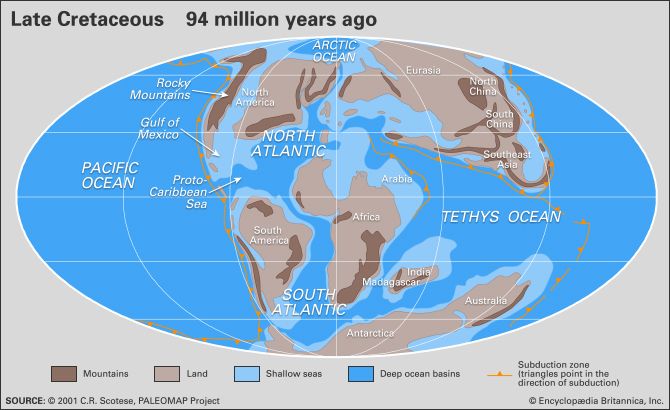
Dinosaur Provincial Park has significantly advanced our understanding of Late Cretaceous ecosystems by providing a remarkably comprehensive record of life from approximately 100 to 65 million years ago.1
Insights into Ancient Environments
The park’s fossil beds reveal that the region was once a lush, swampy river delta characterized by dense subtropical forests of palms and giant redwoods. This environment supported a vast array of biodiversity, as evidenced by the discovery of remains from every dinosaur family known to have existed during the Late Cretaceous.1
Biodiversity and Ecosystem Complexity
The site’s contribution extends beyond dinosaurs to the broader ecosystem. Paleontologists have identified:
- Diverse Fauna: Fossilized remains of fish, reptiles, amphibians, crocodilians, pterosaurs, and birds.1
- Multigeneric Deposits: Significant finds, such as a deposit containing over 1,500 bones, allow researchers to reconstruct complex community structures and interactions within these ancient habitats.1
Ongoing excavations and analysis at the Royal Tyrrell Museum continue to refine our knowledge of these prehistoric landscapes.1
What role does Dinosaur Provincial Park play in ongoing dinosaur research?
Dinosaur Provincial Park remains a cornerstone of modern paleontology, serving as an active site for ongoing discovery and scientific analysis.
Research Infrastructure
The park’s research efforts are closely integrated with the Royal Tyrrell Museum, which operates a dedicated field station within the park boundaries. This facility is essential for the immediate storage and cataloging of specimens recovered during active excavations, ensuring that new finds are preserved and documented for further study.1
Scientific Contributions
Ongoing research at the park continues to yield significant discoveries that refine our understanding of the Late Cretaceous. Recent decades have seen the recovery of diverse specimens, including:
- Taxonomic Diversity: Excavations have uncovered remains from every dinosaur family known to have existed during the Late Cretaceous, including ceratopsians, ankylosaurs, and tyrannosaurs.1
- Community Reconstruction: The discovery of massive, multigeneric bonebeds—some containing over 1,500 individual elements—allows researchers to analyze ancient community structures and the interactions between dinosaurs, crocodilians, pterosaurs, and other prehistoric fauna.1
How does the landscape of Dinosaur Provincial Park reflect its prehistoric past?
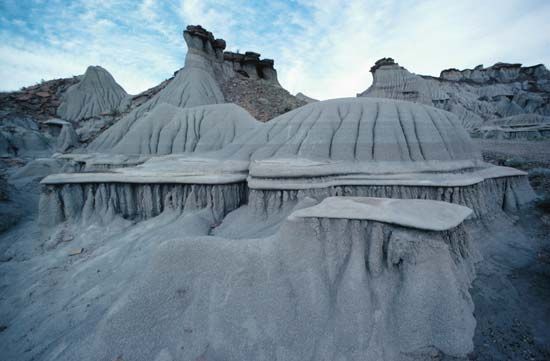
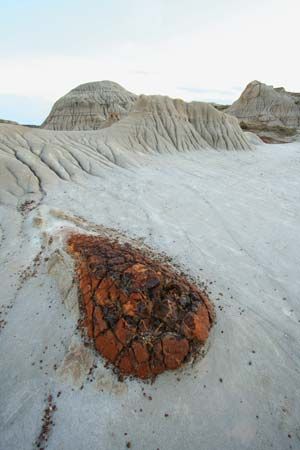
The landscape of Dinosaur Provincial Park serves as a direct window into its prehistoric past, primarily through the geological processes that transformed an ancient environment into the modern badlands of Alberta, Canada.1
During the Late Cretaceous, the region was a lush, swampy river delta dominated by subtropical forests of palms and giant redwoods. Over millions of years, the river deposited layers of silt that eventually hardened into sedimentary rock. These layers acted as a natural archive, entombing the remains of diverse dinosaurs, fish, reptiles, and amphibians.1
The dramatic topography seen today was carved by glaciers, which eroded the surface to expose these rich fossil beds. This exposure allows paleontologists to access a unique record of life from 100 to 65 million years ago. Today, the park is intersected by the Red Deer River, maintaining an endangered riverine ecosystem that contrasts with the arid, fossil-bearing badlands.1
Sources
- Dinosaur Provincial Park — Encyclopædia Britannica
- Hell Creek Formation — Encyclopædia Britannica
- tyrannosaur - Hell Creek discoveries — Encyclopædia Britannica
- Jurassic Period - Paleogeography — Encyclopædia Britannica
Published on · 3 min read