Dire Wolf
The dire wolf (Aenocyon dirus) was a distinct canine that evolved independently from the lineage of the modern gray wolf. While they shared a wolflike…
What are the key physical characteristics of the dire wolf compared to modern wolves?
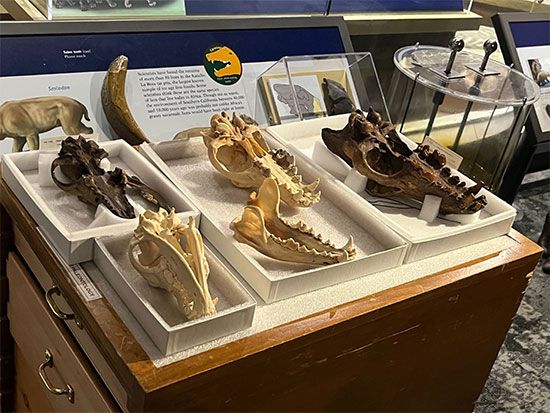
The dire wolf (Aenocyon dirus) was a distinct canine that evolved independently from the lineage of the modern gray wolf. While they shared a wolflike appearance, the dire wolf possessed several unique physical characteristics:
- Size: The dire wolf was significantly larger than the modern gray wolf, standing approximately 96.5 cm (38 inches) tall at the shoulder and reaching lengths of up to 178 cm (70 inches). They typically weighed between 59 and 68 kg (130–150 pounds).
- Skull and Brain: They featured a more massive skull compared to modern wolves, yet they possessed a smaller brain.
- Dentition and Limbs: Dire wolves had larger teeth than modern wolves, though they were characterized by relatively light limbs.
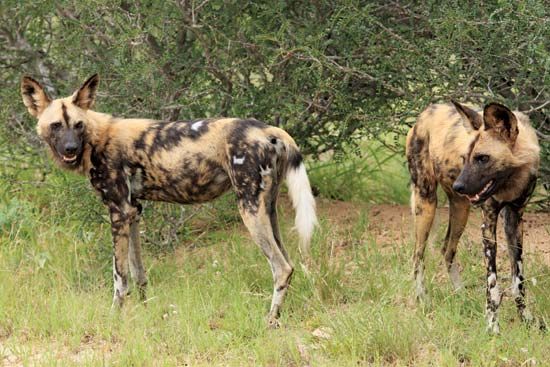
Genetic research indicates that dire wolves are more closely related to jackals, African wild dogs, and dholes than to the gray wolves found in the Americas today.12
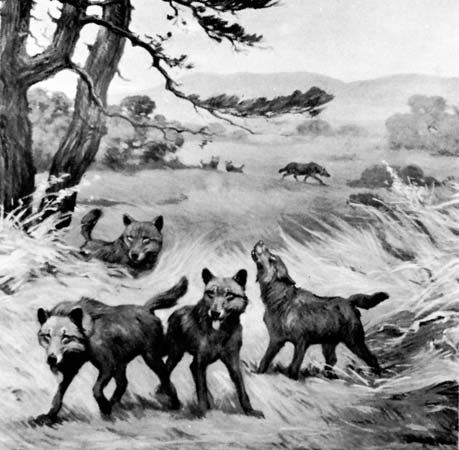
How does the size of a dire wolf compare to other prehistoric and modern canids?
The dire wolf (Aenocyon dirus) was the largest known wolf, described as being half again as large as the modern gray wolf. While modern wolves vary in size, the dire wolf consistently reached a shoulder height of 96.5 cm (38 inches) and lengths of up to 178 cm (70 inches), with a body mass typically between 59 and 68 kg (130–150 pounds).23
In comparison to other canids:
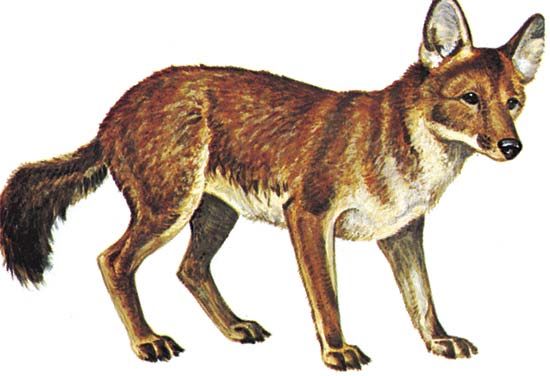
- Modern Wolves: The red wolf, which is significantly smaller, reaches lengths of 105–125 cm (excluding the tail) and weighs between 20 and 37 kg. The eastern wolf is more comparable to the gray wolf in size, whereas the Ethiopian wolf is smaller and physically resembles a coyote.2
- Evolutionary Context: Unlike modern Canis species, the dire wolf evolved independently. While it was larger and more robust than its modern counterparts, it possessed relatively light limbs and a smaller brain despite its more massive skull.3
How has the dire wolf been portrayed in popular culture, and how accurate are these depictions?
The dire wolf (Aenocyon dirus) is frequently featured in popular culture, most notably as the loyal companions of the Stark family in the fantasy series Game of Thrones.1
While these depictions capture the animal’s status as a formidable, wolflike creature, they often take significant creative liberties regarding its size. In the series, dire wolves are portrayed as massive, nearly supernatural beasts. In reality, while these Pleistocene-era animals were indeed heftier and more robust than modern gray wolves, they were not nearly as large as the versions shown on screen.1
Known primarily from fossil deposits such as California’s La Brea Tar Pits, the dire wolf was a distinct species that evolved independently of modern wolves. Their portrayal as giant, oversized wolves in fiction serves the narrative needs of fantasy storytelling rather than reflecting the biological reality of this extinct predator.51
When did the dire wolf live, and what was its habitat like?
The dire wolf (Aenocyon dirus) lived during the Pleistocene Epoch, a period spanning from approximately 2.6 million to 11,700 years ago.12
Regarding its habitat, the dire wolf was a widespread predator that inhabited diverse environments across North America and parts of western South America, with fossil remains discovered in regions ranging from Florida and the Mississippi River valley to the Valley of Mexico, Bolivia, Peru, and Venezuela. During the Pleistocene, many environments were characterized by the expansion of vast dry steppe grasslands, which supported large populations of herbivores like bison and horses, providing ample prey for predators. The species is famously associated with the La Brea Tar Pits in southern California, where it is the most common mammalian species preserved in the fossil record.16
Sources
- dire wolf — Merriam-Webster
- dire wolf — Encyclopædia Britannica
- wolf - Other wolves — Encyclopædia Britannica
- dog - Ancestry — Encyclopædia Britannica
- Behind the Scenes: 9 Historical Inspirations for Game of Thrones — Encyclopædia Britannica
- Quaternary - Fauna and flora — Encyclopædia Britannica
Published on · 3 min read