Douglas Fir
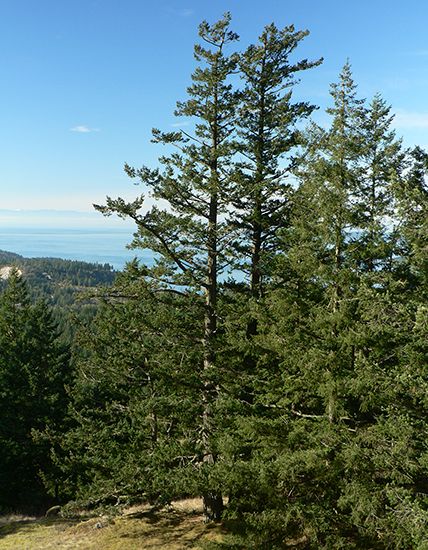
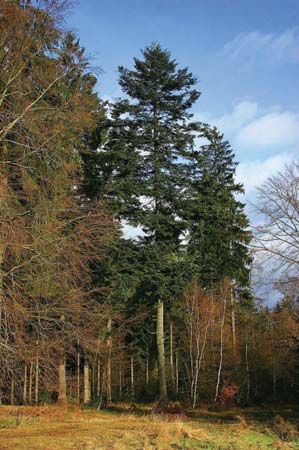
Douglas fir trees (genus Pseudotsuga) are native to two primary regions: western North America and eastern Asia.
Where are Douglas fir trees typically found in their natural habitat?
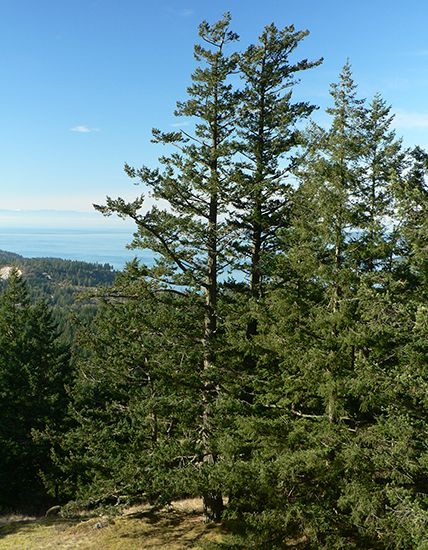
Douglas fir trees (genus Pseudotsuga) are native to two primary regions: western North America and eastern Asia.1
Their specific distribution varies by species:
- North America: The common Douglas fir (Pseudotsuga menziesii) is widely distributed along the Pacific coast, while the bigcone Douglas fir (P. macrocarpa) is also found in the region. The Mexican Douglas fir (P. lindleyana) is native to the Sierra Madre mountain ranges of Mexico.1
- Asia: The Chinese Douglas fir (P. sinensis) is found in China, Taiwan, and parts of Vietnam. The Japanese Douglas fir (P. japonica) is endemic to the islands of Honshu and Shikoku.1
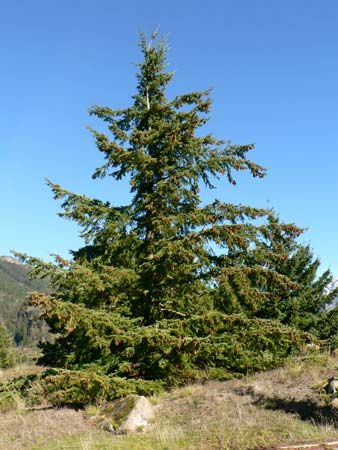
How tall can Douglas fir trees grow, and what is their average lifespan?
Douglas fir trees (Pseudotsuga menziesii) are among the tallest trees in North America, capable of reaching heights in excess of 90 meters (295 feet). While they can grow to these impressive heights and develop diameters of more than 4 meters (13 feet), many contemporary specimens are smaller due to historical logging practices.1
Regarding their lifespan, the provided search results do not specify an average age for Douglas fir trees.
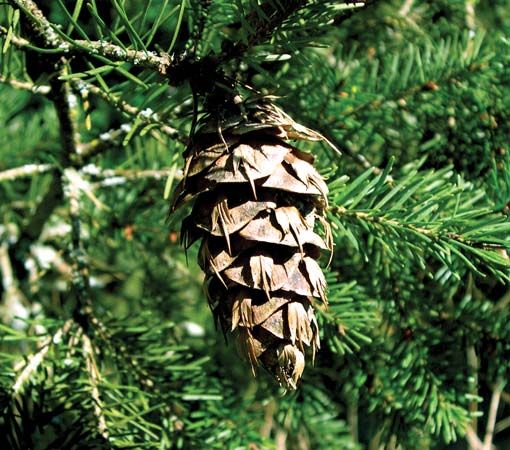
What are the economic and ecological importance of Douglas fir trees?
Douglas fir trees (Pseudotsuga) provide significant economic and ecological value, serving as a cornerstone for both industry and natural landscapes.
Economic Importance
- Timber Production: Douglas firs are among the most important timber trees in North America and are also commercially significant in Asia. Their strong wood is highly valued for use in construction, aircraft, and boat building.1
- Ornamental and Holiday Use: These trees are widely cultivated as ornamentals and are a popular choice for Christmas trees throughout North America.1
- Reforestation: Due to their rapid growth and high-quality timber, they are frequently utilized in reforestation efforts along the Pacific coast to ensure sustainable forest management.1
Ecological Importance
- Erosion Control: Certain species, such as the bigcone Douglas fir (P. macrocarpa), play a vital role in stabilizing soil and preventing erosion in rugged terrain.1
- Habitat Provision: While industrial logging practices like clear-cutting have historically caused habitat loss, healthy Douglas fir forests provide essential cover and resources for various wildlife species.4
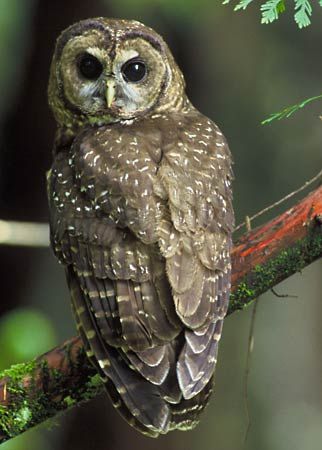
- Biodiversity: Protecting these forests is critical for maintaining ecosystems, as evidenced by the ongoing efforts to balance timber interests with the preservation of old-growth habitats for species like the spotted owl.4
What is the scientific name of the Douglas fir, and why was it named this way?
The scientific name of the Douglas fir is Pseudotsuga menziesii.6
The genus name, Pseudotsuga, is derived from New Latin, combining the prefix pseud- (meaning false) and Tsuga (the genus of hemlock trees). This reflects the tree’s superficial resemblance to hemlocks, despite being a distinct genus within the Pinaceae family.2
The common name, “Douglas fir,” honors David Douglas, a Scottish botanist who traveled extensively in North America and is credited with collecting and documenting many plant species, including this iconic tree.67
Sources
- Douglas fir — Encyclopædia Britannica
- Douglas fir — Merriam-Webster
- Tree - Tree height growth — Encyclopædia Britannica
- fir — Encyclopædia Britannica
- Pacific mountain system - Environmental concerns — Encyclopædia Britannica
- Pseudotsuga — Merriam-Webster
- David Douglas: Top Questions — Encyclopædia Britannica
Published on · 2 min read