Plum-yew
The plum-yew refers to any of approximately seven species of small coniferous trees and shrubs belonging to the genus Cephalotaxus and the family…
What is Plum-yew?
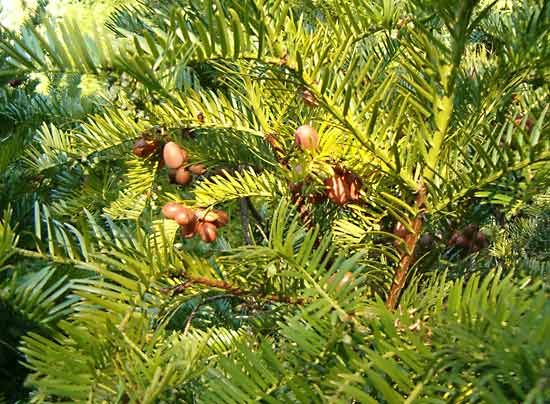
The plum-yew refers to any of approximately seven species of small coniferous trees and shrubs belonging to the genus Cephalotaxus and the family Cephalotaxaceae. Native to central and eastern Asia, these evergreen plants are frequently utilized as ornamentals in temperate regions.12
The plants are characterized by their large seeds, each of which is enclosed in a fleshy aril that gives the fruit a plumlike appearance. Notable species include:12
- Japanese plum-yew (C. harringtonia): Also known as cow’s tail pine, this species is found only in cultivation and can reach heights of about 3 metres (10 feet).1
- Chinese plum-yew (C. fortunei): This species can grow up to 12 metres (40 feet) in the wild, though it typically reaches about 6 metres (20 feet) when cultivated.1
How does a plum-yew differ from a true yew tree?
While plum-yews and true yews are both coniferous plants with needlelike leaves, they belong to distinct botanical families and exhibit key structural differences in their reproductive systems.23
- Family Classification: Plum-yews belong to the family Cephalotaxaceae, which is sometimes grouped within the Taxaceae (the yew family) by some botanists. However, they are distinct enough that they are often classified as a separate, small family native to East Asia.24
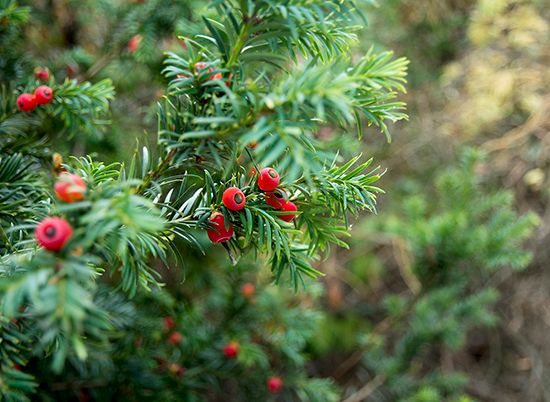
- Seed Structure: The most notable difference lies in their seeds. In plum-yews (Cephalotaxus), the seed cones are highly modified with opposite pairs of bracts, and only one ovule typically develops into a large seed enclosed in a fleshy coat, creating a plumlike appearance. In contrast, true yews (Taxus) produce solitary seeds at the end of a dwarf shoot, which are surrounded by a fleshy, berrylike aril that aids in animal dispersal.243
- Toxicity: A significant distinction is that the seeds of the true yew (Taxus) are highly toxic, a characteristic not typically highlighted in the same manner for the ornamental plum-yew.23
What are some other examples of coniferous plants?
Conifers are a diverse group of gymnosperms comprising approximately 630 living species across seven families. While many are known for their needlelike or scalelike evergreen leaves, they exhibit significant variety in form and habitat.673
Common Coniferous Examples
Beyond the plum-yew and true yew, many familiar trees belong to this group:
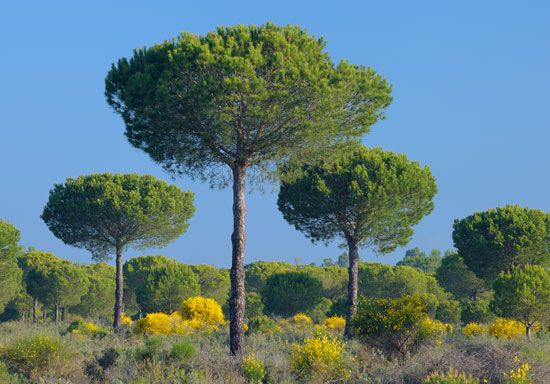
- Pinaceae: This is the largest and most widespread family in the Northern Hemisphere. It includes pines, spruces, firs, larches, hemlocks, and Douglas firs3.7
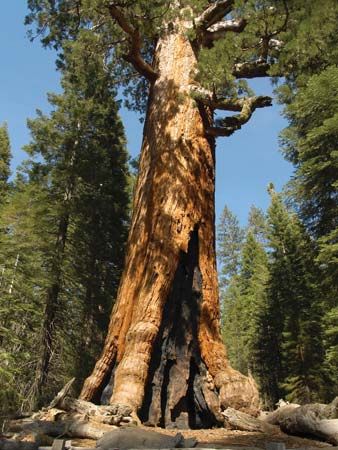
- Cupressaceae: This family includes the cypress, juniper, arborvitae, and the massive redwoods and giant sequoias.867
- Araucariaceae: Primarily found in the Southern Hemisphere, this family includes the dammars and various species of Araucaria.69
- Podocarpaceae: A large family of nearly 200 species, including the yellowwood, often found in southern temperate regions.69
These plants range from the world’s smallest shrubs to the tallest and most massive living organisms, such as the coast redwood.37
Why are some plants classified as ornamentals?
Plants are classified as ornamentals primarily because they are cultivated for their aesthetic beauty and decorative value rather than for utilitarian purposes like food production. These plants are selected and arranged in landscapes and gardens to enhance the visual appeal of an environment, serving as key design elements that provide color, form, texture, and fragrance.131415
The classification encompasses a wide variety of plant types, including:
- Trees and Shrubs: Often used for shade, structural design, or as focal points in a landscape.1516
- Herbaceous Perennials: Grown for their flowers or used as ground covers.17
- Floriculture Crops: Including flowers and pot plants produced for their beauty, often in greenhouses.18
- Foliage Plants: Houseplants valued for their attractive, patterned, or colorful leaves.19
Beyond simple decoration, ornamental plants are also manipulated as functional materials in landscape architecture to control erosion, provide protection from wind and sunlight, and create a sense of harmony within a space. The practice of ornamental horticulture involves the specialized growing, marketing, and design of these plants to satisfy the human desire to shape environments into attractive displays.151820
Sources
- plum-yew — Encyclopædia Britannica
- plum-yew — Merriam-Webster
- conifer - Annotated classification — Encyclopædia Britannica
- plum-fruited yew — Merriam-Webster
- Taxaceae — Encyclopædia Britannica
- Did you know? — Merriam-Webster
- Cupressaceae — Encyclopædia Britannica
- Coniferous forest — Encyclopædia Britannica
- conifer - Distribution and abundance — Encyclopædia Britannica
- spruce — Encyclopædia Britannica
- pine - Physical description and natural history — Encyclopædia Britannica
- gymnosperm - Pinophyta — Encyclopædia Britannica
- garden and landscape design - Plants — Encyclopædia Britannica
- ornamental — Merriam-Webster
- horticulture - Trees — Encyclopædia Britannica
- horticulture - Ornamental horticulture — Encyclopædia Britannica
- gardening - The nature of gardening — Encyclopædia Britannica
- horticulture - Shrubs — Encyclopædia Britannica
- horticulture - Herbaceous perennials — Encyclopædia Britannica
- houseplant - Foliage plants — Encyclopædia Britannica
- ornamental — Merriam-Webster
- Floral decoration — Encyclopædia Britannica
Published on · 3 min read