Downs
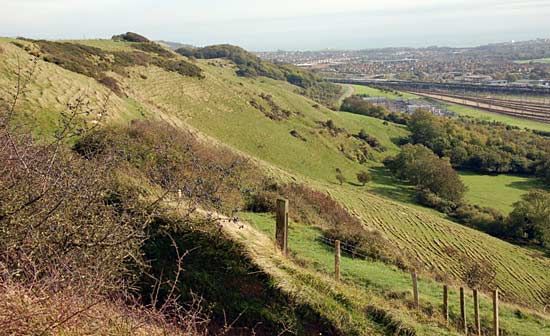
The term "Downs" refers to rounded, grass-covered hills in southern England typically composed of chalk. The name is derived from the Old English word dūn…
What are the Downs and where are they located in England?
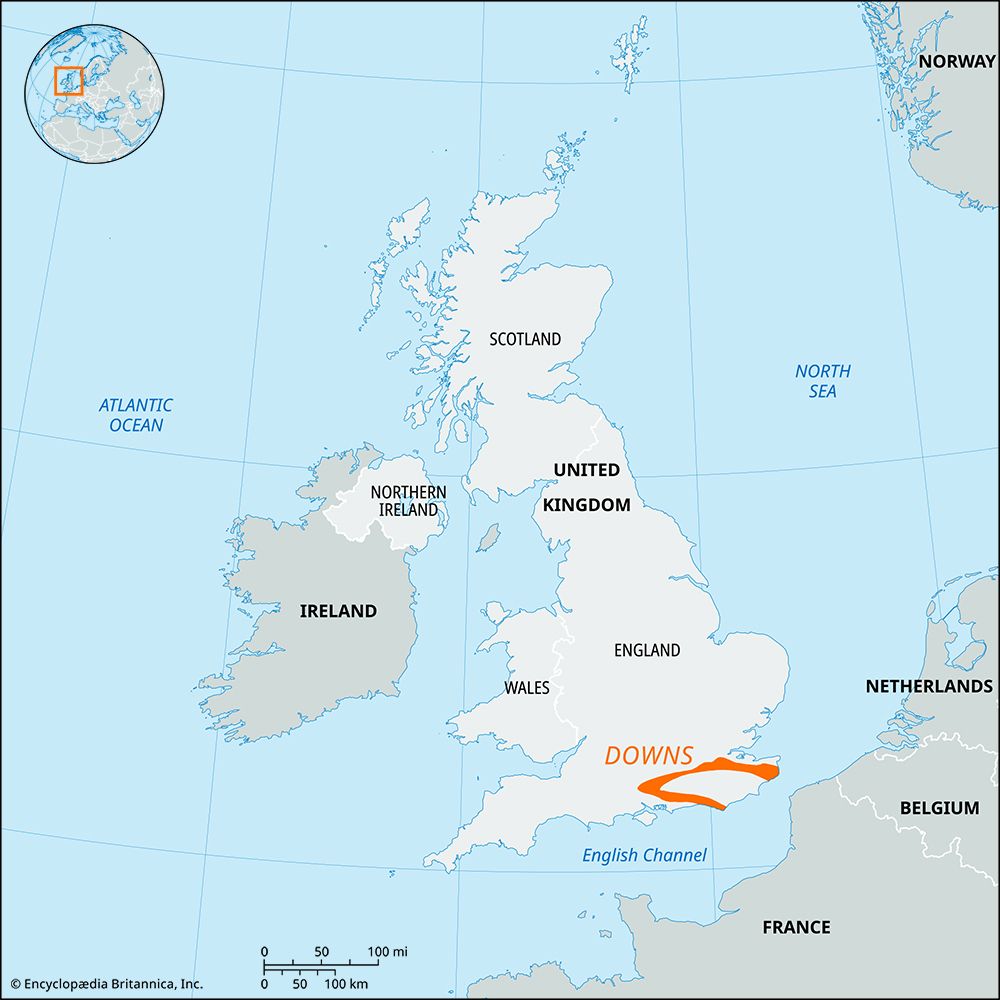
The term “Downs” refers to rounded, grass-covered hills in southern England typically composed of chalk. The name is derived from the Old English word dūn, meaning “hill”.1
Geographically, the main areas of these chalk hills are located in Berkshire, Wiltshire, and northern Hampshire, with spurs extending eastward into West Sussex, Surrey, and Kent. Specifically, the North and South Downs form the bounding chalk escarpments that enclose the Weald of Kent and Sussex. Additionally, “The Downs” can refer to a roadstead in the English Channel along the east coast of Kent, which is protected by the Goodwin Sands.123
The Downs are historically significant for their evidence of prehistoric occupation, including megalithic monuments like Stonehenge and Avebury, as well as various barrows and earthworks.1
What is the significance of the Downs in English history and culture?
The Downs hold profound historical and cultural significance in England, primarily due to their role as a center for human activity since prehistoric times. Because the chalk hills provided dry, elevated ground, they were the preferred location for early agricultural communities from the Neolithic era through the Roman period.14
The landscape is defined by extensive evidence of this long-standing occupation, including:
- Prehistoric Monuments: The region is home to iconic megalithic sites such as Stonehenge and Avebury, which are linked by ancient ridge and scarp-foot trackways.1
- Defensive Structures: The hills feature numerous earthworks and ring encampments, such as Maiden Castle, as well as Iron Age hill forts like those found at Cissbury and the Caburn Mount.14
- Funerary Sites: The landscape is dotted with barrows, or burial mounds, which serve as enduring markers of ancient societies.14
- Cultural Landmarks: The turf is famously marked by figures of horses cut into the hillsides, which remain distinct features of the English countryside.1
Historically, the Downs also supported sheep grazing, which shaped the unique ecology of the region, though modern mechanical plowing has significantly altered much of the traditional landscape.1
What types of flora and fauna can be found in the Downs?
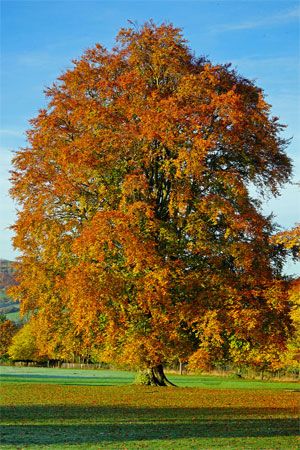
The flora and fauna of the Downs are shaped by the region’s characteristic chalk soil and historical land-use patterns. Because the porous nature of the chalk makes the summits dry, tree growth is generally slow. While the area was once more heavily forested, remaining woodlands consist primarily of beech, yew, juniper, and box.1
In areas where the land remains uncultivated, the summits feature a springy turf dominated by fescue grass. This unique habitat supports a specialized range of life, including:
- Flora: The turf is known for hosting a variety of distinctive vegetation, most notably rare orchids.1
- Fauna: The ecosystem provides a habitat for various snails and insects.1
Historically, the presence of these species was maintained by sheep grazing, which prevented the regeneration of larger trees and shrubs. However, the expansion of mechanical plowing has led to the conversion of much of this traditional turf into cultivated crops or manured leas, significantly impacting the natural biodiversity of the region.1
What notable archaeological sites can be found in the Downs?
The Downs are rich in archaeological evidence of prehistoric occupation, reflecting their long history as a center for human activity. Notable sites include:
- Stonehenge: A world-renowned prehistoric monument located in Wiltshire, often associated with the surrounding landscape of ridge and scarp-foot trackways.1
- Avebury: One of the largest and most significant Neolithic sites in Europe, featuring a massive circular bank, stone circles, and the nearby Kennet Avenue.15
- Silbury Hill: Located near Avebury, this is the largest prehistoric mound in Europe, standing 130 feet (40 meters) high.5
- Maiden Castle: A prominent example of the defensive ring encampments found throughout the region.1
- Barrows and Earthworks: The landscape is dotted with numerous burial mounds (barrows) and various defensive earthworks that mark the presence of ancient societies.16
- Hill Figures: The turf of the Downs is famously marked by figures of horses cut into the hillsides.1
Sources
- Downs — Encyclopædia Britannica
- Downs — Merriam-Webster
- United Kingdom - The lowland zone — Encyclopædia Britannica
- Sussex — Encyclopædia Britannica
- Avebury — Encyclopædia Britannica
- Burial mound — Encyclopædia Britannica
Published on · 3 min read