Dragon’s-mouth
The term "dragon’s-mouth" most commonly refers to the dragon’s-mouth orchid (Arethusa bulbosa), a terrestrial orchid native to North American bogs. It is the…
What is Dragon’s-mouth?
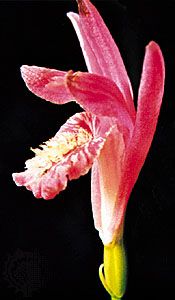
The term “dragon’s-mouth” most commonly refers to the dragon’s-mouth orchid (Arethusa bulbosa), a terrestrial orchid native to North American bogs. It is the sole species within the genus Arethusa1.1
This perennial plant features a small corm and a single grasslike leaf. It is characterized by a solitary, reddish-pink flower that stands approximately 30 cm (12 inches) tall. The flower’s distinctive appearance includes three erect sepals and a downward-curving, purplish-blotched lip adorned with yellowish, purple-tipped hairs, all sheltered by an arching hood. Additionally, the term is sometimes used to refer to the snapdragon.12
What makes a bog a unique environment for plants?
A bog is a unique wetland ecosystem defined by its waterlogged, nutrient-poor, and highly acidic conditions. These environments create significant challenges for plant life, leading to a specialized flora adapted to survive where others cannot.345
Key Environmental Characteristics
- Acidity and Nutrients: Typical bogs are often fed solely by rainwater, resulting in a very low mineral content and high acidity (pH often below 5). Sphagnum mosses play a critical role here; they absorb minerals and release hydrogen ions, further increasing the acidity of the surrounding water.463
- Anoxic Soil: The underlying peat is characterized by an absence of free oxygen, which inhibits normal decomposition and creates an environment where many standard plants struggle to thrive.3
Specialized Plant Adaptations
Because the soil lacks essential nutrients like nitrogen, many bog plants have evolved remarkable strategies:
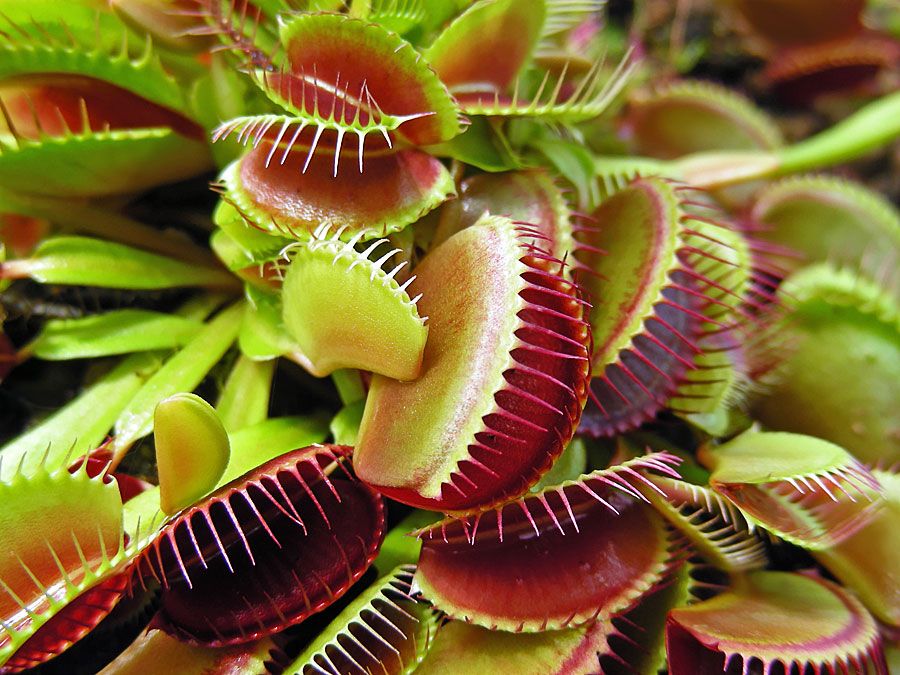
- Carnivory: Insectivorous plants, such as sundews and pitcher plants, trap and digest insects to obtain nutrients that their roots cannot find in the poor soil.35
- Structural Adaptations: In tropical bogs, trees may develop stilt roots or pneumatophores to transport oxygen to roots submerged in anoxic zones.6
How do orchids attract pollinators to their flowers?
Orchids have evolved a remarkable array of strategies to attract pollinators, ranging from offering rewards to sophisticated forms of deception.
Reward-Based Attraction
Many orchids attract insects by providing nectar, which serves as a food source. These flowers typically feature bright colors, agreeable odors, and a labellum (lip) that acts as a landing platform. The flower structure often guides the insect into a specific tunnel where it can access the nectary, ensuring that the insect brushes against the pollinia (pollen masses) during its visit.8910
Deceptive Strategies
A large number of orchids are nectarless and rely on deception to ensure pollination:
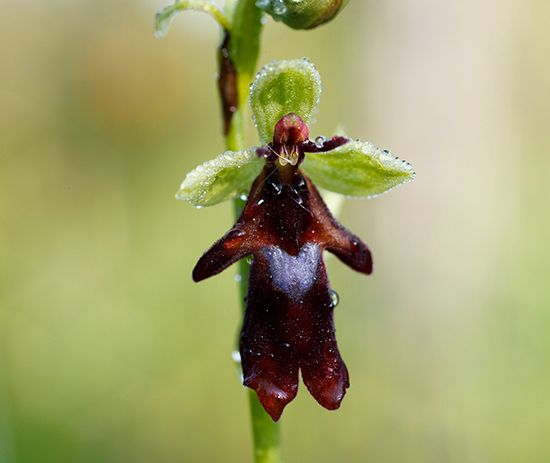
- Sexual Deception: Some orchids, such as those in the genus Ophrys, mimic the appearance, tactile feel, and pheromones of female insects. Male bees or wasps are lured to the flower, attempting to copulate with the labellum, which acts as a “dummy” female. This pseudocopulation results in the insect picking up or depositing pollinia.811
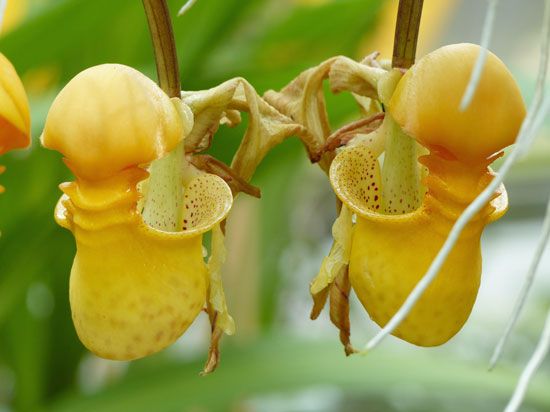
- Visual and Olfactory Mimicry: Orchids may simulate the presence of nectar or mimic other nectar-producing plants. Others, like the Coryanthes, use complex traps where insects are lured by scent, fall into a water-filled bucket, and are forced to exit through a tunnel that ensures pollen transfer.89
- Pseudopollen: Some species produce “pseudopollen,” a powdery, starch-filled substance that mimics real pollen to attract insects seeking protein-rich food.10
What are the differences between a corm and a bulb?
While corms and bulbs are both underground storage organs that help plants survive unfavorable conditions, they are botanically distinct structures.1213
Key Differences
- Internal Structure: A bulb is essentially a large, globe-shaped bud consisting of a short stem base surrounded by fleshy, overlapping leaves that store food. If you cut a bulb in half, these layers appear as visible rings. In contrast, a corm is a solid, fleshy, underground stem. It lacks the fleshy leaves found in bulbs and does not show rings when sliced.14131215
- Covering: Bulbs may be protected by a thin, papery tunic or consist of naked, overlapping scales. Corms are typically covered by a fibrous, membranous tunic.1312
- Examples: Common examples of true bulbs include onions, daffodils, and hyacinths. Corms are found in plants such as the crocus, gladiolus, and taro.141312
In horticulture, the term “bulb” is often used loosely to describe various storage organs, including corms and rhizomes, even though they are structurally different.13
Sources
- dragon’s-mouth — Encyclopædia Britannica
- dragon's-mouth — Merriam-Webster
- Bog - Flora — Encyclopædia Britannica
- Bog — Encyclopædia Britannica
- Bog - Tropical bogs — Encyclopædia Britannica
- Do Carnivorous Plants Eat Their Prey? — Encyclopædia Britannica
- Bog - Distribution — Encyclopædia Britannica
- mimicry - Orchids — Encyclopædia Britannica
- orchid - Bee pollination — Encyclopædia Britannica
- orchid - Pollination — Encyclopædia Britannica
- orchid - Sexual deception — Encyclopædia Britannica
- Corm — Encyclopædia Britannica
- horticulture - Vegetative structures — Encyclopædia Britannica
- corm — Merriam-Webster
- Bulb — Encyclopædia Britannica
Published on · 3 min read