Eelworm
It is important to clarify that the provided search results distinguish between "eelworms" (members of the phylum Nematoda) and "eels" (the fish). The…
How do scientists study and identify different species of eelworms?
It is important to clarify that the provided search results distinguish between “eelworms” (members of the phylum Nematoda) and “eels” (the fish). The methods for identifying these two groups are distinct.
While the provided information does not detail the specific diagnostic techniques used for eelworms, scientists generally classify nematodes based on their microscopic anatomy, embryological development, and molecular characteristics.1
In contrast, the identification of true eels relies on specific physical traits, including:
- The number and arrangement of myomeres and fin rays.2
- The relative positioning of anatomical features such as the mouth, nostrils, gill openings, and internal organs like the gallbladder and renal vessels.2
- The count and configuration of teeth, skull bones, and vertebrae.2
- Distinctive larval structures and pigmentation patterns.2
What types of plants are most commonly affected by eelworms?
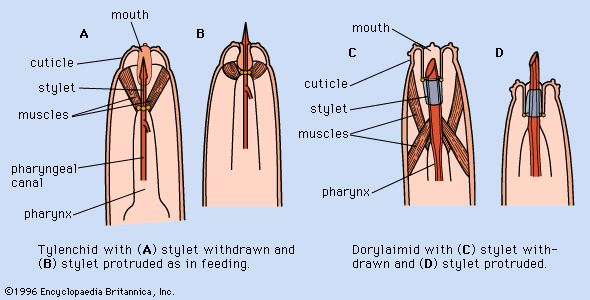
Eelworms, which are parasitic nematodes, affect a vast array of plant life, ranging from major agricultural crops to ornamental garden plants. Because they feed by piercing plant tissues with a needlelike stylet, they can weaken or destroy a wide variety of hosts.13
Commonly affected plants include:
- Vegetables and Field Crops: Potatoes, cotton, sugar beets, tomatoes, sweet potatoes, and various clovers and alfalfa.1
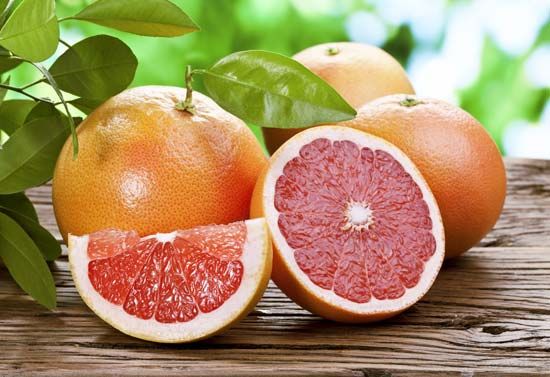
- Fruits and Trees: Strawberries, citrus trees, bananas, avocados, and raspberries.13
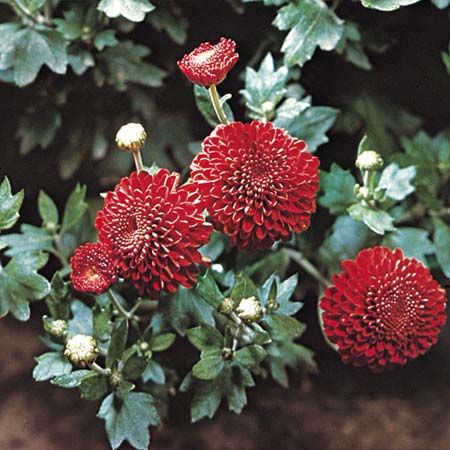
- Ornamentals and Garden Plants: Orchids, chrysanthemums, begonias, ferns, and various nursery stock.1
The impact of these parasites is significant; for instance, root-knot nematodes are known to attack more than 2,000 species of higher plants. Infestations often occur through contaminated nursery stock, soil, or equipment, leading to symptoms like stunted growth, yellowing, and root decay. While some plants are particularly susceptible, certain species like marigolds are known to be toxic to many plant-infecting nematodes.134
What is the life cycle of an eelworm?
The life cycle of an eelworm—a type of nematode—is generally classified as a direct (monoxenous) life cycle, meaning they do not require an intermediate host to complete their development.1
The typical life cycle follows these stages:
- Egg: The cycle begins with the egg, which is deposited in the soil or within plant tissues.4
- Larval Stages: Upon hatching, the nematode passes through four distinct larval stages before reaching maturity.4
- Adult: The adult stage is the reproductive phase. For plant-parasitic species, this stage is often spent either tunneling inside plant tissues (endoparasites) or feeding externally on the surface (ectoparasites).4
Most plant-parasitic species require between 20 and 60 days to complete a full generation from egg to adult, though the rate of development is heavily influenced by environmental factors such as soil temperature, moisture, and the availability of a suitable host plant. Because they are obligate parasites, they require living plant tissues to reproduce. While some species produce only one generation per year, they are capable of producing hundreds of offspring, allowing populations to build up significantly over time.4
How do eelworms damage plants, and what are the typical symptoms of an infestation?
Eelworms, which are parasitic nematodes, damage plants by using a hollow, needlelike mouthpart called a stylet to pierce plant cells. They inject enzymes that liquefy the cell contents, which the nematode then consumes. This feeding process, combined with toxic salivary excretions, causes cellular enlargement or degeneration and creates wounds that allow secondary infections from fungi or bacteria to enter the plant.14
Typical symptoms of an infestation include:
- Visible Growth Issues: Stunting, yellowing (chlorosis), and a general lack of vigor or slow decline.1
- Root Damage: Feeder root systems may appear stubby, excessively branched, discolored, or decayed. Some species, such as root-knot nematodes, cause conspicuous gall-like swellings or “knots” on roots.14
- Stress Responses: Plants often exhibit signs of drought stress, such as wilting on bright days, and show little response to water or fertilizer.1
- Dieback: Twigs and shoots may die back, and plants may show increased susceptibility to winterkill.14
Sources
- eelworm — Encyclopædia Britannica
- eel - Distinguishing taxonomic features — Encyclopædia Britannica
- Plant disease - Nematode diseases — Encyclopædia Britannica
- Plant disease - Mode of nematode attack — Encyclopædia Britannica
- Plant disease - Control measures — Encyclopædia Britannica
- eel - Natural history — Encyclopædia Britannica
- parasitic disease - Parasite life cycles — Encyclopædia Britannica
- eel - Form and function — Encyclopædia Britannica
- acarid - Reproduction and life cycle — Encyclopædia Britannica
Published on · 3 min read