Epilobium
Plants in the genus Epilobium are commonly referred to as willow herbs. While the term "fireweed" is often associated with this group, it is important to…
What are some common names for Epilobium plants?
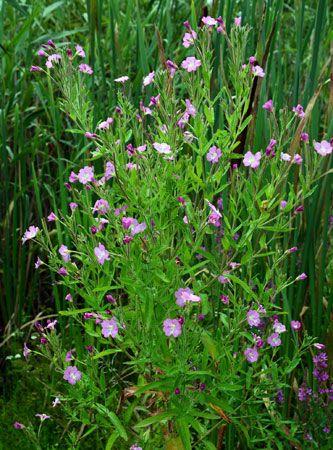
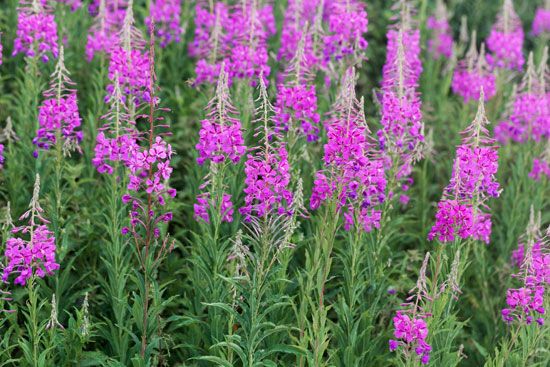
Plants in the genus Epilobium are commonly referred to as willow herbs. While the term “fireweed” is often associated with this group, it is important to note that the genus formerly included the common fireweed (Chamaenerion angustifolium), and its current taxonomy remains a subject of debate.123
Specific species within the genus carry distinct common names, including:
- Hairy willow herb or codling-and-cream (E. hirsutum): Known for its hairy leaves, stalks, and notched petals.34
- Rock fringe (E. obcordatum): A prostrate plant native to the western United States with rose-purple flowers.3
Where are Epilobium species typically found in nature?
Epilobium species are native to most temperate regions across the globe. These flowering plants occupy a variety of habitats depending on the specific species:1
- Waste Places: Some species, such as the hairy willow herb (E. hirsutum), are commonly found in disturbed or waste areas in eastern North America.1
- Alpine Environments: Certain species, including E. alsinifolium and E. fleischeri, are adapted to alpine conditions.1
- Woodlands: E. montanum is typically found in temperate-zone woods.1
- Rocky Regions: Species like the rock fringe (E. obcordatum) are native to the western United States, while others, such as E. nummularifolium, originate from New Zealand and are often noted for their matlike growth in rocky settings.1
Generally, the genus is widely distributed, thriving in diverse environments ranging from open landscapes to shaded woods.15
What are the main characteristics of plants in the Epilobium genus?
Plants in the Epilobium genus, commonly known as willow herbs, are a diverse group of approximately 200 species belonging to the evening primrose family (Onagraceae).61
Key characteristics of the genus include:
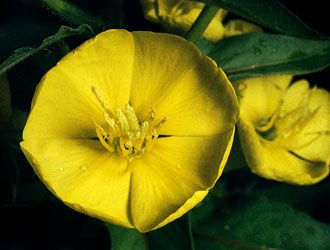
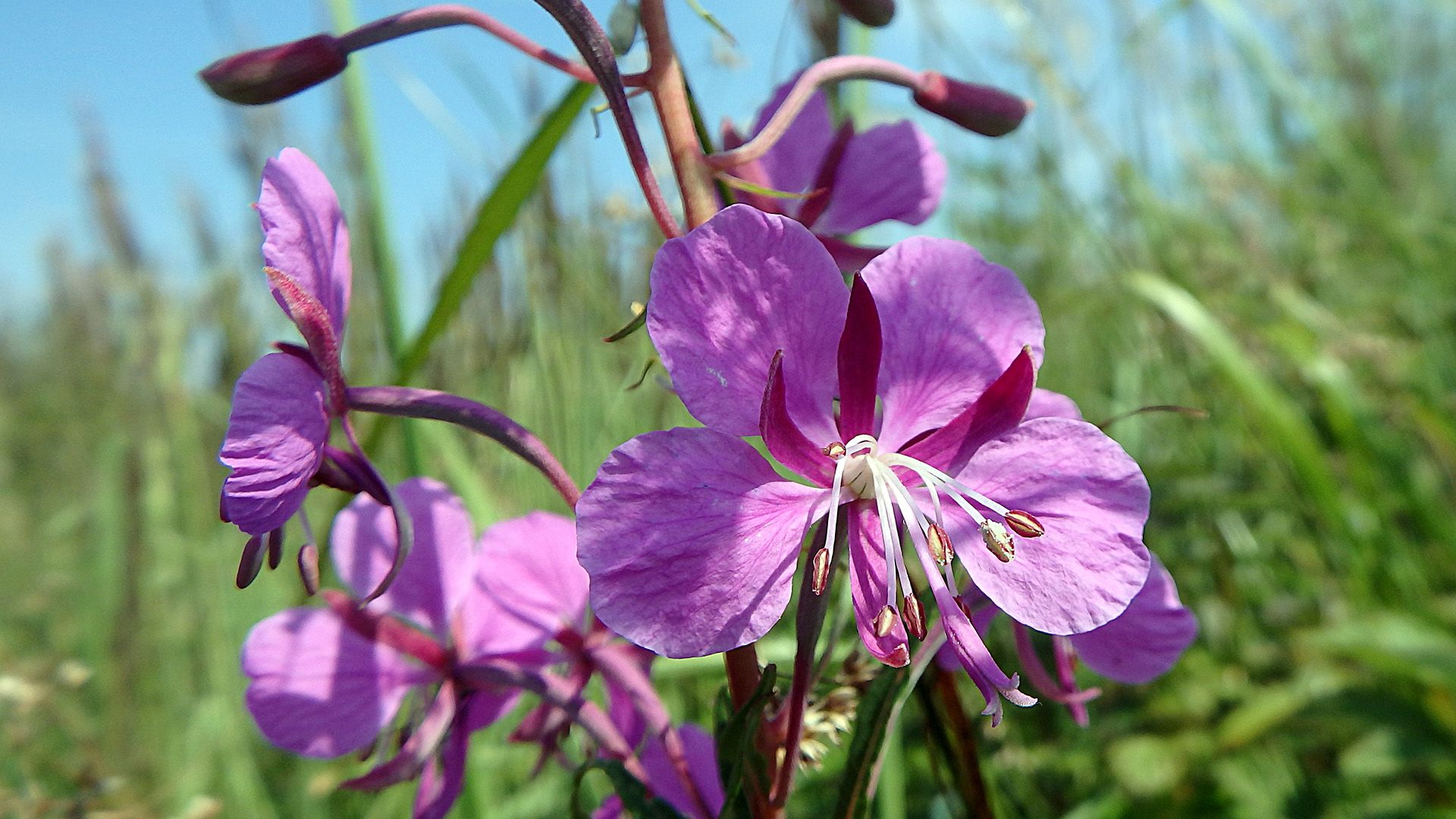
- Floral Structure: These herbs typically feature pink or, less commonly, yellow flowers. As members of the Onagraceae family, they generally follow a four-part floral plan, possessing four sepals and four petals.12
- Foliage: The plants are characterized by slender, lanceolate (lance-shaped) leaves. Some species, such as the hairy willow herb (E. hirsutum), are distinguished by notably hairy leaves and stalks.16
- Seeds: A defining feature of the genus is the presence of seeds equipped with a silky coma, which aids in their dispersal.1
- Growth Habits: The genus exhibits a wide range of forms, from prostrate or matlike plants—often utilized in rock gardens—to taller, upright species that can reach heights of up to 2 meters (6 feet).6
While some species are cultivated for their aesthetic appeal, they are known to spread rapidly and often require careful confinement in garden settings.6
How many species are included in the Epilobium genus?
The Epilobium genus consists of approximately 200 species of flowering plants.1
These plants are members of the evening primrose family (Onagraceae) and are native to most temperate regions of the world. While the taxonomy of the group remains subject to debate—for instance, the well-known fireweed was formerly classified within this genus—it continues to be recognized as a diverse group encompassing a wide range of growth habits, from prostrate forms to tall, upright species.1
Sources
- Epilobium — Encyclopædia Britannica
- epilobium — Merriam-Webster
- willowweed — Merriam-Webster
- hairy willow herb — Merriam-Webster
- willow herb — Merriam-Webster
- Onagraceae — Encyclopædia Britannica
- willow — Encyclopædia Britannica
- Lamiales - Order characteristics — Encyclopædia Britannica
Published on · 2 min read