Enchanter’s Nightshade
Enchanter’s nightshade refers to any herbaceous perennial plant belonging to the genus Circaea within the evening primrose family (Onagraceae). These plants…
What is enchanter’s nightshade?
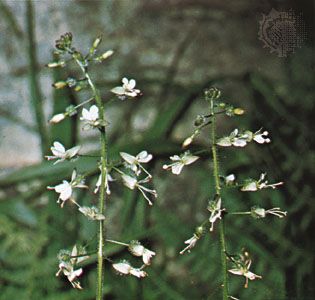
Enchanter’s nightshade refers to any herbaceous perennial plant belonging to the genus Circaea within the evening primrose family (Onagraceae). These plants are typically found in the damp woodlands of the Northern Hemisphere.12
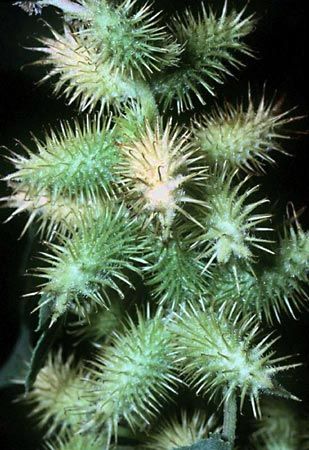
They are characterized by slender stems with opposite leaves and produce small, white, two-petaled flowers arranged in clusters. Their fruits are notable for having hooked bristles.12
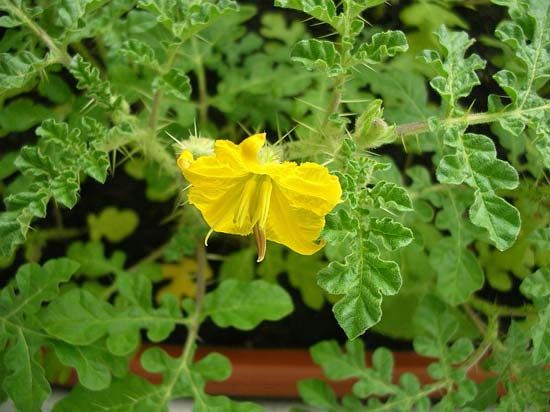
It is important to note that despite the name, enchanter’s nightshade is distinct from the true nightshade genus (Solanum), which includes various food crops and poisonous species. The name is a common moniker applied to Circaea species and should not be confused with toxic plants like belladonna or woody nightshade.3
Is enchanter’s nightshade poisonous like other nightshades?
It is a common misconception that enchanter’s nightshade is related to the toxic plants typically referred to as “nightshades.” In reality, enchanter’s nightshade (Circaea) belongs to the evening primrose family and is not a member of the Solanaceae family, which contains the poisonous species often associated with the name “nightshade,” such as belladonna or woody nightshade.13
While many plants in the Solanaceae family are known for their toxicity due to alkaloids like solanine, the name “enchanter’s nightshade” is simply a common moniker applied to the genus Circaea and does not imply that these plants share the poisonous properties of the true nightshades.35
Why is it called enchanter’s nightshade?
The name “enchanter’s nightshade” is derived from the scientific name of the plant genus, Circaea. This name is a direct reference to Circe, the powerful sorceress from Greek mythology who was famous for her extensive knowledge of herbs, potions, and her ability to perform magical transformations.264
In classical tradition, Circe used her botanical expertise to create elixirs that could change humans into animals, such as the companions of Odysseus whom she famously transformed into swine. Because the genus Circaea was associated with this legendary figure of magic and metamorphosis, it was given the name “enchanter’s nightshade” to reflect its connection to the sorceress.46
What are some other plants in the evening primrose family?
The Onagraceae family, commonly known as the evening primrose family, includes 18 genera and approximately 655 species. Beyond the genus Circaea (enchanter’s nightshade), several other notable plants belong to this group:
- Oenothera: A well-known genus comprising about 80 species, which has played a significant role in historical studies of genetics and evolution.8
- Epilobium: This genus includes the great willow herb, also known as fireweed (E. angustifolium), which is common in temperate zones.8
- Ludwigia: A large, day-blooming genus consisting of 75 species of water and marsh plants, ranging from annual herbs to large shrubs.8
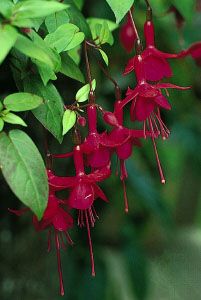
- Fuchsia: A popular genus of flowering plants often grown for their ornamental value.8
- Other genera: The family also includes Boisduvalia, Gaura (known for small, nutlike fruits), Gayophytum (thread-stemmed annuals with tiny flowers), and Hauya, a shrubby or treelike genus found in Mexico and Central America.8
Sources
- enchanter’s nightshade — Encyclopædia Britannica
- enchanter's nightshade — Merriam-Webster
- Nightshade — Encyclopædia Britannica
- bindweed nightshade — Merriam-Webster
- Solanales - Solanaceae — Encyclopædia Britannica
- Circaea — Merriam-Webster
- Circe — Encyclopædia Britannica
- Onagraceae — Encyclopædia Britannica
- Onagraceae — Merriam-Webster
Published on · 2 min read