Onagraceae
The provided search results do not contain information regarding the specific subfamilies or tribes within the Onagraceae family. While the literature…
What are the main subfamilies or tribes within Onagraceae, and how do they differ?
The provided search results do not contain information regarding the specific subfamilies or tribes within the Onagraceae family. While the literature identifies the family as the evening primrose family and notes its inclusion in the myrtle order, it does not detail the internal taxonomic classification or the specific differences between such groups.
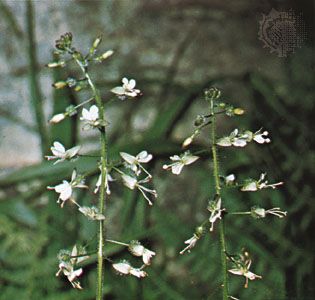
The family is characterized primarily by flowers with parts arranged in multiples of four and an inferior ovary, and it includes diverse genera such as Epilobium, Oenothera, Ludwigia, and Fuchsia, which range from herbaceous plants to woody shrubs.12
How do the flowers of Onagraceae plants typically look, and what makes them unique?
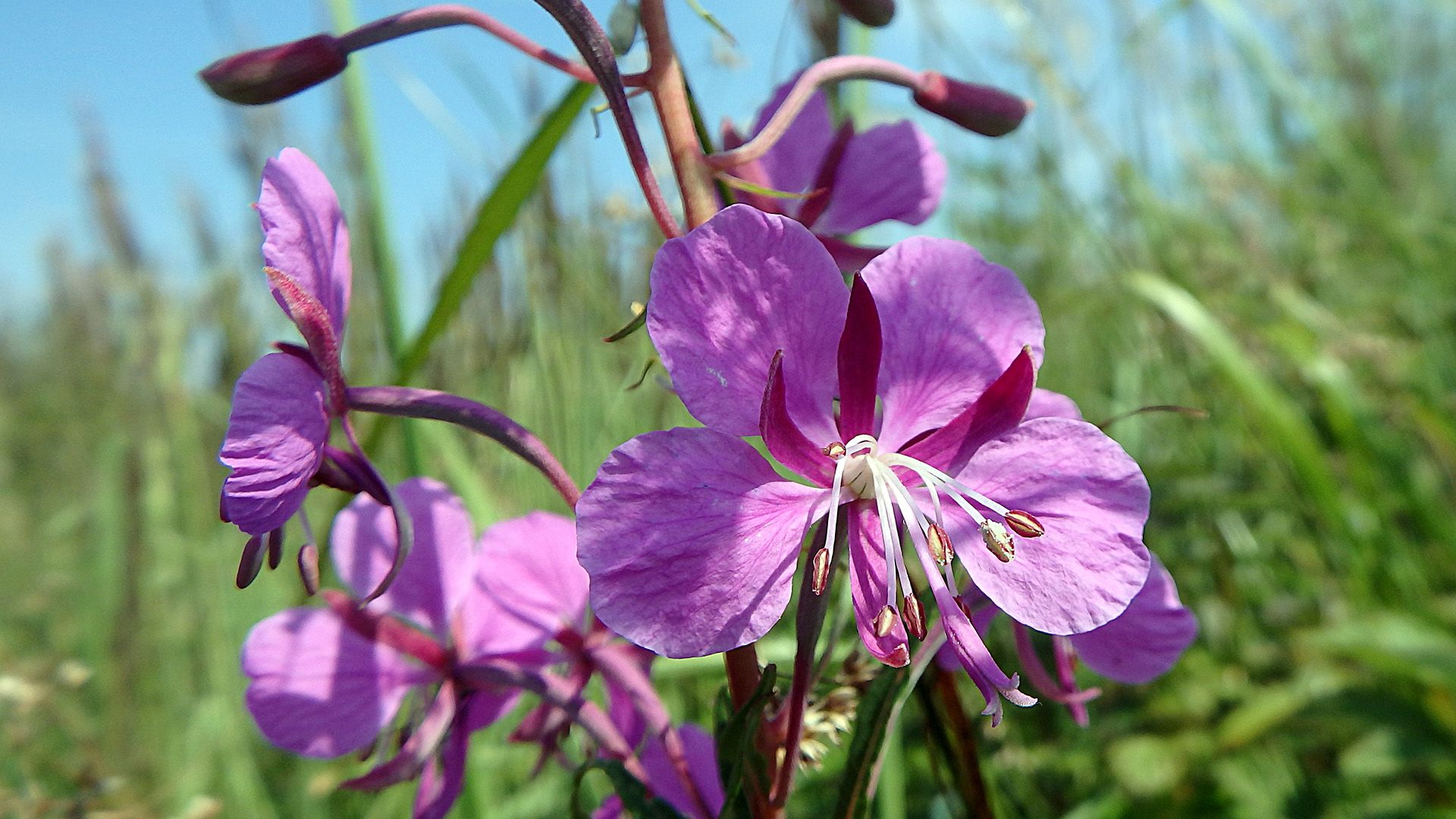
The flowers of plants in the Onagraceae family, commonly known as the evening primrose family, are primarily characterized by a floral structure based on the number four. Typically, these flowers possess four sepals, four petals, and either four or eight stamens.4
A defining feature of the family is the presence of an inferior ovary, which is positioned below the other floral parts. This arrangement is supported by a hypanthium—a floral tube formed from the fused bases of the sepals, petals, and stamens—which surrounds the ovary.41567
Beyond their general morphology, Onagraceae flowers are unique due to their distinct pollen characteristics. Unlike most flowering plants, where pollen grains separate shortly after development, Onagraceae pollen often forms tetrads (groups of four) and is frequently connected by viscid threads. These threads allow hundreds of pollen grains to be drawn out of the anther simultaneously when an insect visits the flower, a specialized adaptation for pollination.5
How have humans cultivated or used Onagraceae plants in gardens or landscaping?
Humans have long valued members of the Onagraceae family for their ornamental appeal in gardens and landscaping. While the family is scientifically significant—particularly the genus Oenothera for its role in genetics and evolutionary research—many species are cultivated specifically for their aesthetic qualities.1
Gardeners often incorporate these plants for their diverse growth habits and floral displays:
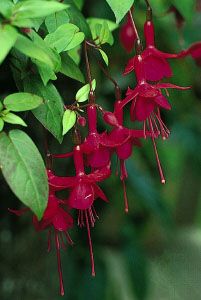
- Ornamental Varieties: The genus Fuchsia is widely prized in horticulture for its showy, pendulous flowers, making it a popular choice for hanging baskets and containers.
- Wildflower and Border Planting: Species such as the great willow herb (Epilobium angustifolium) are frequently utilized in naturalistic garden designs and meadow plantings for their vibrant spikes of color.1
- Specialized Environments: Ludwigia species, which range from herbs to shrubs, are often selected for water gardens and marshy landscape features due to their adaptation to wet conditions.1
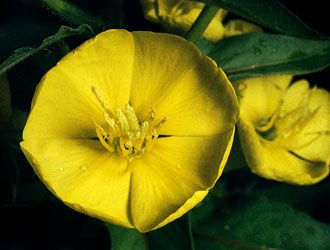
- Evening Interest: The namesake evening primrose (Oenothera) is favored in gardens for its unique habit of opening its yellow flowers in the evening, providing interest after sunset.10
How many genera and species are included in the Onagraceae family?
The Onagraceae family, commonly known as the evening primrose family, consists of 18 genera and 655 species.1
These plants are primarily concentrated in the temperate regions of the New World and belong to the myrtle order. While the family is characterized by a floral structure based on the number four, it includes a diverse range of plants, from the well-studied evening primrose (Oenothera) to various water and marsh-dwelling species like Ludwigia.1
We could dive deeper into the specific distribution of these genera across different global regions or explore the evolutionary significance of the family’s diversity.
Sources
- Onagraceae — Encyclopædia Britannica
- evening-primrose family — Merriam-Webster
- Myrtales - Family distributions and abundance — Encyclopædia Britannica
- Asparagales - Flowers — Encyclopædia Britannica
- Myrtales - Characteristic morphological features — Encyclopædia Britannica
- angiosperm - The gynoecium — Encyclopædia Britannica
- ovary — Encyclopædia Britannica
- Oenothera — Merriam-Webster
- hypanthium — Merriam-Webster
- evening primrose — Merriam-Webster
- Onagraceae — Merriam-Webster
Published on · 2 min read