Eudicotyledon
The classification of eudicotyledons has undergone a significant shift in botanical taxonomy, moving away from the traditional, broad distinction between…
How has the classification of eudicotyledons evolved in botanical taxonomy?
The classification of eudicotyledons has undergone a significant shift in botanical taxonomy, moving away from the traditional, broad distinction between monocotyledons and dicotyledons.12
Previously, flowering plants were divided into two main groups: monocots and dicots. However, modern research has revealed that the group formerly known as “typical dicots” actually evolved from within a larger lineage that includes both monocots and more basal dicot groups. Consequently, these “typical dicots” are now classified as eudicots.12
This taxonomic revision is supported by molecular evidence, which confirms that eudicots form a single, monophyletic evolutionary lineage. A key diagnostic feature of this group is their pollen, which is fundamentally tricolpate (possessing three furrows or pores), distinguishing them from the monosulcate pollen found in monocots and basal dicots. Within the eudicots, a major clade known as the core eudicots is recognized, characterized by highly stereotyped floral morphology and specific structural traits in their stamens and pollen.12
How do eudicotyledons differ from monocotyledons?
Eudicotyledons and monocotyledons are the two primary groups of flowering plants, distinguished by several fundamental structural and developmental differences:
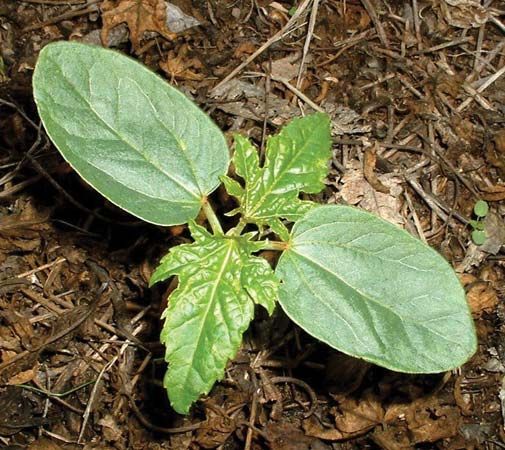
- Seed Structure: Monocots typically possess a single seed leaf (cotyledon) in the embryo, whereas eudicots ordinarily have two.6
- Pollen: Eudicots are characterized by pollen that is tricolpate (having three furrows or pores), while monocots feature pollen with a single aperture.61
- Vascular System: In eudicot stems, vascular bundles are arranged in a ring surrounding a central pith, allowing for secondary growth via a cambium. Monocots have scattered vascular bundles and lack a typical cambium, meaning they cannot undergo secondary thickening.67
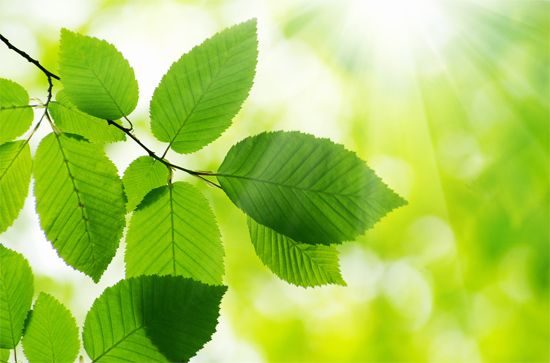
- Leaves and Roots: Eudicots typically exhibit net-veined leaves and often develop a taproot system. Monocots have parallel-veined leaves and a fibrous, adventitious root system.68
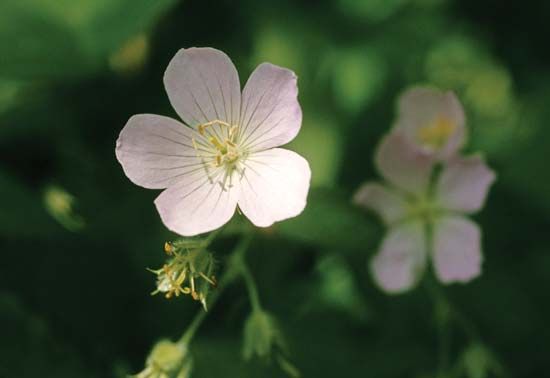
- Floral Parts: Monocot flowers usually have parts in multiples of three. Eudicot floral construction is often more stereotyped, frequently following a pattern of five sepals and five petals.61
What types of root systems are commonly found in eudicotyledon plants?
The most common root system found in eudicotyledon plants is the taproot system.910
In this system, the primary root—which emerges from the embryonic radicle upon germination—persists and grows vertically downward, exhibiting positive geotropism. This central taproot produces smaller lateral roots (secondary roots) that grow horizontally or diagonally, which in turn may produce even smaller tertiary roots. This branching structure significantly increases the surface area available for the absorption of water and minerals.91011
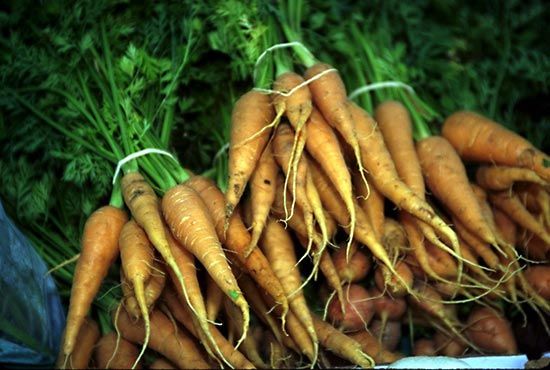
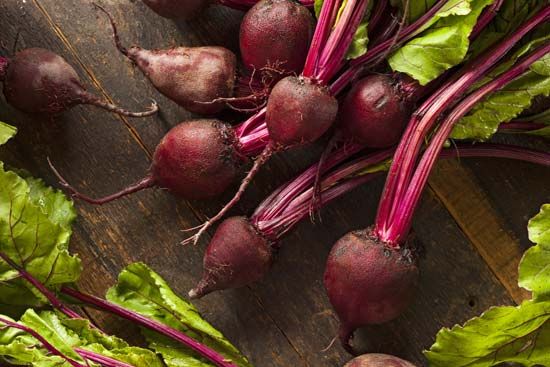
In some eudicots, the taproot is specialized for food storage, as seen in carrots and beets. While the taproot system is characteristic of eudicots, it is important to note that in some species, this system can be modified into a fibrous, or diffuse, system. In these cases, the initial secondary roots grow to equal or exceed the primary root in size, resulting in a shallower root network that lacks a single, well-defined taproot.91110
What are some common examples of eudicotyledon plants?
Eudicotyledons, or eudicots, comprise a vast and diverse group of angiosperms that includes approximately 175,000 species. They encompass the majority of common garden plants, shrubs, and trees.2
Common examples of eudicotyledon plants include:
- Roses: Members of the Rosaceae family, which are iconic examples of woody eudicots.2
- Geraniums: Popular flowering plants often found in gardens and containers.2
- Hollyhocks: Tall, broad-leafed flowering plants frequently grown for their ornamental value.2
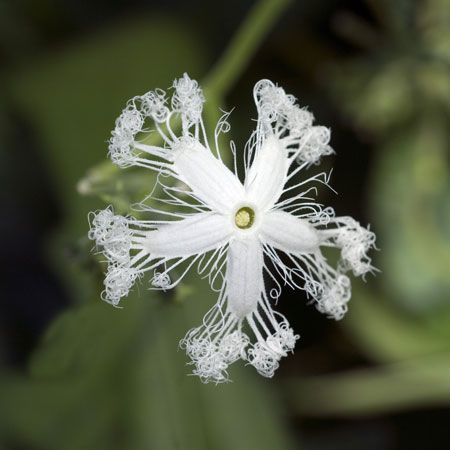
Beyond these specific examples, the group includes a wide array of other plants, ranging from small herbs to large trees. They are characterized by their tricolpate pollen and, in many cases, a floral structure based on multiples of four or five. Because they are so widespread, you likely encounter many other eudicots in daily life, such as various fruit-bearing trees, vegetables, and common wildflowers.21
Sources
- Angiosperm - Eudicots — Encyclopædia Britannica
- Eudicotyledon — Encyclopædia Britannica
- Asparagales - Organization and taxonomy — Encyclopædia Britannica
- magnoliid clade - Evolution — Encyclopædia Britannica
- Angiosperm - Paleobotany and evolution — Encyclopædia Britannica
- Monocotyledon — Encyclopædia Britannica
- Vascular system — Encyclopædia Britannica
- Angiosperm - Leaves — Encyclopædia Britannica
- Taproot — Encyclopædia Britannica
- Angiosperm - Root systems — Encyclopædia Britannica
- Root — Encyclopædia Britannica
Published on · 3 min read