Figwort
Figwort refers to any of approximately 200 species of coarse, often fetid herbs belonging to the genus Scrophularia and the figwort family…
What is Figwort?
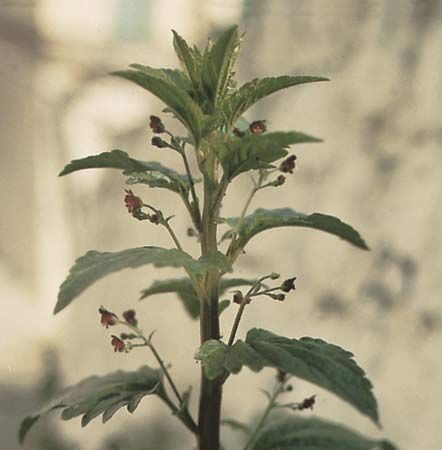
Figwort refers to any of approximately 200 species of coarse, often fetid herbs belonging to the genus Scrophularia and the figwort family (Scrophulariaceae). Native to open woodlands throughout the Northern Hemisphere, these plants are characterized by their tall stature and large, branched spikes of purple, greenish, or yellow flowers.12
The common name “figwort” originates from the plant’s historical use in treating hemorrhoids, a condition formerly referred to as “figs”. While the family contains no major crop plants, it is notable for various ornamental species. Specific examples include:13
- Maryland figwort (S. marilandica): Known as “carpenter’s square” due to its distinctive four-sided, grooved stems.1
- Scrophularia nodosa: A species native to Britain that has become widely naturalized in eastern North America.1
- Scrophularia auriculata: Often cultivated for ornamental purposes.1
What are some other plants in the Scrophulariaceae family?
The Scrophulariaceae family, commonly known as the figwort family, includes approximately 65 genera and 1,700 species. While the family does not contain major crop plants of significant economic importance, it is well-regarded for its ornamental garden species and includes some plants that are considered troublesome weeds.
Notable plants within this family include:
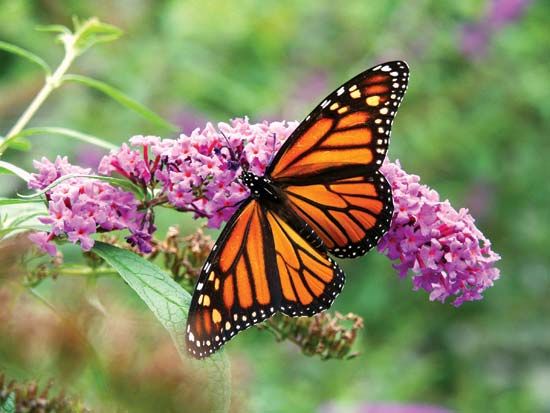
- Butterfly bush (Buddleja): A popular ornamental shrub known for attracting pollinators.
- Mullein (Verbascum): A genus that includes several species often categorized as weeds.
- Diascia: A genus frequently grown for its ornamental value.
- Nemesia: Another common ornamental genus valued in gardening.
- Figwort (Scrophularia): The type genus of the family, which includes species such as the Maryland figwort (S. marilandica) and S. nodosa.
These plants generally share characteristics such as bisexual flowers with tubular, bilaterally symmetrical corollas and four stamens.
Why are some figwort plants described as fetid?
Some figwort plants are described as fetid because they produce distinct, often unpleasant odors that are perceived by humans as heavy or offensive. In the botanical world, these scents are typically complex mixtures of volatile secondary compounds, such as terpenes and aromatic phenolic compounds, which serve specific ecological functions.67
While many flowers produce pleasant fragrances to attract pollinators, some plants have evolved to emit odors that mimic decaying organic matter. These “fetid” scents are specifically designed to attract insects—such as certain flies, moths, or beetles—that are naturally drawn to carrion or waste. By producing these species-specific chemical blends, the plants increase their chances of successful pollination by targeting pollinators that associate these particular odors with their preferred breeding or feeding sites.7
How do botanists classify plants based on their flower structure?
Botanists classify flowering plants by examining the structure, arrangement, and symmetry of their floral organs. These features are essential for identifying species and understanding evolutionary relationships.9
Floral Organs and Symmetry
A complete flower consists of four concentric whorls attached to a receptacle:
- Sepals (collectively the calyx): The outermost layer, usually green, protecting the bud.109
- Petals (collectively the corolla): Often brightly colored to attract pollinators9.11
- Stamens (collectively the androecium): The male reproductive structures.109
- Carpels (collectively the gynoecium): The female reproductive structures at the center.109
Flowers are classified by their symmetry:
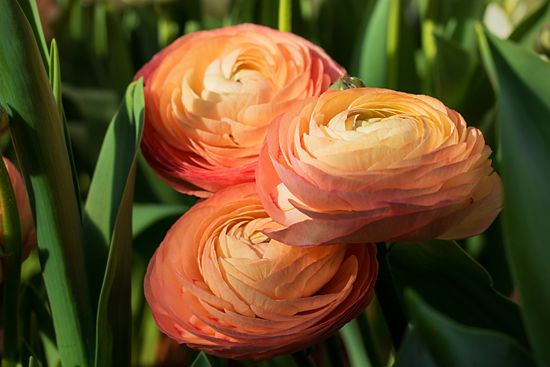
- Actinomorphic (Radially Symmetrical): These flowers can be divided into equal halves by multiple planes passing through the center, such as a petunia or buttercup.1211
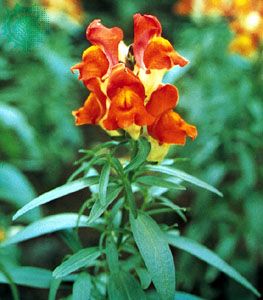
- Zygomorphic (Bilaterally Symmetrical): These can be divided into two equal halves by only a single plane, as seen in snapdragons or orchids.12
Numerical Patterns
Botanists also categorize flowers based on the number of parts per whorl. A flower is considered symmetrical if its parts are in equal numbers or multiples. For example, monocots typically exhibit trimerous symmetry (multiples of three), while dicots are most commonly pentamerous (multiples of five).1012
Sources
- Figwort — Encyclopædia Britannica
- Scrophulariaceae — Encyclopædia Britannica
- figwort — Merriam-Webster
- Scrophulariaceae — Merriam-Webster
- Saxifragales - Major families — Encyclopædia Britannica
- Chemoreception - Attraction — Encyclopædia Britannica
- fetid — Merriam-Webster
- fetid — Merriam-Webster
- Angiosperm - General features — Encyclopædia Britannica
- Calyx — Encyclopædia Britannica
- Angiosperm - Eudicots — Encyclopædia Britannica
- Symmetry — Encyclopædia Britannica
- Plant - Flowers — Encyclopædia Britannica
- Morphology - Body plan and symmetry — Encyclopædia Britannica
Published on · 3 min read