Scrophulariaceae
Scrophulariaceae, commonly known as the figwort family, is a diverse group of flowering plants within the order Lamiales. This family includes approximately…
What is Scrophulariaceae?
Scrophulariaceae, commonly known as the figwort family, is a diverse group of flowering plants within the order Lamiales. This family includes approximately 65 genera and 1,700 species distributed globally, consisting of herbs, shrubs, and occasionally trees.12
While the family does not include major agricultural crops, it is widely recognized for its ornamental value, featuring popular garden plants such as the butterfly bush, Diascia, and Nemesia. Conversely, some members, such as mullein (Verbascum), are considered invasive weeds.1
Botanically, the family is defined by bisexual flowers that typically possess tubular, bilaterally symmetrical (two-lipped) corollas. Most members have four stamens—often arranged in pairs of unequal length—and a superior, two-celled ovary.12
What are the main characteristics of the order Lamiales?
The order Lamiales, often called the mint order, is a diverse group of flowering plants comprising 24 families and over 23,000 species. While the order is heterogeneous, it is unified by several technical and molecular characteristics, such as storing carbohydrates as oligosaccharides rather than starch and the presence of specialized stomata on their leaves.34
Key Morphological Features
- Leaves and Stems: Plants typically feature opposite leaves and often possess glandular hairs.4
- Flowers: Many members exhibit bilaterally symmetric flowers with irregularly shaped, often two-lipped corollas. The androecium usually consists of fewer stamens than petals, with filaments frequently united with the petals (epipetaly).4
- Reproductive Structures: Most species have an ovary with two chambers (locules). While axile placentation is common, some families exhibit parietal or free-central placentation. Fruits are predominantly capsular.4
- Chemical Composition: Members frequently produce oxygenated flavones and other unique chemical compounds.4
How do botanists classify plants into different families?
Botanists classify plants into families using a phylogenetic approach, which organizes plants based on their evolutionary descent from a common ancestor. While early classification systems were artificial or based solely on overall physical similarities, modern taxonomy integrates diverse lines of evidence to determine these relationships.56
Primary Methods of Classification
- Molecular Evidence: The most transformative tool in modern botany is the analysis of DNA sequences from chloroplasts and nuclei. By measuring the degree of molecular similarity, scientists can quantitatively determine how closely related different plant groups are.768
- Morphological and Anatomical Studies: Botanists examine physical structures, including the form of flowers, leaves, and stems. Advanced tools like transmission electron microscopes allow for detailed study of these features, which remain foundational to classical taxonomy.576
- Phytochemistry: Chemotaxonomy involves analyzing the chemical composition of plants, such as metabolic products and flavonoids, to provide supplemental evidence for classificationoids](https://www.britannica.com/science/flavonoid), to provide supplemental evidence for classification.6
- Cytology and Embryology: Researchers study cell structures and developmental patterns to gain insights into how species arise and maintain their individuality.68
- Numerical Taxonomy: Using computer techniques, botanists apply quantitative methods to depict relationships between species graphically.6
These data are synthesized within systems like the Angiosperm Phylogeny Group (APG) system, which organizes families into orders to reflect evolutionary lineages. As new molecular and computational data become available, these classifications are periodically updated to ensure they accurately represent the plant kingdom’s diversity.79
What are some common garden plants found in the figwort family?
The Scrophulariaceae, commonly known as the figwort family, is a diverse group of flowering plants. While modern molecular studies have reclassified many plants formerly considered “scrophs” into other families like Plantaginaceae, the figwort family remains notable for several popular ornamental garden plants.14
Common garden plants found in the Scrophulariaceae family include:
- Butterfly bush (Buddleja): A well-known ornamental shrub valued for its attractive flowers.111
- Figwort (Scrophularia): The namesake genus, which includes species like S. chrysantha and S. auriculata, often grown in flower borders.12
- Mullein (Verbascum): While some species are considered weeds, others are cultivated in gardens.111
- Other Ornamentals: The family also includes genera such as Diascia and Nemesia.1
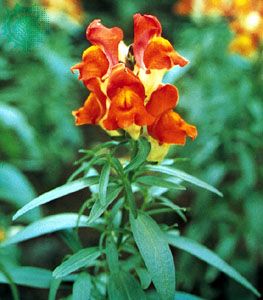
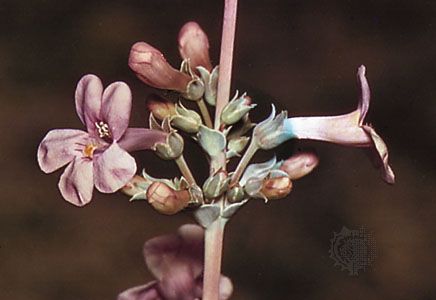
It is worth noting that many plants traditionally associated with this family, such as snapdragons, foxgloves, penstemon, speedwell, and toadflax, are now classified within the Plantaginaceae family due to advancements in phylogenetic classification.4
Sources
- Scrophulariaceae — Encyclopædia Britannica
- Scrophulariaceae — Merriam-Webster
- Lamiales — Encyclopædia Britannica
- Lamiales - Order characteristics — Encyclopædia Britannica
- Asparagales - Organization and taxonomy — Encyclopædia Britannica
- Plant - Critical appraisal — Encyclopædia Britannica
- sponge - Distinguishing taxonomic features — Encyclopædia Britannica
- Angiosperm - Annotated classification — Encyclopædia Britannica
- Botany - Taxonomic aspects — Encyclopædia Britannica
- phylogeny - Evidence for specific phylogenies — Encyclopædia Britannica
- Figwort — Encyclopædia Britannica
- figwort — Merriam-Webster
- Lamiales - Plantaginaceae — Encyclopædia Britannica
- Lamiales - Scrophulariaceae — Encyclopædia Britannica
Published on · 3 min read